
Plants
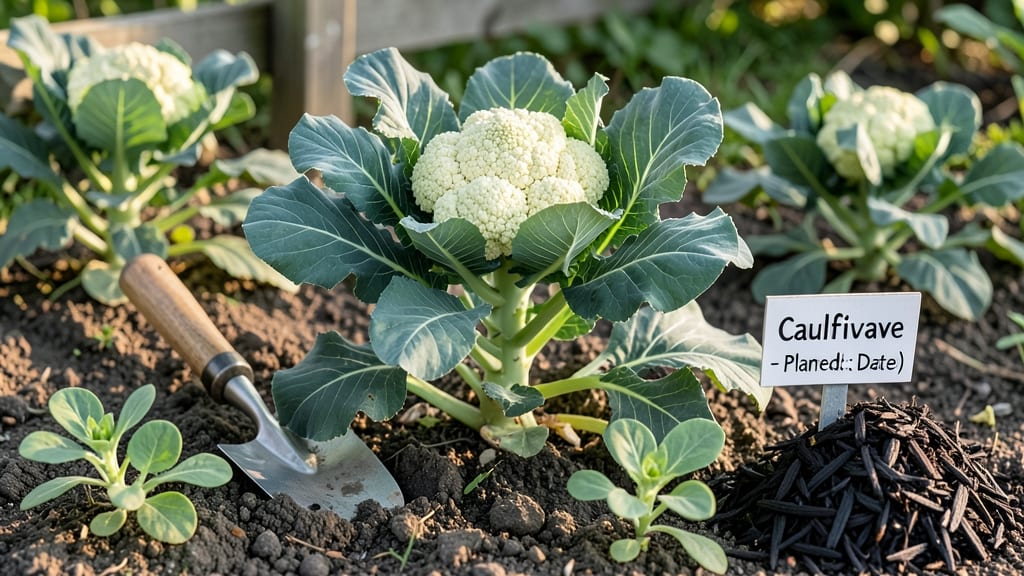
Timing your 🥬 cauliflower planting in Ohio isn’t just about the calendar—it’s about outsmarting frost, heat waves, and Ohio’s famously fickle weather. Plant too early, and a late frost will wipe out your seedlings; too late, and your heads won’t mature before the first chill of fall.
The key? Nailing those March-April and July-August windows when soil temps and daylight align just right for Zone 6a.
Most gardeners in Ohio swear by starting seeds indoors 4-6 weeks before the last frost (usually around April 15), then transplanting when nighttime temps stay above 40°F.
But here’s the trick: if you’re aiming for a fall harvest, late July or early August is your second chance—just be ready to shield young plants with row covers if a September frost sneaks in early.
Why does this matter? Because cauliflower is a diva in the garden—it needs cool weather to form tight, creamy heads, and Ohio’s summers can push it into bolting (flowering prematurely) if planted too early.
I’ve seen neighbors lose entire crops by ignoring these windows, but with the right timing, you’ll pull 60- to 100-day varieties like Snowball Y Improved right out of the ground in June or October.
Let’s break down the exact dates, soil prep hacks, and Ohio-specific tips to turn your 🥬 dreams into a harvest—no guesswork, just results. Ready to plant with confidence?
Ohio cauliflower planting dates by frost Zone (2024 guide)
Timing your cauliflower planting in Ohio is all about avoiding frost while maximizing the 165 frost-free days we typically enjoy. Ohio’s USDA Zones 5-6 mean you have two prime windows: early spring and late summer.
Plant too early, and frost will kill seedlings; too late, and your heads won’t mature before fall frosts. Let’s break down the exact dates and strategies for success.
For most of Ohio, the average last frost date falls between April 15 and May 1, depending on your region. Northern Ohio (like Toledo or Cleveland) tends to have later frosts, while southern Ohio (Columbus, Cincinnati) warms up faster.
The key is planting 4-6 weeks before your last frost for transplants or direct sowing when soil temps hit 45°F (7°C).
Here’s the critical 2024 planting timeline for Ohio’s two main growing seasons, including backup dates for late frosts:
| Planting Window | Transplant Dates (Head Start) | Direct Sow Dates | Harvest Window | Notes |
|---|---|---|---|---|
| Early Spring | March 15 – April 15 | April 1 – April 30 | June – July | Use row covers for late frosts; soil temp must be 45°F+. |
| Late Summer | July 15 – August 15 | August 1 – August 31 | October – November | Avoid planting after August 20; prioritize fast-maturing varieties. |
| Backup (Late Frost) | April 30 – May 15 | May 15 – June 1 | July – August | Use cold frames or black plastic mulch to warm soil faster. |
If you’re starting seedlings indoors, begin them 6-8 weeks before transplanting. For example, sow seeds indoors by February 15 for early spring transplants or June 15 for late summer. Use grow lights if natural light is limited—cauliflower needs 12-14 hours of light daily to prevent leggy seedlings.
Ohio’s soil temperature is the real game-changer. Cauliflower roots struggle in cold soil, so wait until temps hit 45°F (7°C) for direct sowing or 50°F (10°C) for transplants. Use a soil thermometer to check—planting too soon in cold soil leads to poor root growth and stunted heads.
Pro tip: Mix compost into your beds to warm soil faster in spring.
For late summer planting, focus on August 1–15 to ensure heads mature before the first frost (October 15). Avoid planting after August 20 unless you’re using fast-maturing varieties (like Snowball Y Improved, which matures in 60 days).
If you push it to September, use row covers to extend the season by 2-3 weeks.
Don’t forget: Ohio’s microclimates can shift frost dates by 1-2 weeks. Urban areas (like Columbus) often warm up faster than rural zones, while northern Ohio (e.g., Akron) may need to wait until May 1 for safety.
Check your local Cooperative Extension office for hyper-local advice—or use a frost calendar app like Old Farmer’s Almanac for real-time updates.
Once you’ve nailed the dates, protect your plants with floating row covers or lightweight fabric if late frosts threaten. Even a 24-hour cold snap can damage young plants. And remember: consistent moisture is key—cauliflower heads need 1-1.5 inches of water weekly to stay firm and crisp.
With these dates and tips, you’ll avoid the two biggest mistakes Ohio gardeners make: planting too early and losing seedlings to frost or planting too late and missing the harvest window.
Next up, we’ll dive into how Ohio’s regional microclimates can tweak these dates—and how to adapt for urban vs. rural growing conditions.
How Ohio’s microclimates affect cauliflower success (and how to adapt)
Ohio’s diverse microclimates—from the cool northern valleys to the warmer southern plains—can shift your cauliflower’s ideal planting window by 2-3 weeks. Urban areas like Columbus often experience heat islands, while rural zones in northwest Ohio stay cooler longer.
These variations mean your neighbor’s perfect timing might not work for you.
For example, northwest Ohio (Zone 5) typically enjoys a later last frost date (around May 1) compared to southwest Ohio (Zone 6), where frost may linger until April 15. This 15-day difference can mean the gap between success and failure for your cauliflower heads.
Urban gardeners in Cincinnati or Dayton may face hotter microclimates due to pavement and buildings, which can cause bolting (premature flowering) if planted too early. Meanwhile, rural areas near Lake Erie benefit from moderating lake breezes, extending the growing season by 10-14 days.
Ohio Microclimate Tips for Cauliflower
🌱 NORTHERN OHIO (Zones 5a-5b)
- ✅ Plant 4-6 weeks before May 1 (last frost)
- ✅ Use row covers for early starts
- ✅ Choose cool-tolerant varieties (e.g., Snowball Y)
🌡️ SOUTHERN OHIO (Zones 6a-6b)
- ✅ Plant 4-6 weeks before April 15 (earlier frost risk)
- ✅ Avoid summer planting (heat stress)
- ✅ Try late summer transplants (July-August)
🏙️ URBAN AREAS (Heat Islands)
- ⚠️ Bolting risk if planted too early
- ⚠️ Use shade cloth in peak summer
- ⚠️ Water deeply in containers
🌊 LAKE ERIE REGION
- ✅ Extend season by 2 weeks with lake breezes
- ✅ Direct sow in early April (soil warms faster)
- ✅ Frost protection only if below 28°F
To adapt, monitor your local frost dates using resources like the Old Farmer’s Almanac or your county extension office. For example, Lima (northwest) might safely transplant by April 10, while Athens (southeast) should wait until April 25.
If you’re in a warmer microclimate, opt for shade-tolerant varieties like Purple of Sicily or use lightweight row covers to prevent bolting. For cooler zones, prioritize early-maturing varieties (e.g., Snowball Improved) to beat the first frost.
Finally, test your soil pH—Ohio’s clay-heavy soils often need lime amendments (aim for pH 6.0-7.0) to prevent bitter-tasting heads. Adjust your planting timeline based on soil prep progress, too!