
Plants
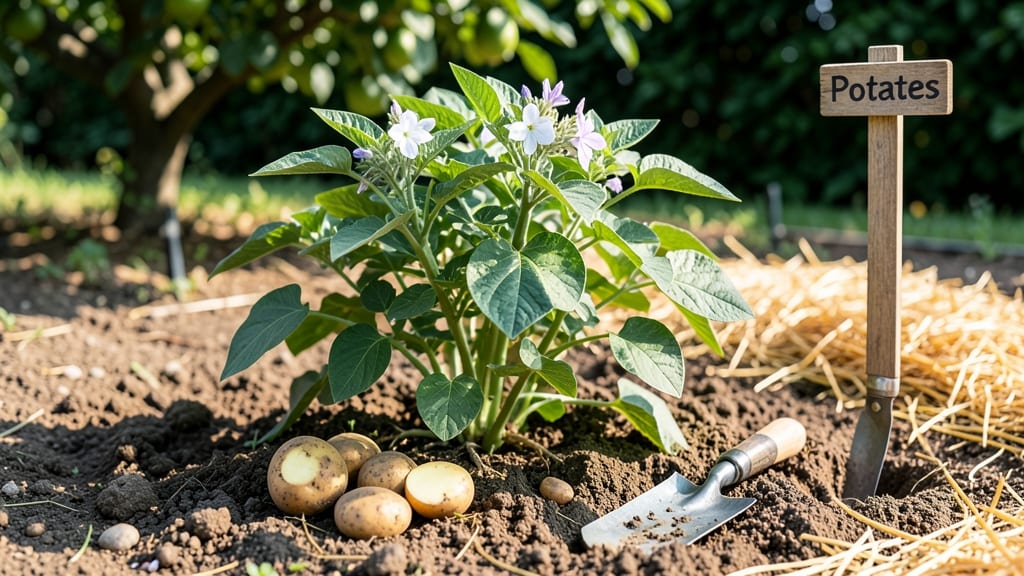
Planting potatoes in Zone 5 can feel like a high-stakes game of timing—get it wrong, and frost turns your 🥔 dreams into sad, mushy lumps.
But here’s the good news: with the right approach, you can beat the clock and grow a bumper crop, even when the ground is still cold.
The key isn’t just waiting for warm soil—it’s understanding chill-hour requirements and matching them to your last frost date. Some varieties thrive in early spring’s chill, while others need warmer temperatures to take off.
I’ll show you exactly when to plant for your specific microclimate, whether you’re in Chicago’s windy plains or the Pacific Northwest’s damp corners.
You’ll also learn how to prep your potatoes for success, from indoor starts to soil temperature tricks that keep your crop safe from late frosts. No more guessing—just a foolproof plan to turn your Zone 5 garden into a potato powerhouse by summer.
Ready to dig in? Let’s break down the best planting windows, variety choices, and care tips to ensure your harvest is the best it’s ever been.
Zone 5 potato planting timeline: frost dates vs chill-hour needs
Planting potatoes in Zone 5 requires precision—your last frost date (typically April 15–May 15) and chill-hour accumulation (hours below 45°F) dictate success. Early varieties like 'Yukon Gold' thrive with 300–500 chill hours, while late varieties like 'Russet Burbank' need 1,000+ hours.
Miss the window, and you risk stunted growth or frost damage.
Zone 5’s micro-climates add complexity. Cities like Chicago (cooler, wetter) may need 2–4 weeks earlier than drier regions like western Montana. Always check your local frost records—last year’s April 20 frost doesn’t guarantee this year’s date!
Here’s the golden rule: Plant 4–6 weeks before your last frost, but only when soil reaches 45°F (7°C). Cold soil slows sprouting, leaving plants vulnerable to late frosts. Use a soil thermometer to confirm—don’t guess!
Cold-hardy varieties like 'Red Pontiac' can handle light frosts after sprouting, but avoid planting when nighttime temps dip below 32°F. Early starts under row covers or in greenhouses buy you critical time for early-season harvests.
| Planting Window | Chill-Hour Need | Last Frost Buffer | Ideal Varieties |
|---|---|---|---|
| Early March–Mid-April | 300–500 hours | 6 weeks before last frost | 'Yukon Gold', 'Red Norland' |
| Mid-April–Early May | 500–800 hours | 4 weeks before last frost | 'Kennebec', 'LaSoda' |
| Late May–Early June | 800–1,000+ hours | 2 weeks before last frost | 'Russet Burbank', 'Monalisa' |
🌱 Note: Adjust windows 1–2 weeks earlier for high-altitude Zone 5 areas (e.g., Colorado mountains).
For maximum yield, stagger plantings every 2 weeks—this ensures a continuous harvest from July to September. Early plantings (March) give you 'new potatoes' by June, while late plantings (May) bulk up for storage. Pro tip: Use straw mulch to insulate soil and keep roots cool during heatwaves.
Zone 5’s first frost risk (mid-October) means late varieties must mature before September 15. If your area has early frosts, opt for fast-maturing (70–90 days) types like 'Chieftain' or 'Adirondack Red'. These tolerate cooler soils and shorter seasons.
Don’t ignore soil temperature trends. In 2023, many Zone 5 regions saw 2–3 weeks earlier soil warming due to climate shifts. Track your local NOAA climate data or use a garden thermometer to adjust planting dates yearly. Flexibility is key!
If you’re extending your season, try container growing—pots warm up faster than in-ground soil. Place containers on black plastic mulch or near south-facing walls to accelerate soil temperature. Just ensure pots have drainage holes to prevent waterlogged tubers.
Remember: Potatoes hate wet feet. In Zone 5’s spring rains, raise beds or plant on ridges to improve drainage. Amend heavy clay soil with compost or sand to prevent rot. A well-drained site = happier tubers and fewer diseases.
Finally, harvest timing matters just as much as planting. Early varieties (90 days) can go in by June 15, while late varieties need until July 15. Mark your calendar—miss the window, and you’ll dig small, underdeveloped potatoes.
How to calculate your local chill-hours for potato success
Understanding chill-hours is the key to unlocking potato success in Zone 5. These are the hours your soil stays below 45°F (7°C)—a critical metric for determining when to plant.
Potatoes need between 300–1,000+ chill-hours to break dormancy and sprout properly. Without enough cold exposure, your seed potatoes might rot or fail to grow.
Start by checking your local NOAA frost data or historical records for your specific area. Tools like the USDA Plant Hardiness Zone Map or local weather stations provide chill-hour estimates.
For example, Chicago typically accumulates 800–1,000 chill-hours, while Spokane may see 1,200+ hours. Use these numbers to fine-tune your planting schedule.
Next, use a chill-hour calculator (available online or through agricultural extensions) to estimate your local accumulation. Input your last frost date and average soil temperatures. For instance, if your area hits 300 chill-hours by March 15, you can plant early varieties like 'Red Norland' by early April.
Adjust dates if your area experiences unexpected cold snaps or early warming trends.
If your area has limited chill-hours (e.g., 300–500 hours), opt for early-maturing varieties like 'Early Girl' or 'Kennebec'. These thrive with less cold exposure. For regions with 1,000+ chill-hours, you can plant late varieties like 'Russet Burbank' as early as late March, knowing they’ll handle the cold.
Pro tip: Use black plastic mulch to warm soil faster if your area has slow soil warming. This can shave off 1–2 weeks from your planting timeline. Always pair this with a soil thermometer to avoid planting too soon—cold, wet soil is a recipe for rot.
Finally, keep a gardening journal to track chill-hours and planting outcomes year after year. Over time, you’ll refine your schedule to match your microclimate perfectly. The goal? Plant when your soil is 45°F (7°C) and your chill-hours are sufficient—this ensures vigorous sprouting and a bountiful harvest. 🌱