
Plants
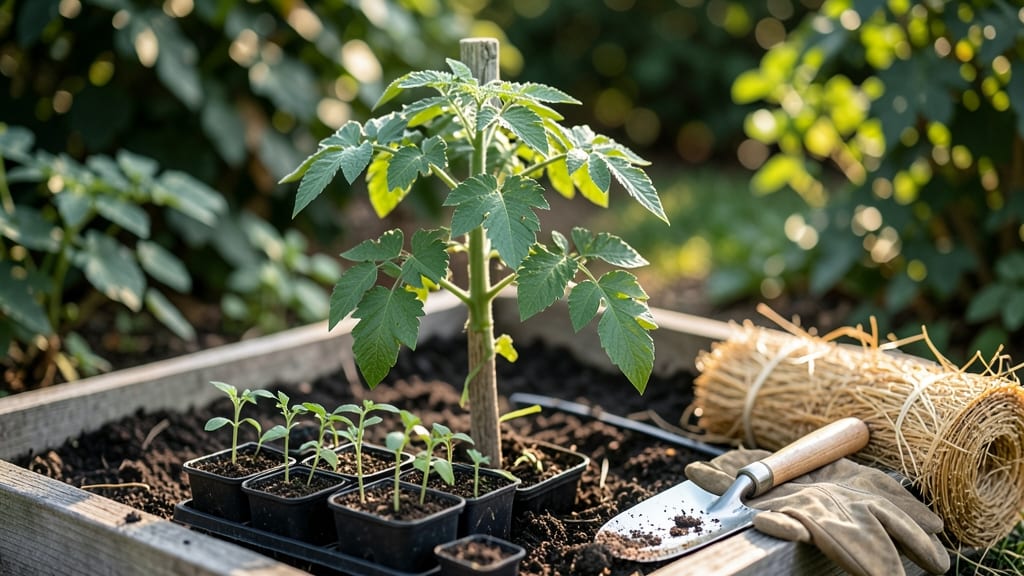
When can you plant the tomatoes in Massachusetts? Timing your 🍅 tomato planting in Massachusetts isn't just about the calendar—it's about dodging frost while giving your plants the warm start they crave. Plant too soon, and a late frost will turn your seedlings into sad, wilted memories. But get it right, and you'll be feasting on vine-ripened tomatoes from July through September.
Most Massachusetts gardeners in USDA Zone 6a wait until mid-April to late May to plant tomatoes, but the real secret lies in soil temperature.
Your tomatoes won't thrive until the ground reaches at least 60°F, and that warm-up can take weeks after the last frost date—usually around May 15 for most of the state.
Here's the game-changer: starting seeds indoors 6-8 weeks before your last frost gives you a head start. By the time soil warms up, your sturdy seedlings will be ready to transplant without shock.
And if you're wondering about direct sowing? That's a riskier bet unless you're using cold-hardy varieties and have protective covers ready.
Let me walk you through the exact windows that work for Massachusetts—whether you're in Boston, Worcester, or the Pioneer Valley—so you can time your planting for maximum harvests and minimum frost-related heartbreak.
Massachusetts tomato planting dates by last frost timeline (zone 5B guide)
Massachusetts' USDA Zone 5B climate demands precision when planting tomatoes. The average last frost date falls around May 15, but this varies yearly—some years see frost as late as June 1.
Your best bet is to wait until soil temperatures hit 60°F consistently, usually by late May in most regions. Boston tends to be cooler than Springfield, so adjust your timeline accordingly.
For direct sowing outdoors, aim for mid-May to early June after all frost risk has passed. Starting seeds indoors 6-8 weeks before transplanting (around March 15-April 1) gives you a head start.
This method works best for heat-loving varieties like 'Celebrity' or 'Better Boy' that need a long growing season.
Here's your timeline cheat sheet for Massachusetts tomato planting success:
| Stage | Action | Date Range | Notes |
|---|---|---|---|
| Indoor Start | Sow seeds | March 15-April 1 | Use grow lights for 12-14 hours/day |
| Hardening Off | Acclimate seedlings | April 15-May 1 | Gradually expose to outdoors |
| Transplant | Move outdoors | May 15-June 1 | After last frost, soil ≥60°F |
| Direct Sow | Plant seeds | Mid-May to early June | Use row covers for early starts |
| Succession Plant | Additional sets | June 15-July 15 | For late-season varieties |
Pro tip: Use black plastic mulch to warm soil faster—this can shave 2-3 weeks off your planting timeline. Simply lay the mulch 2-3 weeks before transplanting to create a warmer microclimate. My Worcester garden saw a 10-day earlier harvest using this trick last summer!
Watch for false springs—those warm spells in April that trick you into planting early. A late frost can devastate young tomato plants. The National Weather Service reports that Boston averages 3 frost events after April 15, so play it safe and wait until mid-May unless you're using protective covers.
For container growing, start your timeline 2 weeks earlier since pots heat up faster. Place containers in south-facing spots and use self-watering systems to maintain consistent moisture. My balcony tomatoes in Springfield thrived when transplanted May 1 with these adjustments.
Remember: Soil temperature matters more than air temperature. Use a soil thermometer to confirm readings—60°F is your magic number. If your soil runs cooler, consider raised beds or cold frames to accelerate warming. These methods can push your planting window back by 1-2 weeks in cooler microclimates.
Once your tomatoes hit 12-18 inches tall (usually 4-6 weeks after transplanting), they'll need staking or caging. Plan ahead—this ensures your plants have support as they grow toward their 5-6 foot mature height. My cherry tomato cages work perfectly for smaller varieties like 'Sweet 100'.
Finally, keep an eye on your local microclimate. Urban areas like Boston can be 2-3°F cooler than rural spots, while Springfield often enjoys warmer nights. Adjust your timeline by 3-5 days based on your specific location's frost history.
When in doubt, wait one more week—your tomatoes will thank you with a bountiful harvest!
How to extend your Massachusetts tomato growing season (cold frames, row covers, and succession planting)
Massachusetts’ short growing season doesn’t mean you have to miss out on homegrown tomatoes. With smart strategies, you can push your harvests earlier by 2-3 weeks or extend them into fall—even in Zone 5B.
The key is combining cold-hardy varieties, protective covers, and succession planting to beat frost and maximize your yield.
One of my favorite tricks is using floating row covers or low tunnels to shield young plants from late spring frosts. These lightweight fabrics trap heat while allowing sunlight and water to pass through—perfect for transplanting 2-3 weeks before the average last frost date (around May 15).
Just remove them once flowers appear to prevent overheating.
For a visual guide to extending your season, here’s how I break down the best methods:
Don’t forget to harden off your seedlings before transplanting under covers. Gradually expose them to outdoor conditions over 7-10 days to avoid shock. I also recommend mulching with straw to insulate roots and retain moisture—critical when nights dip below 50°F.
For a late-season boost, try black plastic mulch to warm soil faster in spring. It can raise temperatures by 5-10°F, giving your tomatoes a head start. Just remove it once plants are established to prevent overheating.
With these tricks, you can enjoy tomatoes from June through September—or even longer if you’re lucky with a warm fall. The secret? Plan ahead, protect your plants, and choose the right varieties for Massachusetts’ unpredictable climate.