
Planting
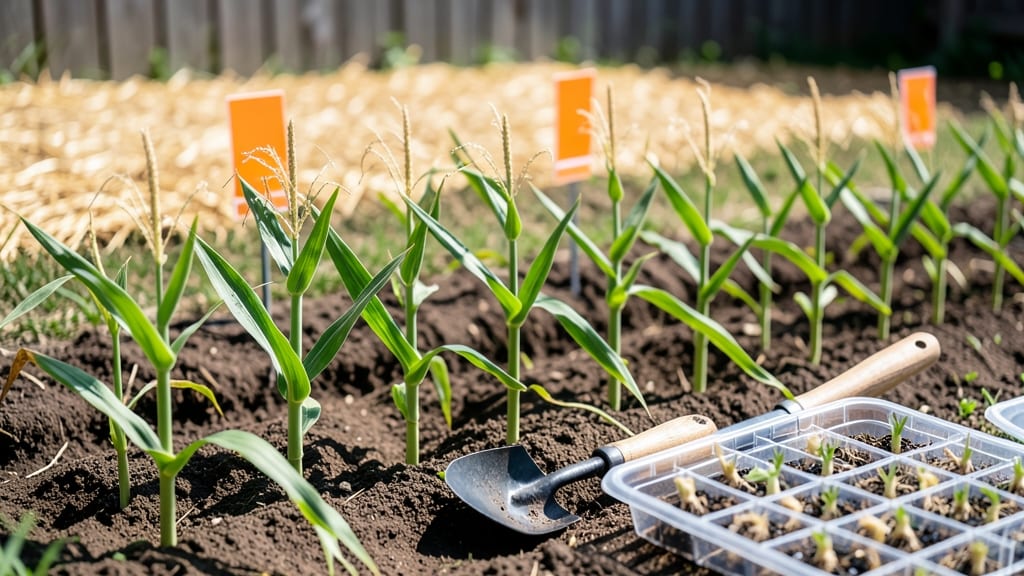
When do farmers plant corn in Ohio? It isn’t just about waiting for spring—it’s about timing it perfectly to avoid frost and maximize yields. Farmers here know that getting those seeds in the ground too early or too late can mean the difference between a bumper crop and wasted effort. The ideal window typically falls between mid-April and early May, when soil temperatures consistently reach 50°F or warmer and the threat of frost has passed.
But here's the catch: Ohio's climate varies by region, and even a single late frost can set back your entire season. That's why understanding soil temperatures and local frost patterns is the key to success.
Whether you're a small-scale farmer or a home gardener, knowing when to plant isn't just about the calendar—it's about reading your land.
In this guide, I'll break down the exact conditions Ohio farmers watch for, including soil temperature thresholds and how to adjust for unpredictable weather. You'll learn how to time your planting for optimal growth, avoid common mistakes, and set yourself up for a successful harvest from July through October.
Ready to plant with confidence? Let's dive into the science and strategies that make all the difference for Ohio's corn growers—and how you can apply them to your own garden.
Ohio corn planting dates by soil temperature & climate zones
Ohio’s corn planting season hinges on two critical factors: soil temperature and climate zone. Farmers target 50°F soil temps (measured 4 inches deep) as the minimum for germination, but ideal conditions begin at 55°F.
The Buckeye State spans five USDA hardiness zones (5b-6b), creating regional variations in planting windows that can differ by 2-3 weeks.
In northern Ohio (zones 5b-6a), corn typically goes into the ground between late April and early May, aligning with the last spring frost (usually around April 15). Meanwhile, southern Ohio (zones 6a-6b) can start as early as mid-April in years with early warming trends.
These differences matter because planting too early risks frost damage, while delaying past mid-May may shorten the growing season.
Here’s how Ohio’s five climate zones break down for corn planting:
| Zone | Last Frost Date | Ideal Planting Window | Soil Temp Threshold | Risk of Late Planting |
|---|---|---|---|---|
| 5b (Northeast Ohio) | April 20–May 5 | May 1–15 | 55°F+ | High (short season) |
| 6a (Central Ohio) | April 10–20 | April 25–May 10 | 50°F+ | Moderate |
| 6b (Southwest Ohio) | April 5–15 | April 15–May 5 | 48°F+ | Low (long season) |
| 7a (Extreme Southwest) | March 25–April 5 | April 1–April 20 | 50°F+ | Very Low |
| 6a (Lake Erie Shores) | May 1–10 | May 15–30 | 55°F+ | High (late frosts) |
For home gardeners, soil temperature gauges (available at garden centers) are essential tools. Bury one 4 inches deep and monitor daily—corn seeds won’t germinate below 50°F, and delays beyond 60°F can stress seedlings. Pro tip: Use black plastic mulch to warm soil faster in cooler zones.
Early planting (pre-May 1) offers longer maturity but risks cold soil and root rot. Late planting (post-May 15) shortens the season but avoids frost. Ohio State University Extension recommends 110–120 day hybrids for northern regions and 90–100 day varieties for the south to balance these trade-offs.
Farmers also track corn earworm flight patterns, which peak in late June. Planting earlier shifts ears away from peak pest pressure, while later plantings may face higher insect damage. This is why April 20–May 10 emerges as the "sweet spot" for most of Ohio.
One common mistake? Planting based on air temperature instead of soil temperature. A 70°F day can hide 45°F soil, stalling germination. Use a soil thermometer—it’s the only reliable way to time planting accurately.
Ohio’s 2023 planting report from the Ohio Agricultural Statistics Service shows that 65% of corn acres went in the ground by May 10, with the remaining 35% planted by May 25. Those who delayed beyond June 1 saw 10–15% yield reductions due to shorter growing seasons.
🌽
How Ohio farmers adjust planting for weather & soil conditions
Ohio’s unpredictable spring weather—from late frosts to sudden heatwaves—means farmers can’t just follow a calendar. Instead, they rely on soil temperature, moisture levels, and hybrid maturity to fine-tune planting. A 5-day delay can mean the difference between a bumper crop and stunted growth, so flexibility is key.
Most Ohio farmers wait until the soil reaches 50°F at 4-inch depth, but they also monitor rainfall forecasts.
Dry spells in April can push planting into May, while excess moisture may force delays until fields dry enough for equipment. No-till farming adds another layer—warmer soil warms up faster, but compacted layers can trap cold air near seeds.
Planting too early risks frost damage, while waiting too long shortens the growing season. Ohio’s last frost date varies by zone—April 15 in southern Ohio but May 1 in northern areas. Always check local USDA frost maps before planting.
Hybrid selection plays a critical role. Early-maturing varieties (like P1198AMX) tolerate cooler soils, while heat-tolerant hybrids (e.g., P0718AMX) handle June planting better. Farmers in northeast Ohio often plant 2 weeks later than those in southwest Ohio to avoid frost risks near Lake Erie.
Soil preparation matters just as much as timing. Conventional tillage dries fields faster but risks erosion, while no-till methods preserve moisture but may require starter fertilizers to kickstart growth. Test soil pH (ideal: 6.0–7.0) and add lime if needed—acidic soil slows germination, even with perfect timing.
If planting is delayed past mid-May, farmers switch to shorter-season hybrids or use black plastic mulch to warm soil. This isn’t ideal—corn needs 90–120 frost-free days to mature—but it’s better than losing the crop entirely. Always have a backup plan for weather disruptions.
For home gardeners, the takeaway is simple: monitor soil temps, adjust for local microclimates, and choose the right hybrid. Ohio’s variable climate rewards those who stay flexible—whether that means planting early with row covers or waiting for warmer soil.
The goal? Maximize the growing season, not just follow a date on the calendar. 🌾