
Companion Plants
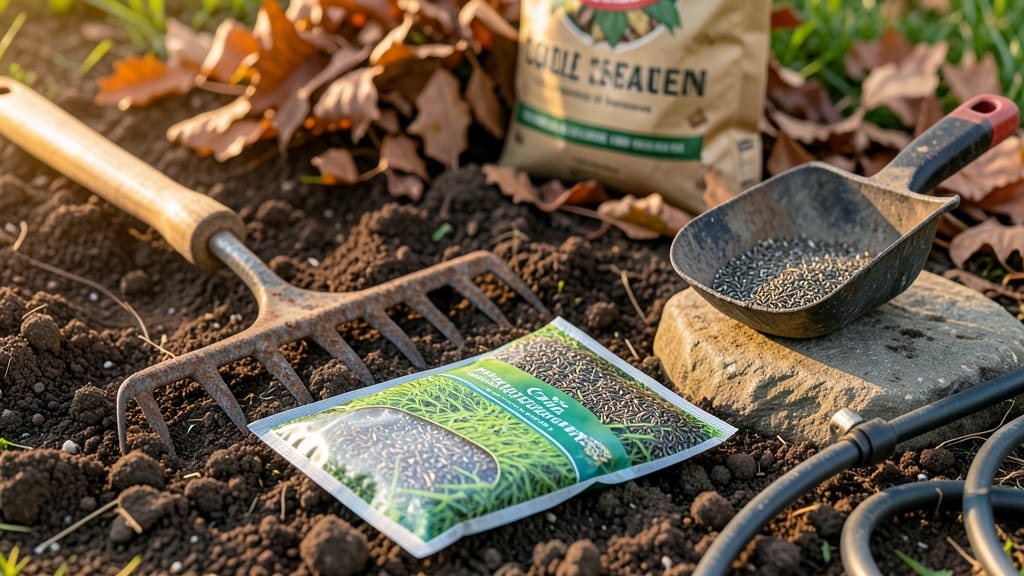
Planting grass seed at the wrong time in spring can turn your lawn dreams into a frustrating wait—especially when soil temperatures are too cold or too hot for germination.
The key to a fast, lush lawn lies in understanding when your local climate is ready, not just when the calendar says it’s spring.
Most gardeners in USDA Zone 6a (like mine!) should aim to plant 4-6 weeks before the last frost, typically in early March or April. But here’s the catch: even if the air feels warm, your soil might still be too chilly for those tiny grass seeds to wake up.
I’ll show you exactly how to check soil temps and avoid common mistakes that slow down germination.
Cool-season grasses like fescue and Kentucky bluegrass thrive when soil hits 50-65°F, while warm-season types need warmer conditions. Skipping this step means waiting weeks—or even risking frost damage. Let’s break down the perfect timing for your grass type and region.
Ready to skip the guesswork? By the end, you’ll know exactly when to plant, how to prep your soil, and what to watch for in the first 10-21 days after seeding. Your dream lawn starts with the right timing!
Ideal soil temperatures for spring grass seed germination
Getting your grass seed germination right in spring starts with one critical factor: soil temperature. Most gardeners focus on air temperature or frost dates, but the ground's warmth—or lack of it—is what truly determines whether your seeds sprout or sit dormant.
For cool-season grasses like Kentucky bluegrass or fescue, the sweet spot is 50°F to 60°F, while warm-season varieties such as Bermuda or Zoysia need 65°F to 75°F to kickstart growth. Planting too early when the soil is still chilly can leave your seeds waiting weeks for the right conditions.
Your local climate plays a huge role here. In northern states (USDA Zones 3-5), soil may not hit 50°F until late April or even May, while southern regions (Zones 7-10) can start as early as February.
Checking your soil temperature is easier than you think—just use a soil thermometer (available for under $10) or press your finger into the ground; if it feels cold and damp, it's not ready yet.
Waiting a few extra weeks for the right temperature can save you from frustration and wasted seed.
Here’s the kicker: even if air temperatures feel spring-like, the soil may still be too cool. For example, a sunny 60°F day can hide 45°F soil just an inch below the surface. This mismatch is why many gardeners see slow germination or patchy growth.
The key is consistency—seeds need 3-5 days of stable soil temps in their ideal range before planting. If you’re in doubt, err on the side of waiting; your grass will thank you later.
🌱
🌱 Soil Temperature Guide for Spring Grass Seed
| Grass Type | Ideal Soil Temp | Best Planting Window | Regional Notes |
|---|---|---|---|
| Cool-Season (Kentucky Bluegrass, Fescue, Ryegrass) | 50°F–60°F | 4–6 weeks before last frost | Northern U.S.: Late April–May; Southern U.S.: Early March |
| Warm-Season (Bermuda, Zoysia, St. Augustine) | 65°F–75°F | After last frost, soil warm | Southern U.S.: February–March; Northern U.S.: May–June |
| Transition Zone (Tall Fescue, Buffalo Grass) | 55°F–65°F | Early spring or late summer | Adjust based on soil warmth, not calendar |
Pro Tip: Use a soil thermometer for 3–5 days to confirm temps are stable in the ideal range before planting.
Testing your soil temperature is a game-changer for avoiding failed germination. Here’s how to do it right: Insert the thermometer 2–3 inches deep (where most seeds will be) and leave it for 10–15 minutes to get an accurate reading.
Early mornings (before 9 AM) give the most reliable results because soil temps are less affected by daytime heat. If you’re planting in shady areas, soil will stay cooler—sometimes 10–15°F colder than sunny spots—so adjust your expectations accordingly.
Another common mistake is assuming that air temperature reflects soil temperature. For example, a 70°F day in March might still have 48°F soil, which is too cold for most grass seeds.
To bridge this gap, use a black plastic mulch or dark-colored landscape fabric to absorb heat and warm the soil faster. This trick can shave off 1–2 weeks of waiting time, especially in cooler climates.
Once your soil hits the ideal range, act fast! Seeds can germinate in as few as 5–7 days under perfect conditions, but they won’t wait forever.
Keep a close eye on your local frost forecast—if a late frost is predicted within 10 days of planting, delay until after the risk passes. Cool-season grasses can handle light frost, but warm-season varieties will not survive even a light freeze.
A little patience now means a thicker, greener lawn later.
🌿
If you’re still unsure about your local conditions, check your USDA Hardiness Zone and cross-reference it with a grass seed planting calendar for your state. Many seed companies (like Scotts or Jonathan Green) offer free planting guides tailored to your region.
For example, in Zone 5, cool-season grasses should go in by mid-May, while Zone 8 gardeners can start as early as February. Don’t guess—let the science guide you!
Finally, remember that soil temperature isn’t the only factor. You’ll also need moisture, sunlight, and proper soil prep to set the stage for success. But if you nail the temperature first, you’ve already won half the battle.
Your grass seeds will thank you with faster germination and a healthier start to the growing season.
☀️
Spring planting timeline: month-by-month guide by grass type
Choosing the right month to plant grass seed depends entirely on your grass type and local climate. Cool-season grasses like Kentucky bluegrass and fescue thrive when planted in early spring, while warm-season varieties such as Bermuda or Zoysia need to wait until late spring when soil warms up.
Let’s break it down by month and region to help you avoid common timing mistakes.
For northern climates (USDA Zones 3-6), aim to plant cool-season grasses in March or early April, about 4-6 weeks before your last frost date.
In southern climates (Zones 7-10), you can start as early as February for cool-season grasses, but warm-season grasses should wait until May or June when soil temperatures consistently reach 65°F+.
If you’re in a transition zone (like Zone 7), consider planting cool-season grasses in early spring and warm-season grasses in late spring for a two-tiered lawn. For example, tall fescue can handle cooler temps, while centipede grass needs warmth.
Always check your local frost dates—a late frost can wipe out newly planted seeds in just one night.
Pro tip: Use a soil thermometer to confirm temperatures before planting. If your soil is below 50°F, wait—even if the air feels warm. Germination slows drastically in cooler soil, leading to patchy lawns. Patience here pays off with faster, more uniform growth.
Once you’ve planted, focus on consistent watering (about ½ inch per week) and avoid walking on the lawn until the grass reaches 3 inches tall.
This gives roots time to establish without damage. With the right timing, you’ll see visible sprouts in 10-14 days and full coverage in 6-8 weeks.
Remember, spring planting is a race against time—too early risks frost, and too late means slower growth. But with this guide, you’ll nail the perfect window for your grass type and climate. Happy planting! 🌱