
Plants
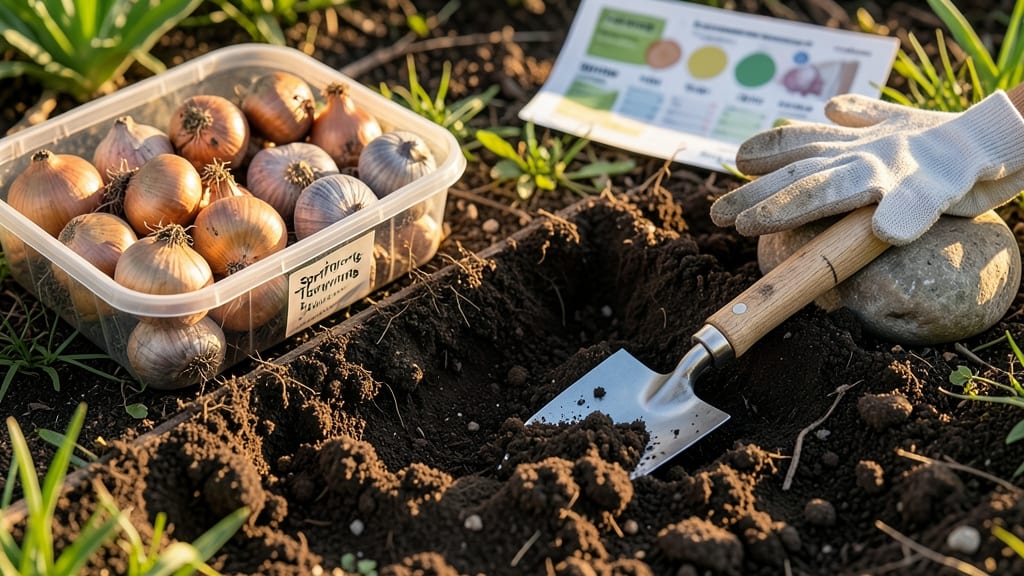
Planting bulbs in Colorado isn’t just about the calendar—it’s about outsmarting late frosts that can turn your spring blooms into a sad, frozen memory. With USDA zones 5-7 and elevation swings from 5,000 to 10,000 feet, timing is everything.
Get it wrong, and your 🌷 tulips might never push through the snow.
The key is knowing your elevation zone’s last frost date—mid-May in the Front Range but weeks earlier in the mountains. Plant too early, and a surprise freeze will doom your bulbs; too late, and they won’t root in time for vibrant spring displays.
I’ll break down the exact planting windows for your area, so you can avoid these common mistakes.
Whether you’re in Denver’s urban heat islands or the cooler Foothills, the right strategy makes all the difference. We’ll cover soil prep, mulching depth, and even how to stretch your planting window by 2-3 weeks—because Colorado’s weather is unpredictable, and your garden shouldn’t be.
Ready to transform your yard into a spring explosion of color? Let’s dive into the science-backed deadlines that’ll have your bulbs thriving—no matter where you live in the Centennial State.
Colorado’s frost-free planting deadlines by elevation Zone
Colorado’s dramatic elevation shifts—from 5,000 feet in Denver to 10,000 feet in the mountains—mean your last frost date can vary by 6 weeks or more.
Planting bulbs like tulips or daffodils too early risks frost damage, while late planting delays spring blooms. Here’s how to time it perfectly for your zone.
Most Colorado gardeners aim to plant spring-blooming bulbs in fall (September-November) so they establish roots before winter. The key is planting 6-8 weeks before your average first frost.
For example, in Denver (Zone 5), that’s mid-September, while in Aspen (Zone 4), you’ve got until early October.
Use this elevation-based guide to avoid common mistakes like late frosts or missed bloom windows. Whether you’re in the Front Range, Western Slope, or Rocky Mountains, timing is everything for vibrant spring displays.
| Elevation Zone | Avg. First Frost | Planting Window | Last Chance | Key Bulbs |
|---|---|---|---|---|
| Front Range (5,000–7,000 ft) | Mid-October | September 15–October 15 | October 31 | Tulips, Daffodils, Hyacinths |
| Western Slope (4,000–6,000 ft) | Late October | September 1–October 31 | November 15 | Crocuses, Alliums, Snowdrops |
| Mountains (7,000–10,000 ft) | Early October | August 15–September 30 | October 15 | Hardy Daffodils, Fritillaries |
⚠️ Pro Tip: Check your local CoCoRaHS frost data for precise dates!
If you’re in Denver or Colorado Springs, aim for mid-September to give bulbs time to root before October’s first frost. In Grand Junction or Durango, you’ve got until late October—perfect for late-blooming varieties like tulips.
For high-altitude areas (e.g., Leadville or Breckenridge), plant earlier (August) to avoid early snow.
Microclimates matter! Urban areas like Aurora may have warmer pockets, while rural spots near mountains can be 5°F colder. Use mulch (4–6 inches) to protect bulbs in Zone 4 areas from freeze-thaw cycles. For container gardening, plant bulbs 2 weeks earlier since pots freeze faster.
Spring planting is riskier but works for late varieties like tulips or crocuses. In Zone 5–6, plant in March once soil reaches 50°F. In Zone 4, wait until April to avoid late frosts. Always water deeply after planting to encourage root growth.
Colorado’s USDA Zones 4–7 create a 30-day window for planting. Miss it, and you’ll either get frost-damaged sprouts or delayed blooms. For example, daffodils planted in November in Denver may bloom 2 weeks later than those planted in October. Plan ahead!
Protect your bulbs with row covers or straw mulch if unseasonable cold hits. In 2020, a late October frost in Fort Collins killed early-planted tulips. Stay flexible—adjust your timeline based on weather forecasts and local conditions.
For summer-flowering bulbs (like dahlias), wait until after the last frost (typically mid-May in Zone 5). These need
Best fall planting strategies for Colorado gardens
Colorado’s fall planting window is your golden opportunity to get spring-blooming bulbs like tulips and daffodils established before winter. But with elevation-driven frost dates, timing is everything. Aim to plant 6-8 weeks before your area’s first hard frost—typically between mid-September and early November.
For high-altitude gardens (above 7,500 ft), like those in the Rocky Mountains, start earlier—late August to mid-September. These areas have shorter growing seasons and colder soils, so bulbs need extra time to root before winter sets in.
Use a soil thermometer to check if temps are below 50°F (10°C)—if so, wait a few days.
🌱 Numbered Highlights for Fall Planting Success
- 1. Soil Prep: Loosen soil to 12 inches deep and mix in compost for drainage. Bulbs rot in compacted or waterlogged soil.
- 2. Planting Depth: Dig holes 3x deeper than bulb height. Example: 6-inch bulbs need 18-inch holes.
- 3. Mulch Matters: Apply 3-4 inches of mulch (straw or shredded leaves) after planting to insulate bulbs from freeze-thaw cycles.
- 4. Watering Routine: Water deeply once a week until the ground freezes. Avoid overwatering, which causes bulb rot.
- 5. Late-Season Adjustments: If planting in November, choose cold-hardy varieties like daffodils or alliums, which tolerate shorter rooting periods.
Don’t overlook microclimates—urban Denver gardens may stay 5-10°F warmer than rural areas, delaying frost. Use local frost date maps (like the Colorado State University Extension resources) to fine-tune your schedule. For containers or raised beds, plant 2 weeks earlier since they cool faster.
Protect tender bulbs with row covers or extra mulch if a late frost warning appears. Daffodils and snowdrops are your safest bets for high-altitude zones—they thrive in colder soils and often bloom earlier than tulips. Mark your planting spots to avoid spring confusion with other crops.
After planting, let foliage yellow naturally next spring—this feeds the bulb for next year’s blooms. Skip the urge to cut back leaves too soon, even if they look unsightly. With these strategies, your Colorado garden will burst with color months before summer arrives. 🌷