
Plants
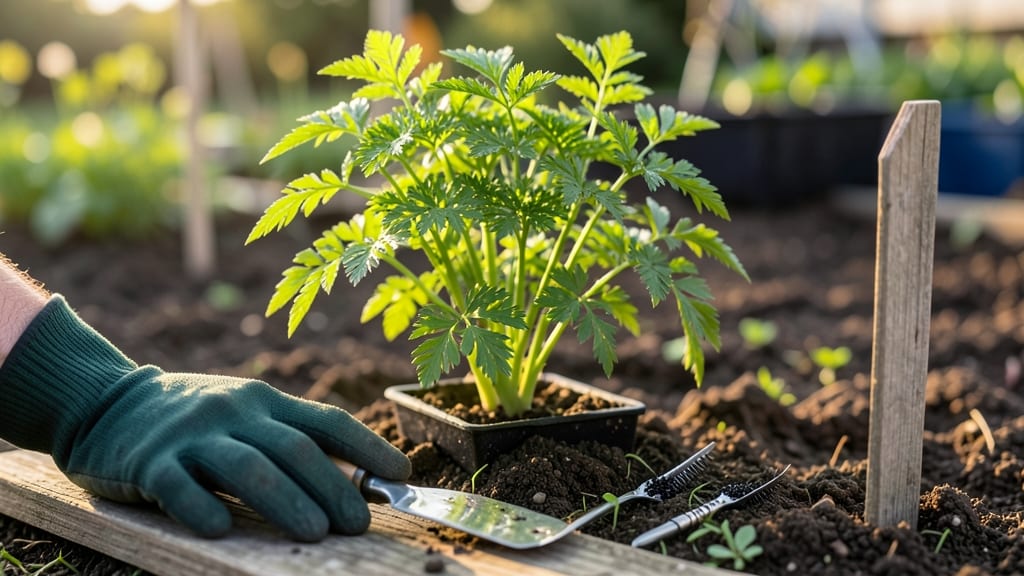
Planting carrots in Texas isn't just about timing—it's about outsmarting the heat to grow those sweet, crisp roots you crave. If you've ever watched your carrot seedlings bolt or turn woody under Texas sun, you know the stakes are high.
The secret lies in two perfect windows: late winter to early spring and late summer to early fall, when temperatures cooperate just enough.
I've learned the hard way that Texas' varied microclimates mean what works in North Texas might fail in South Texas. Whether you're in Zone 8a or 10b, the right schedule prevents bitter roots and maximizes harvests.
Let me show you exactly when to plant for bold, straight carrots that taste better than anything from the grocery store.
We'll cover the best months for your specific heat zone, soil prep tricks to avoid forking, and how to stretch your growing season. No more guessing games—just proven strategies that actually work in Texas gardens. Ready to grow carrots that impress even your pickiest eaters?
From February to March and again in August to September, these are your golden opportunities. Let's dive into the details that will transform your carrot patch from frustrating to fantastic this year.
Texas carrot planting calendar by heat Zone: month-by-month breakdown
Texas’ diverse heat zones (A-D) mean your carrot planting schedule should match your region. In Zone A (South Texas), mild winters allow earlier sowing, while Zone D (North Texas) demands later starts to avoid frost.
The key? Plant when soil temps hit 55-65°F—too cold, and seeds rot; too hot, and they bolt. I’ve grown carrots in both zones and learned the hard way—timing is non-negotiable.
For most Texans, late winter to early spring (February-March) is prime time. But don’t stop there—fall planting (August-September) gives you a second harvest before winter sets in. South Texas gardeners can even squeeze in a winter crop (December-January) under row covers.
The trick? Adjust for your last frost date—North Texas waits until March 1, while South Texas can plant as early as January 15.
Here’s the breakdown you need to avoid bolting or woody roots:
| Heat Zone | Planting Window | Soil Temp | Seed Depth | Harvest Time |
|---|---|---|---|---|
| Zone A (South TX) | Jan 15–Feb 15 Aug 1–Sept 15 |
55–65°F | ¼ inch | March–April Oct–Nov |
| Zone B (Central TX) | Feb 1–March 15 Aug 15–Sept 30 |
55–65°F | ¼ inch | April–May Oct–Nov |
| Zone C (North-Central TX) | March 1–April 1 Aug 30–Oct 15 |
60–70°F | ¼ inch | May–June Nov |
| Zone D (North TX) | March 15–April 15 Sept 1–Oct 1 |
60–70°F | ¼ inch | May–June Nov |
🌱 Pro Tip: Use a soil thermometer to confirm temps before planting—cold soil = slow germination.
In Zone A (South Texas), I’ve successfully grown two carrot crops per year by planting in January and August. The secret? Shade cloth during summer heat and row covers in winter.
For Zones C-D (North Texas), focus on fall planting—spring crops often bolt by May when temps hit 85°F+. I once lost an entire row to bolting because I ignored the soil temperature rule—don’t make my mistake!
Texas’ summer heat (June–August) is carrot’s enemy. Seeds planted during these months rarely germinate, and seedlings that do often bolt or develop woody, bitter roots. Instead, plan for cool-season growth and use succession planting every 2 weeks in spring/fall to stagger harvests.
My April-May crops always yield the sweetest carrots because they mature before the heat peaks.
For fall planting, start seeds 8–10 weeks before your first frost. In North Texas (Zone D), that’s early September. Use black plastic mulch to warm soil faster and drip irrigation to keep moisture consistent.
I’ve had great luck with Nantes varieties in fall—they tolerate cooler temps better than Danvers. Just remember: harvest before hard frost or use row covers to extend the season.
One mistake I see often? Planting too deep or in compacted soil. Carrots need 6+ inches of loose soil to grow straight. Amend your beds with compost and sand if your soil is clay-heavy (common in East Texas).
In West Texas, where soil is sandy, add organic matter to retain moisture. Always thin seedlings to 2–3 inches apart—crowding leads to forked roots.
Texas’ microclimates mean your neighbor’s success might not work for you. For example, Austin (Zone B) can plant 2 weeks earlier than Dallas (Zone C). Check your local AgriLife Extension for precise frost dates.
I once planted in early March in Dallas and lost seedlings to a late frost—now I wait until mid-March as a buffer. When in doubt, start seeds indoors 4–6 weeks before transplanting outdoors.
Finally, succession planting is your best friend.
Texas carrot planting calendar by heat Zone: month-by-month breakdown
Texas’ diverse climate—from the Panhandle’s chilly winters to South Texas’ year-round heat—means carrot planting isn’t one-size-fits-all. The USDA Heat Zones A-D dictate your perfect window, with Zone A (North Texas) getting a later start than Zone D (Deep South).
For example, North Texans should aim for February-March sowings, while Gulf Coast gardeners can stretch into late January or even December for fall crops.
Carrots thrive when soil temps hover between 50°F and 85°F. Below 50°F, growth stalls; above 85°F, seeds bolt or produce woody, bitter roots.
Use a soil thermometer to test before planting—this is your secret weapon against Texas’ unpredictable swings. Pro tip: Morning soil temps are more reliable than afternoon spikes.
Here’s your heat-zone-specific planting calendar, including ideal months, soil prep tips, and harvest windows to maximize crisp, sweet carrots:
| Heat Zone | Best Planting Months | Soil Temp Threshold | Seed Depth | Harvest Window |
|---|---|---|---|---|
| A (North Texas) | Feb–Mar, Aug–Sep | 50°F–75°F | 1/4 inch | Apr–May, Oct–Nov |
| B (Central Texas) | Jan–Feb, Aug–Sep | 55°F–80°F | 1/4 inch | Mar–Apr, Sep–Oct |
| C (East/South Texas) | Dec–Jan, Aug–Sep | 60°F–82°F | 1/4 inch | Feb–Mar, Sep–Nov |
| D (Deep South) | Nov–Dec, Aug–Sep | 65°F–85°F | 1/4 inch | Jan–Feb, Sep–Dec |
🌱 Note: Adjust for microclimates (e.g., hilltops cool faster than valleys).
For fall crops, prioritize August-September sowings—this gives carrots time to mature before first frost (as early as November 15 in Zone D). In Zone A, stretch fall planting to mid-October for a winter harvest, though growth slows below 40°F.
Use row covers to shield tender seedlings from unpredictable late frosts.
Texas’ rocky, clay-heavy soil can cause forked roots if not prepped properly. Loosen soil to 12 inches deep with a broadfork, and mix in 2–3 inches of compost to improve drainage.
Avoid fresh manure—it can burn seeds and attract pests. For containers, use a lightweight potting mix with perlite to prevent compaction.
In Zone D, where summers are relentless, opt for shorter-day varieties like ‘Paris Market’ or ‘Little Finger’ to avoid bolting. For Zone A, extend the season by planting succession crops every 2 weeks from February to May.
This ensures a continuous harvest and reduces pressure on your soil.
Remember: Consistency beats perfection. Even if your timing isn’t exact, adjusting for soil temp and protecting seedlings will yield better results than rigid schedules. Start small—try a 10-foot row in your best heat zone—and refine your approach each season. Your future crunchy, homegrown carrots will thank you! 🥕