
Plants
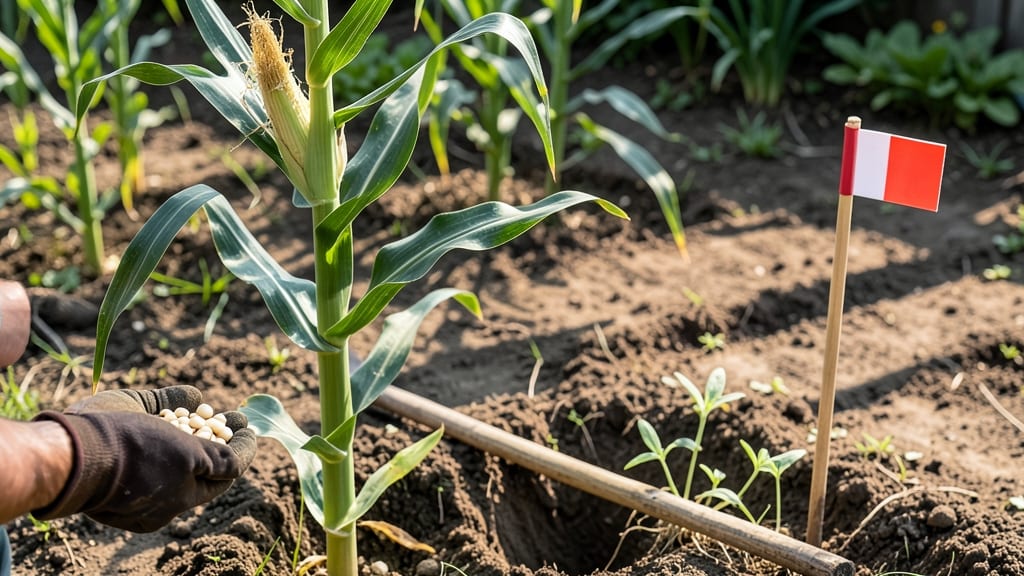
Planting corn in Alabama at the wrong time can mean the difference between a thriving 🌽 harvest and wasted effort—especially when late frosts still lurk in the forecast.
The key isn’t just waiting for spring; it’s knowing when the soil warms enough to support those hungry seedlings without risking stunted growth or bolted plants.
Most Alabama gardeners in zones 7b-8b should aim for mid-April to early May, but that window shifts slightly depending on your exact location and variety. Early-season varieties can go in as soon as the soil hits 50°F, while late-summer types need warmer temperatures to thrive.
I’ll break down exactly how to time it right—plus how to prep your soil and avoid common mistakes that ruin crops before they even start.
Why does this matter? Because Alabama’s unpredictable weather—from sudden cold snaps to scorching summer heat—demands precision. Whether you’re growing sweet corn for grilling or popcorn for movie nights, getting the timing perfect ensures your plants have enough frost-free days to mature fully.
Let’s dive into the exact steps to maximize your harvest this season.
From checking soil temperatures to spacing plants correctly, I’ll walk you through everything you need to know to turn your Alabama garden into a corn-producing powerhouse. No guesswork, just proven strategies for a bountiful harvest from late July through October.
Alabama corn planting timeline by Zone 7b-8a: exact dates & frost risks
Alabama’s Zone 7b-8a climate gives you a 210-day frost-free window, perfect for growing corn—but timing is critical. Plant too early, and late frosts will kill tender seedlings. Wait too long, and your harvest may arrive before summer’s end.
The key is understanding your last average frost date (typically March 15 in northern Alabama, March 1 in southern regions) and soil temperature requirements.
For most of Alabama, the ideal planting window spans from mid-April to early May. This ensures your corn reaches maturity before the first frost in late October to November.
Early varieties (like 'Silver Queen') can be planted as soon as soil reaches 50°F, while late varieties (like 'Peaches and Cream') benefit from waiting until soil hits 60°F for faster germination.
If you’re in Zone 7b (northern Alabama), aim for April 15–May 1. Gardeners in Zone 8a (southern Alabama) can start as early as mid-March for early varieties or push into late May for a fall harvest.
Always check your local Alabama Extension office for microclimate adjustments—some areas experience 10+ days of frost delay due to elevation or urban heat islands.
🌽 CORN PLANTING SUMMARY FOR ALABAMA
| Zone & Region | Last Frost Date | Optimal Planting Window | Soil Temp Requirement | First Frost Risk |
|---|---|---|---|---|
| Zone 7b (North AL: Huntsville, Decatur) | March 15–April 1 | April 15–May 1 | 50°F (early) / 60°F (late) | Late October–November |
| Zone 7b-8a (Central AL: Birmingham, Montgomery) | March 1–March 15 | April 1–May 10 | 55°F (early) / 60°F (late) | Mid-October–November |
| Zone 8a (South AL: Mobile, Dothan) | February 15–March 1 | March 15–April 30 | 60°F (all varieties) | Late November |
| Late Summer Harvest (All Zones) | N/A | May 15–June 15 | 60°F+ | Harvest before first frost |
🌱 Pro Tip: Use black plastic mulch to warm soil faster in early plantings.
Alabama’s extended growing season allows for two corn plantings: a primary spring crop and a secondary summer crop. For a late-summer harvest, plant May 15–June 15 using fast-maturing varieties (like 'Ambrosia', which matures in 70–75 days).
This strategy works best in Zone 8a, where the frost-free window stretches into December in some microclimates.
Monitor soil temperature with a soil thermometer—corn seeds won’t germinate below 50°F. In cooler springs, opt for early-maturing hybrids (like 'Bodacious') to avoid frost risks. If late frosts threaten, cover seedlings with frost cloth or row covers until they’re 6 inches tall.
This is especially critical in Zone 7b, where late frosts can linger into April.
Adjust your planting timeline based on weather forecasts. If a cold snap is predicted after planting, delay until soil warms. Conversely, if your area experiences an unusually early spring, you can plant 2–3 weeks early without risking frost damage.
Always prioritize soil temperature over calendar dates—it’s the most reliable indicator of success.
For popcorn and field corn, which take longer to mature (90–120 days), stick to the earliest planting window (mid-April) and choose drought-tolerant varieties like 'Country Gentleman'.
These types need the full growing season to develop properly, so avoid late plantings unless you’re in Zone 8a with a long frost-free period.
Track your corn’s progress using a planting calendar. Start counting days from germination (not planting) to estimate harvest dates. In Alabama, most sweet corn varieties mature in 75–90 days, meaning a May 1 planting should yield ears by late July to early August.
Plan for 2–3 weeks of buffer time before the first frost to ensure a successful harvest.
How to prepare your Alabama garden for corn planting: soil, spacing & variety tips
Alabama’s rich soil and warm climate make it perfect for growing corn, but proper preparation is key to a successful harvest. Start by testing your soil pH—corn thrives in slightly acidic to neutral soil, ideally between 6.0 and 6.8.
If your soil is too acidic, add lime in the fall or early spring to adjust it.
Before planting, enrich your soil with compost or aged manure to improve fertility. Corn is a heavy feeder, so well-amended soil ensures strong stalks and plentiful ears. Work the compost into the top 6-8 inches of soil for best results. Avoid fresh manure, as it can burn young plants.
🌱 Key Preparation Steps for Alabama Corn
- 📋 Test soil pH (aim for 6.0-6.8)
- 🪴 Add compost (2-3 inches mixed into soil)
- 💧 Water deeply before planting (1-2 inches)
- 🌾 Choose drought-resistant varieties (e.g., 'Silver Queen' or 'Peaches & Cream')
- ✂️ Clear weeds from planting area (corn competes poorly with weeds)
When planting, space your seeds correctly to ensure proper airflow and pollination. For sweet corn, plant seeds 1-1.5 inches deep and 4-6 inches apart in blocks (not rows) to improve cross-pollination. If growing field corn or popcorn, increase spacing to 8-12 inches apart to accommodate larger stalks.
Alabama’s hot summers can lead to drought stress, so select drought-tolerant varieties like 'Peaches & Cream' or 'Ambrosia'. These varieties mature faster and require less water once established.
Mulch around plants with straw or grass clippings to retain moisture and suppress weeds, especially during the critical tasseling and ear development stages.
For a second harvest, consider planting late-maturing varieties like 'Golden Bantam' in early June. This extends your growing season and maximizes your yield. Just ensure you have enough space and monitor for pests like corn earworms, which are common in Alabama’s humid climate.
Finally, avoid overcrowding—corn needs room to grow. In Alabama’s Zone 7b-8a, aim for 12-18 inches between rows to allow for easy maintenance and harvesting. With the right prep, your corn will thrive and reward you with a bountiful harvest! 🌽