
Plants
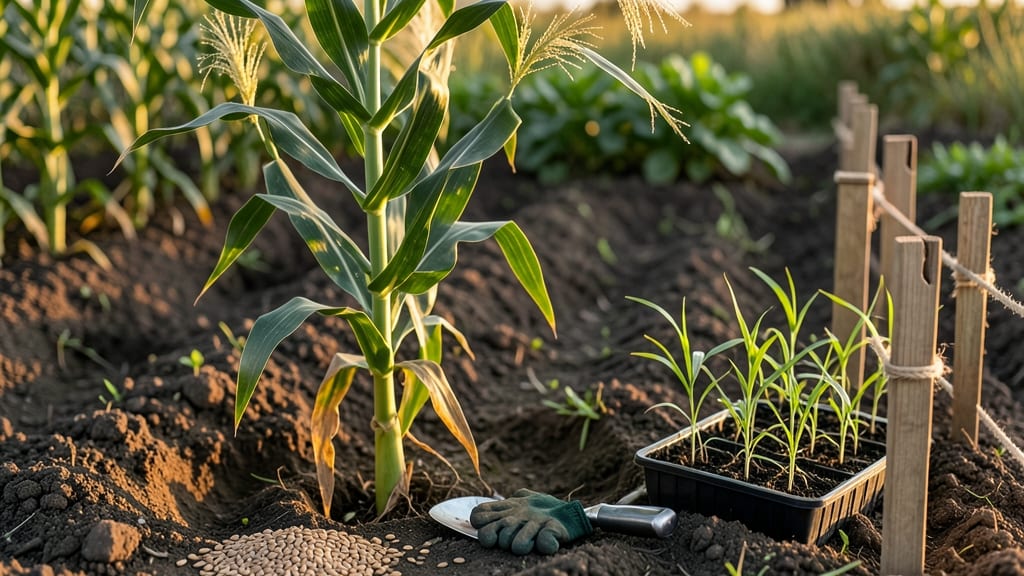
Timing your 🌽 corn planting in Colorado isn’t just about following a calendar—it’s about outsmarting the state’s unpredictable swings from 50°F mornings to sudden 80°F heatwaves. Plant too early, and a late frost will turn your tender seedlings into sad, wilted memories.
Wait too long, and you’ll miss the 90-day growing window that separates sweet, plump ears from stunted disappointment.
Most Colorado gardeners swear by mid-April to mid-June as the golden window, but that’s just the starting point. Whether you’re in the Front Range’s cooler microclimates or the Eastern Plains’ warmer stretches, soil temperature—and not just air temperature—is the real game-changer.
We’re talking 60°F+ soil, not the thermometer’s whims.
Here’s the secret: Early varieties like ‘Peaches and Cream’ can handle Colorado’s short season, while late-season stalwarts like ‘Silver Queen’ need every warm day to reach maturity.
I’ll break down exactly when to plant based on your elevation, how to prep your soil for alkaline-heavy Colorado dirt, and why row covers might save your crop if Mother Nature throws a curveball.
Ready to turn your backyard into a cornucopia? Let’s dive into the exact schedule that’ll have your 🌽 corn towering by summer—no guesswork, just proven strategies for Colorado’s tricky climate.
Colorado corn planting dates by USDA Zone (4-7) and altitude
Colorado’s diverse elevations—from the Front Range to the Western Slope—create wildly different planting windows for corn. While Denver (Zone 5) and Fort Collins (Zone 4) may have late April last-frost dates, areas like Grand Junction (Zone 6) can plant weeks earlier.
Soil temperature is your true guide: corn needs 50°F+ soil to germinate, with 60°F+ for optimal growth.
High-altitude gardens (6,000+ ft) face shorter seasons, so early-maturing varieties like ‘Early Sunglow’ (60 days) are essential. Meanwhile, lower elevations (3,000–5,000 ft) can grow late-season varieties like ‘Silver Queen’ (110 days) with proper planning. Always check your local last-frost date—Colorado State University Extension provides county-specific averages.
Here’s how to align your planting with Colorado’s USDA Zones 4–7 and elevation ranges:
| Region/Elevation | USDA Zone | Last Frost Date | Planting Window | Recommended Varieties |
|---|---|---|---|---|
| Front Range (Denver, Boulder) | 4–5 | April 15–May 1 | May 1–15 (after soil hits 50°F) | ‘Peaches and Cream’ (80 days), ‘Golden Bantam’ (65 days) |
| Eastern Plains (Greeley, Sterling) | 5–6 | April 1–April 15 | April 15–May 10 | ‘Ambrosia’ (90 days), ‘Country Gentleman’ (100 days) |
| Western Slope (Grand Junction, Durango) | 6–7 | March 15–April 1 | March 30–April 30 | ‘Silver Queen’ (110 days), ‘Temptation’ (95 days) |
| High Altitude (Aspen, Leadville) | 3–4 | May 15–June 1 | June 1–15 (use row covers) | ‘Early Sunglow’ (60 days), ‘Golden Midget’ (70 days) |
For high-altitude gardens, start seeds indoors 4–6 weeks before your target planting date. Use biodegradable pots to avoid transplant shock when moving seedlings outdoors. In Zone 6+ areas, you can even squeeze in a second planting in early June for a late-summer harvest.
Pro tip: Test your soil’s pH (6.0–7.0 ideal)—Colorado’s alkaline soils can stunt corn growth. Amend with sulfur or peat moss if needed. Also, warm the soil faster by covering beds with black plastic mulch 1–2 weeks before planting.
If you’re in Zone 4 or 5, prioritize short-season varieties and plant near south-facing walls or greenhouses to extend the season. For Zone 6–7, you’ve got flexibility—just avoid planting after June 15 to ensure ears mature before fall frosts hit in October.
Remember: Corn is wind-pollinated, so plant blocks (not rows) to ensure cross-pollination. A 4×4 ft block with 30–36 inches between rows works perfectly for home gardens.
🌽
How to adjust corn planting time for Colorado’s microclimates
Colorado’s microclimates can shift planting windows by weeks—even within the same county. High-altitude areas like Denver (5,280 ft) often face late frosts until mid-May, while Grand Junction (4,400 ft) on the Western Slope may see frost-free soil by early April. Understanding these differences is key to avoiding frost damage or wasted seed. For high-altitude gardens (6,000+ ft), like those in Boulder or Steamboat Springs, opt for early-maturing varieties like ‘Peaches and Cream’ (70 days) or ‘Ambrosia’ (85 days). These varieties tolerate cooler soils and shorter seasons better than late-season stalwarts like ‘Silver Queen’ (110 days), which struggle above 7,000 ft.Soil temperature is your best guide—wait until it hits 50°F+ consistently for 10+ days, even if frost dates suggest otherwise. Use a soil thermometer to check; corn seeds won’t germinate below 55°F.
In cold pockets (e.g., mountain valleys), extend your season with black plastic mulch or row covers to warm the soil by 5–10°F.
Cold snaps are Colorado’s wildcard. If nighttime temps drop below 32°F after planting, protect seedlings with floating row covers or cloche tunnels. For late plantings (June), choose short-season hybrids like ‘Early Sunglow’ (65 days) to harvest before first frost.
Never plant after June 15 in most of Colorado—ears won’t mature before fall frosts hit.
Drought stress is another Colorado challenge, especially on the Western Slope. Once corn tassels appear, consistent moisture is critical—skip watering, and kernels may become small and chalky.
Use mulch (straw or grass clippings) to retain soil moisture and suppress weeds. In low-humidity areas, water deeply in the morning to reduce fungal diseases like leaf blight.
For container growing in urban areas (e.g., Denver or Colorado Springs), select bush varieties like ‘Golden Bantam’ (75 days) and plant in 5-gallon pots with well-draining soil. Containers warm up faster than ground soil, so you can plant 2–3 weeks earlier than in-ground gardens.
Just ensure pots get full sun (6+ hours) and daily watering—containers dry out 3x faster than garden beds.
Local resources like the Colorado State University Extension offer free frost date maps and variety trials for your region. Bookmark their planting calendars and adjust your schedule yearly—Colorado’s weather is unpredictable, but with these tweaks, you’ll maximize your corn harvest every season. 🌽