
Plants
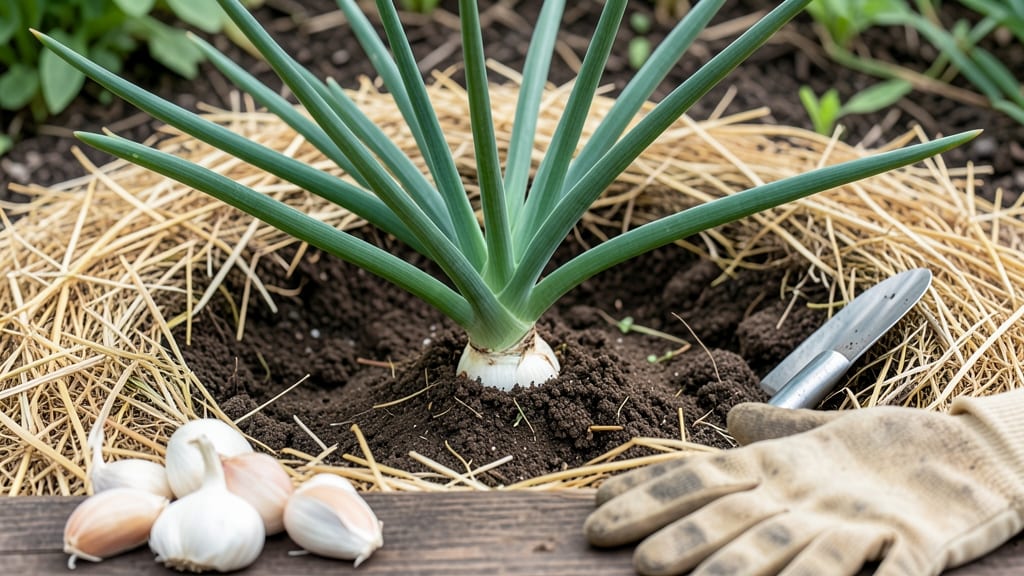
Planting garlic in California at the wrong time could mean missing out on a zero-frost harvest—but getting the timing right unlocks bold, flavorful bulbs that taste far better than anything you’ll find in stores.
The key lies in understanding your region’s microclimate, whether you’re in frost-prone inland valleys or milder coastal zones.
Most California gardeners plant garlic in October through December, but the exact window depends on your variety and location. Hardneck types thrive with a cold snap, while softneck varieties prefer milder winters.
With USDA zones 9-10 across the state, you’ve got flexibility—but rushing or delaying can lead to weak growth or even bulb rot.
In this guide, I’ll break down the perfect planting months for your area, including soil prep tips and post-planting care to ensure your garlic grows strong.
Whether you’re a coastal gardener or in the Central Valley, you’ll learn how to time it just right for a reliable harvest from June to August.
Ready to grow garlic that rivals the pros? Let’s dive into the best strategies for your California climate—no frost, no stress, just perfect bulbs.
Best planting months for garlic in California by hardiness Zone
California’s diverse climate means garlic planting times vary dramatically from coastal areas to the Central Valley. Unlike northern states, frost isn’t the main concern—heat and timing before summer dormancy are critical.
Most gardeners aim to plant 4–6 weeks before ground temperatures drop below 70°F, but coastal zones (like San Diego) can plant later than inland valleys (like Fresno).
Hardneck varieties (like ‘German White’) thrive in cooler inland zones, while softneck types (like ‘Artichoke’) handle coastal warmth better. The key is planting when days are short but nights stay mild—October through December covers 90% of California’s growing regions.
Here’s how to match your USDA Zone (5–10) to the perfect planting window:
| Zone | Best Planting Month | Key Consideration | Avoid Planting After |
|---|---|---|---|
| Coastal (9–10) | November–January | Soil temps >60°F; mild winters | February (summer heat stress) |
| Central Valley (8–9) | October–December | Cooler nights; frost risk Dec–Jan | January (frost damage) |
| Desert (7–8) | September–October | Extreme heat tolerance; early dormancy | November (soil too hot) |
| Mountain (5–6) | October–November | Short growing season; early frost | December (frost certainty) |
For coastal gardeners, January planting is still viable if you use shade cloth to protect from summer sun. Inland growers should plant by Thanksgiving to avoid winter chill, while desert regions can push planting to late October before soils cool too much.
Pro tip: Use a soil thermometer—garlic cloves need 50–60°F soil temps to sprout. If your soil is warmer than 70°F, wait 2–4 weeks before planting to prevent rot.
Hardneck varieties (like ‘Silverskin’) need cold vernalization (40–50°F nights) to form bulbs, so Central Valley gardeners should prioritize October plantings. Softnecks (like ‘California Early’) are more forgiving and can handle cooler coastal winters without stress.
Elevation matters too: Add 2–4 weeks to planting times for every 1,000 feet above sea level. For example, a Sacramento garden (elevation 25 ft) plants in early October, while a Lake Tahoe garden (elevation 6,200 ft) waits until mid-November.
Miss the ideal window? Don’t panic. January plantings still work in mild zones (like San Diego) if you use mulch to retain moisture and avoid summer water stress. Just expect smaller bulbs compared to fall-planted garlic.
Remember: Garlic’s growth cycle is tied to day length, not temperature. Plant when days are 10–12 hours long (October–December) to trigger bulb formation. Longer days in spring will signal harvest time.
🌱
How to time garlic planting for zero-frost success: a Step-by-Step guide
Timing your garlic planting in California isn’t just about picking a month—it’s about avoiding unexpected frost and giving bulbs 60-90 days of cool weather to develop properly.
Since California’s microclimates vary wildly (coastal chill vs. inland warmth), I’ll walk you through the exact steps to nail your planting window for zero-frost success, no matter where you garden.
First, check your local frost dates. Most inland valleys (like the Central Valley) see first frost between December 1 and January 15, while coastal areas rarely frost at all. Plant garlic 4-6 weeks before your first expected frost—this gives roots time to establish before winter sets in.
For example, if frost hits December 10, aim to plant by October 20-30.
- ✅ Step 1: Test Soil Temperature – Use a soil thermometer to confirm temps are 60-70°F. If above 70°F, wait 2-3 weeks.
- ✅ Step 2: Prep Your Soil – Amend with compost or aged manure for drainage; garlic hates soggy roots.
- ✅ Step 3: Choose Cloves – Pick plump, firm cloves from hardneck or softneck bulbs (avoid supermarkets—they’re often treated to prevent sprouting).
- ✅ Step 4: Plant at the Right Depth – Push cloves 2 inches deep, 4-6 inches apart, with the pointy end up.
- ✅ Step 5: Mulch Heavily – Cover beds with 4-6 inches of straw or leaves to insulate roots and suppress weeds.
- ✅ Step 6: Monitor Frost Risk – Use a frost calendar (like the one below) to adjust planting dates if late frosts are forecasted.
Pro tip: If you’re in Zone 10 (coastal), you can plant as late as January—but aim for October-November for the sweet spot. Inland gardeners should plant by Thanksgiving to avoid winter rains that rot bulbs.
And here’s a secret—planting near the full moon (when sap rises) can boost early growth, though it’s not critical.
After planting, water deeply once to settle soil, then let nature take over. Garlic is drought-tolerant once established, but a deep soak every 2-3 weeks keeps bulbs plump. Avoid overhead watering in winter to prevent fungal diseases like white rot, which thrives in wet conditions.
Finally, mark your calendar for harvest time (June-August)—but don’t pull bulbs too early! Wait until lower leaves turn brown and upper leaves stay green. If you harvest too soon, you’ll get small, pungent cloves instead of the bold, mellow bulbs California’s climate is famous for.