
Plants
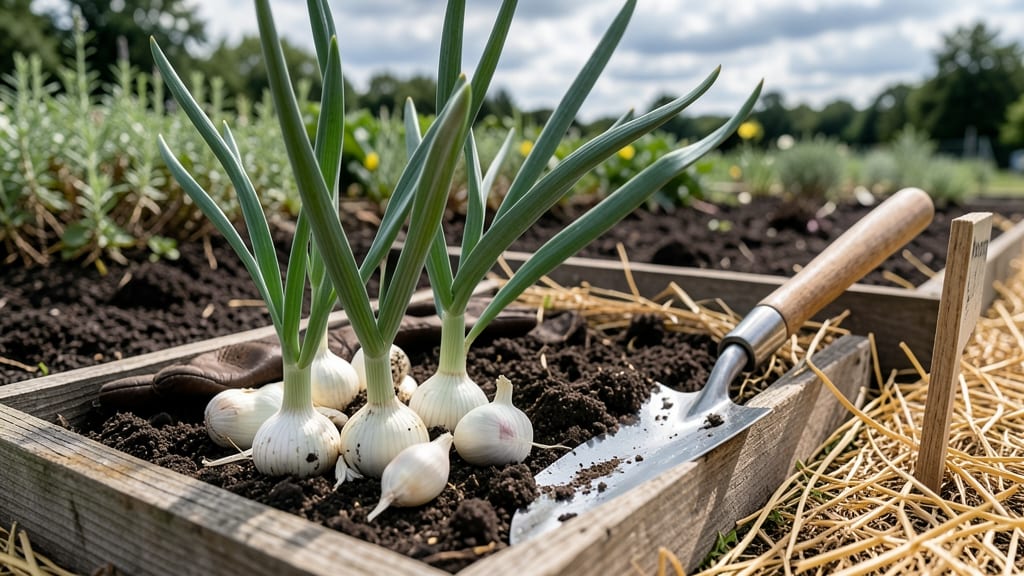
Planting garlic at the wrong time in Illinois can mean the difference between a bountiful harvest of 🧄 and wasted effort—especially when hardneck and softneck varieties demand very different timing.
If you're in USDA Zones 5a-6b, like most of Illinois, the ideal window is late September to October, when soil temps drop but frost hasn't arrived. This timing ensures your garlic establishes roots before winter while avoiding the risks of planting too early or too late.
Hardneck varieties, like 'Music' or 'German White', thrive in Illinois' cold winters, while softneck types need milder conditions. I'll break down the exact months for each, plus soil prep tips to set your garlic up for zero-frost success—no guesswork, just results.
Whether you're a first-time grower or a seasoned gardener, getting this right means healthier bulbs and a harvest ready by late June. Let’s make sure your garlic gets off to the perfect start.
Best planting months for hardneck vs softneck garlic in Illinois
In Illinois, where USDA zones 5a-6b dominate, timing your garlic planting is everything. Hardneck and softneck varieties thrive on opposite schedules—one needs winter chill, the other avoids it. Let’s break down the ideal windows to maximize your harvest.
Most Illinois gardeners swear by fall planting for hardneck varieties like ‘Music’ or ‘German White’. These need 4-6 weeks of cold to form bulbs, so aim for late September to October.
For softneck types like ‘Silverskin’, spring planting in March or April works better—they tolerate heat better but lack cold hardiness.
Here’s how Illinois’ frost dates shape your timeline: Plant hardnecks 4-6 weeks before the ground freezes (typically mid-November in Zone 5a, early November in Zone 6b). Softnecks? Wait until soil warms to 50°F+ in spring.
Pro tip: Check your last frost date (usually mid-October to early November) and count backward. Hardnecks need 120-150 days to mature—plant too late, and you’ll harvest small bulbs.
If you miss fall, don’t despair! Spring planting still works for softnecks, but hardnecks will flop. For a second chance, try August plantings—just mulch heavily to protect cloves from early freezes.
Soil temperature matters too. Hardnecks need 40-50°F soil at planting; softnecks prefer 50-60°F. Use a soil thermometer to avoid guessing—cold soil stunts growth, while warm soil can rot cloves.
Here’s the golden rule: Hardnecks = fall, softnecks = spring. Illinois’ climate rewards patience—plant early enough for winter chill, but not so early that cloves rot in soggy soil.
Ready to dive deeper? Let’s compare the two varieties side by side to pick the perfect fit for your garden.
| Variety | Best Planting Time | Key Notes for Illinois |
|---|---|---|
| Hardneck (e.g., 'Music', 'German White') | Late September–October (fall) | Needs 4-6 weeks of cold; plant 4-6 weeks before ground freezes. |
| Softneck (e.g., 'Silverskin', 'Artichoke') | March–April (spring) | Tolerates heat; plant when soil reaches 50°F+. |
| Both | August (backup option) | Use heavy mulch to protect from early freezes. |
Now that you’ve picked your variety, let’s talk moon phases and soil prep—because even the best timing fails without the right conditions. For hardnecks, aim to plant during a waxing moon (growing phase) to boost root development.
Illinois’ clay-heavy soils can be a challenge. Amend with compost or sand to improve drainage—waterlogged cloves rot faster than you can say “garlic gone bad.” A well-draining bed is non-negotiable.
One last tip: Label your rows! Hardnecks and softnecks look identical until harvest. Trust me, you’ll thank yourself next summer when you’re pulling plump, papery-skinned bulbs instead of confused little cloves.
With the right timing and prep, your Illinois garlic garden will be the talk of the neighborhood. Now go dig those cloves—your future harvest depends on it! 🧄
Best planting months for hardneck vs softneck garlic in Illinois
In Illinois, where USDA zones 5a-6b dominate, timing garlic planting is all about hardneck vs. softneck varieties—each thrives under different conditions. Hardneck garlic, the preferred choice for Illinois gardeners, needs a cold period to form bulbs, while softneck garlic is more flexible but still benefits from early planting.
Let’s break down the best windows to plant each type for a successful harvest.
For hardneck garlic, aim to plant between late September and mid-October. This gives the cloves time to establish roots before the ground freezes, typically around mid-November in Zone 5a or early November in Zone 6b.
Hardnecks need this cold snap to develop flavorful bulbs, so planting too late—like in November—risks stunted growth or poor bulb formation.
Softneck garlic, on the other hand, can handle a slightly later planting window, from mid-October to early November. Since softnecks don’t require vernalization (cold treatment), they’re more forgiving if you miss the ideal hardneck window. However, planting softnecks too late—like in December—can lead to weak starts and smaller yields. Both varieties can also be planted in early spring (March-April), but bulbs will be smaller and less flavorful.
| Variety | Best Planting Window | Why It Matters |
|---|---|---|
| Hardneck Garlic | Late September–Mid-October | Needs cold period for bulb formation; larger, flavorful bulbs. |
| Softneck Garlic | Mid-October–Early November | More flexible; no cold requirement but later planting reduces yield. |
| Both Varieties | Early Spring (March–April) | Smaller bulbs; less flavor; risk of bolting in summer heat. |
Adjust your planting timeline based on your last frost date. If you’re in Zone 5a, aim to plant by October 15 for hardnecks. In Zone 6b, you have until November 1.
Use a soil thermometer to confirm the ground is below 50°F—this signals it’s time to mulch and let winter do the work for you.
Pro tip: If you miss the fall window, don’t despair! Spring planting is still an option, but expect smaller bulbs and a higher risk of bolting (premature flowering). For best results, stick to fall planting and let Illinois’ winters work their magic on your garlic.
Once planted, focus on mulching with straw or leaves to insulate the cloves through winter. This protects them from freeze-thaw cycles and ensures strong growth when spring arrives. With the right timing, you’ll be harvesting plump, flavorful garlic by late June or July.