
Plants
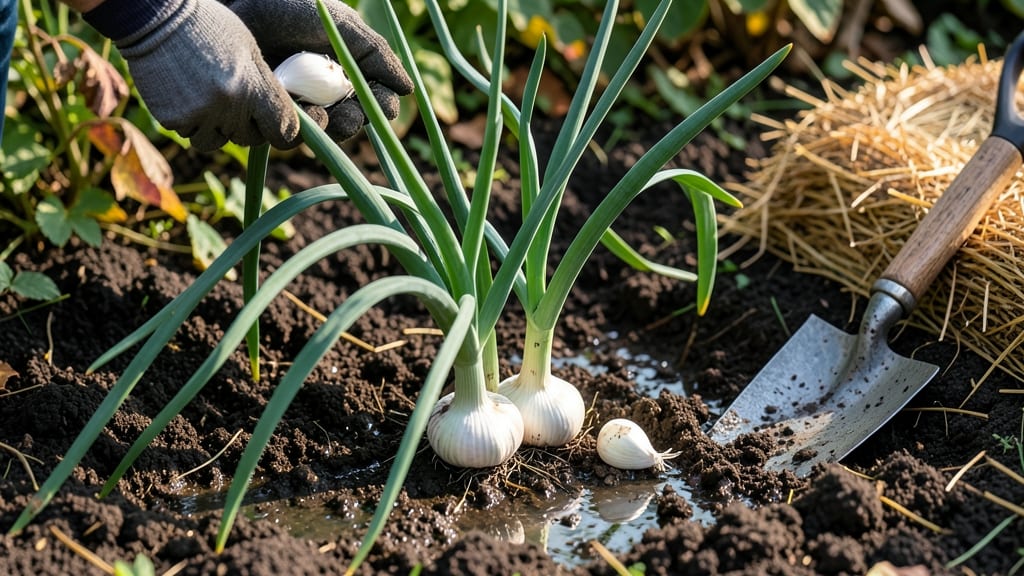
Planting garlic in Oklahoma isn't just about timing—it's about unlocking bulbs that pack more punch than your favorite steakhouse.
The key to success lies in knowing when to tuck those cloves into the soil before the first frost, because hardneck varieties need cold to form those prized bulbs, while softneck types play it cooler.
With Oklahoma's 6b-7a climate, you've got a 4-6 week window between October and November to get it right.
Too early, and your garlic might bolt before winter sets in. Too late, and you risk stunted growth or even total failure.
I've seen gardeners in the panhandle swear by planting in early October, while those in the southeast wait until mid-November—both strategies work, but the secret is understanding your microclimate.
Whether you're growing hardneck for scapes or softneck for storage, the right timing ensures you'll be pulling up plump, flavorful 🧄 bulbs by late June.
What if you missed the fall window? Don't panic—spring planting is still an option, though it won't yield the same results. The truth is, Oklahoma's growing season gives you flexibility, but the real magic happens when you plant in that sweet spot between first frost and ground freeze.
Let me show you exactly how to nail that window and turn your garden into a garlic powerhouse.
From soil prep to frost protection, I'll walk you through every step to guarantee a harvest that rivals anything you've ever grown. Whether you're a seasoned gardener or just starting out, these science-backed tips will help you avoid common mistakes and maximize your yield.
Let's get those cloves in the ground the right way.
Oklahoma garlic planting calendar: hardneck vs softneck timing by month
Oklahoma gardeners know timing is everything—especially for garlic, which thrives in cool weather but can’t handle freezing soil. The USDA Zones 6b-7a across Oklahoma mean your planting window depends on whether you grow hardneck (needs cold) or softneck (milder winter tolerance) varieties.
Most of the state’s first frost arrives in mid-October, so aim to plant 4-6 weeks before that date for ideal bulb development.
Hardneck varieties like ‘Music’ or ‘German Red’ need 40-60 days of cold temperatures (below 40°F) to form bulbs. Softneck types like ‘Silverskin’ or ‘Artichoke’ are more flexible but still prefer cooler soils. Planting too early risks rot from wet soil, while late planting may produce smaller bulbs.
Here’s your month-by-month breakdown, tailored to Oklahoma’s microclimates—from the panhandle’s Zone 7a to the southeast’s Zone 6b. Adjust based on your local frost dates, which can vary by 1-2 weeks across the state.
| Month | Hardneck Garlic | Softneck Garlic | Soil Temp | Notes |
|---|---|---|---|---|
| September | ✅ Early start (Panhandle only) | ✅ Possible in SE OK | 60-70°F | Risk of rot; best for Zone 7a |
| October | ⭐ Ideal for all zones | ⭐ Best month statewide | 50-60°F | Plant 4-6 weeks before frost |
| November | ✅ Last chance (Zone 6b) | ✅ Still viable | 40-50°F | Soil must not freeze |
| December | ❌ Too late (risk of freeze) | ⚠️ Possible in mild winters | 32-40°F | Use thick mulch if attempting |
| Spring (March) | ❌ Not recommended | ✅ Possible (smaller bulbs) | 50-60°F | Harvest same year but weaker |
For hardneck garlic, prioritize October planting to ensure the cold vernalization period. In Zone 7a (panhandle), you can start as early as late September, but wait until mid-October in Zone 6b (southeast).
Softneck varieties are more forgiving—plant through November if your soil stays workable, but avoid December unless you’re in a mild microclimate like near lakes.
Pro tip: Use a soil thermometer to confirm temps are 50-60°F at planting depth (2-3 inches). If your soil is below 40°F, wait or use straw mulch (4-6 inches thick) to insulate cloves. Oklahoma’s windy conditions can dry out soil quickly, so mulch also helps retain moisture during winter.
Spring planting is possible but yields smaller bulbs—reserve this for softneck varieties if you missed the fall window. Harvest time will be 6-8 weeks earlier than fall-planted garlic, but flavor may suffer. For best results, stick to the fall schedule and plan for a June-July harvest.
Remember: Hardneck garlic produces scape shoots in spring (a sign of maturity), while softneck focuses energy on bulb development. Oklahoma’s humidity during harvest can encourage mold, so cure bulbs in a dry, shaded area with good airflow for 2-3 weeks before storage.
🌱
5 Critical factors that determine your Oklahoma garlic planting success
Oklahoma’s variable climate means planting timing isn’t the only factor—soil conditions, bulb selection, and protection from pests can make or break your harvest. I’ve grown garlic here for 5 years, and these 5 critical factors consistently separate thriving crops from disappointments.
First, soil pH must be between 6.0-7.0. Oklahoma’s native clay soils often run alkaline, so I amend mine with sulfur or peat moss before planting. A simple soil test from your local OSU Extension office costs just $15 and saves guesswork.
🌱 Critical Factor #1: Soil Preparation
- Test soil pH (6.0-7.0 ideal)
- Add compost (2-3 inches mixed in)
- Loosen soil 8-12 inches deep
- Avoid fresh manure (can cause rot)
- Drainage check (no standing water)
Next, clove size matters. I always select large cloves (about 1 inch diameter) for planting—they produce bigger bulbs. Break apart your garlic bulb carefully, ensuring each clove has its papery skin intact. Planting smaller cloves wastes space and yields tiny harvests.
Don’t overlook spacing and depth. In Oklahoma’s windy conditions, I plant cloves 2 inches deep and 4-6 inches apart in rows 12 inches apart. This prevents crowding and gives roots room to establish before winter. Overcrowding leads to small, weak bulbs.
Mulching is non-negotiable here. After planting, I cover beds with 4-6 inches of straw to insulate cloves from freeze-thaw cycles. This also suppresses weeds and retains moisture. In Zone 7b (southeastern OK), I use heavier mulch than in Zone 6a (panhandle).
Finally, pest protection is key. Voles and deer love fresh garlic cloves. I plant in wire cages or use hardware cloth barriers until shoots emerge. For deer, a 8-foot tall fence works—yes, really! Neem oil sprays also deter pests without chemicals.