
Plants
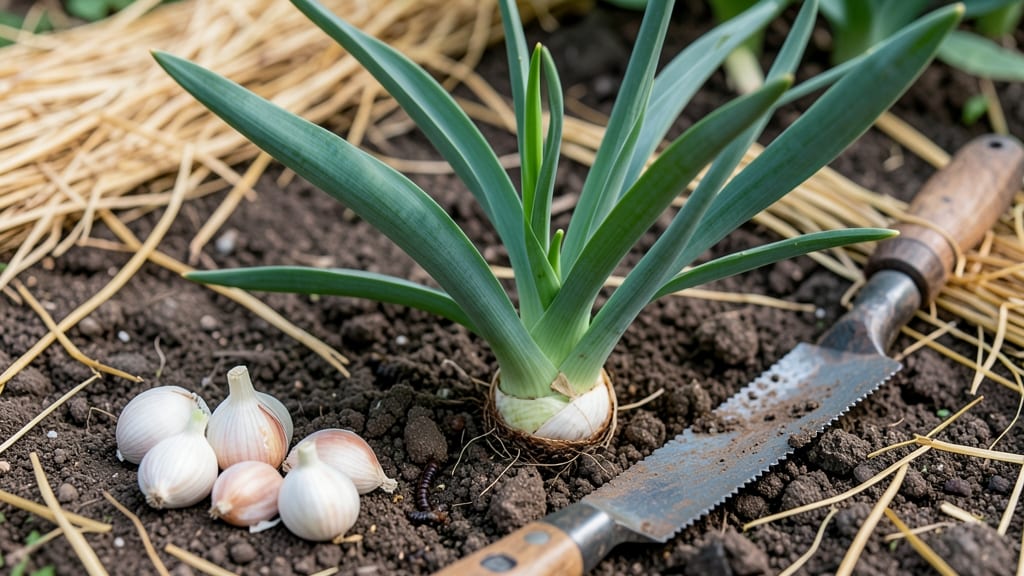
Planting garlic in New York at the wrong time could mean the difference between a bumper crop of plump 🧄 bulbs and wasted cloves. Unlike many crops, garlic thrives when planted early—typically in late fall—so you can take advantage of New York’s cold winters to jumpstart growth.
But here’s the catch: hardneck varieties, like Rocambole or Purple Stripe, need 6–8 weeks of cold to form big bulbs, while softneck types (like Silverskin) are more flexible.
Whether you’re in Zone 5 Upstate or Zone 7 NYC**, timing matters—miss it, and you’ll end up with smaller harvests or even no bulbs at all.
I’ll break down the exact planting windows for each variety, plus how to adjust for New York’s unpredictable frost dates. No more guessing—just proven strategies to maximize your harvest, even if you’re new to growing garlic.
Ready to grow garlic that rivals the flavor of your favorite Italian restaurant? Let’s get started with the perfect schedule for your garden.
Best planting windows for garlic in New York by variety type
New York gardeners know timing is everything—especially when planting garlic. The key difference lies between hardneck and softneck varieties, each requiring distinct schedules to thrive in NY’s USDA Zones 5-7.
Hardnecks, prized for their braiding stems, need an early fall start, while softnecks, better for storage, offer a slightly later window. Missing these timelines can shrink bulb size or invite rot from winter’s chill.
For hardneck garlic, plant between mid-October and early November in most of New York. This gives roots time to establish before the ground freezes, while the cloves avoid sprouting too early.
In Zone 5 (Upstate NY), aim for October 1-15—earlier than NYC’s Zone 7, where October 15-November 1 works better. Soil temps should hover around 40-50°F at planting time.
Softneck varieties, like Silverskin, are more forgiving. They tolerate planting up to mid-November, even in colder zones. This flexibility makes them ideal for late-season gardeners or those who missed the hardneck window.
However, planting softnecks after November 15 risks smaller bulbs, as they need 60-90 days of cold vernalization to form properly.
Here’s how New York’s microclimates affect timing:
| Variety Type | Ideal Planting Window (NY) | Soil Temp Requirement | Key Notes for NY Gardeners |
|---|---|---|---|
| Hardneck (e.g., Rocambole, Purple Stripe) | Mid-October to early November | 40–50°F (4–10°C) | Plant early to avoid winter sprouting; Upstate NY shifts earlier by 1–2 weeks. |
| Softneck (e.g., Artichoke, Silverskin) | October 15 to mid-November | 45–55°F (7–13°C) | Tolerates later planting; better for NYC’s warmer microclimates. |
| Both Types | Avoid planting after first frost | N/A | Cloves won’t root if soil stays frozen; aim for 4–6 weeks before ground freeze. |
If you’re in Zone 6 (e.g., Albany or Syracuse), err on the earlier side—October 1-15—to account for colder snaps. For Zone 7 (NYC, Long Island), you can push to November 1 without risking bulb size.
Always check your last frost date (typically November 15–December 1 in NY) and plant 4–6 weeks before the first hard freeze.
Pro tip: Use a soil thermometer to confirm temps. If soil is below 40°F, wait—garlic cloves won’t root in frozen ground. In clay-heavy NY soils, mix in compost or sand to improve drainage, which prevents rot during winter’s thaw cycles.
Hardnecks need cold vernalization (40–50°F for 60+ days) to form bulbs, so don’t plant them in spring—they’ll bolt to seed instead. Softnecks can handle spring planting in NY, but bulbs will be smaller and less flavorful without winter’s chill. For best results, stick to fall planting for both types.
One common mistake? Planting garlic too deep. Aim for 2 inches deep, with the pointy end up. In heavy clay soils, loosen the soil or plant in raised beds to prevent waterlogging, which causes cloves to rot over winter.
Finally, mark your calendar for harvest time: hardnecks mature in late June–July, while softnecks follow in August–September. But timing starts now—with the right fall planting window tailored to your corner of New York.
Best planting windows for garlic in New York by variety type
New York gardeners know timing is everything—especially for garlic, which thrives when planted at the right moment. The hardneck varieties (like Music or German White) and softneck varieties (like Silverskin) have different ideal planting windows, and missing them can shrink your harvest.
In New York’s USDA Zones 5-7, the key is planting before the ground freezes but after soil temps drop below 60°F.
For most of New York, the optimal planting window is between mid-October and early November. This gives cloves time to root before winter while avoiding the stress of late-season warmth.
Upstate areas (Zones 5-6) can push slightly later—even into early December—while NYC (Zone 7) should aim for mid-October to avoid mild winter thaws that can trigger early growth.
Hardnecks need cold vernalization (a period of winter chill) to form bulbs, so they must be planted 6-8 weeks before the first hard frost. Softnecks, however, are more flexible and can tolerate later planting—even as late as early December—though they may produce smaller bulbs.
The trade-off? Softnecks store longer, making them ideal for NY’s shorter growing seasons.
If you’re in Upstate New York (Zones 5-6), aim for late October to ensure cloves root before the ground freezes.
In NYC or Long Island (Zone 7), where winters are milder, you can extend planting until early December, but avoid planting after December 15—the risk of early growth from warm spells increases. Pro tip: Use a soil thermometer to confirm temps are below 60°F before planting.
Missed the window? Don’t panic. You can still plant garlic in early spring (March-April), but bulbs will be smaller and less flavorful. Spring-planted garlic is best for green garlic harvests or immediate use. For storage-quality bulbs, stick to the fall schedule—it’s worth the wait for plump, papery-skinned cloves!
One last tip: Break apart garlic bulbs into individual cloves just before planting. Larger cloves yield bigger bulbs, but avoid planting the center clove—it’s often smaller and produces weaker growth. Plant pointy-end up, 2 inches deep, and 4-6 inches apart for optimal spacing. 🌱