
Plants
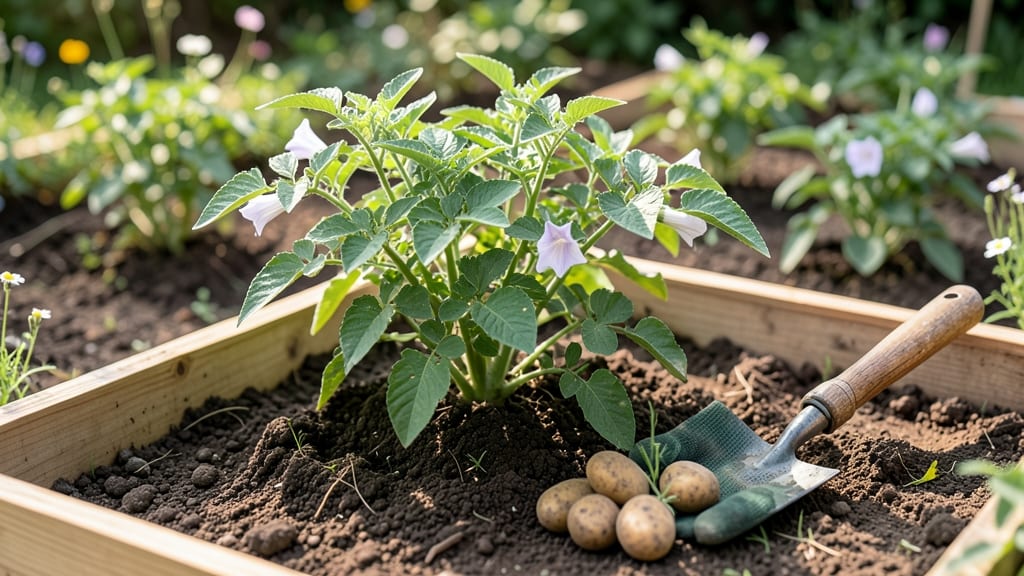
Planting potatoes in Idaho isn't a one-size-fits-all task—your elevation zone could mean the difference between a thriving harvest and wasted effort. Whether you're in Boise's lowlands or the high desert near Twin Falls, soil temperatures and frost dates shift dramatically, making timing everything.
I've learned the hard way that Idaho's diverse climate demands careful planning. The right window isn't just about the calendar; it's about waiting for soil to warm to 45°F and understanding how high-desert areas freeze faster than valleys. Let me show you exactly when to plant for your specific zone.
From early varieties that need to beat spring frosts to late-season potatoes that thrive in Idaho's cooler summers, we'll cover it all. You'll discover how to adjust planting dates based on your location, avoid common mistakes, and maximize your potato yield—whether you're growing 🥔 for fresh eating or storage.
Ready to turn your garden into a potato powerhouse? Let's dive into the science and strategies that work for Idaho gardeners at every elevation.
Idaho potato planting dates by elevation Zone (with frost risk charts)
Idaho’s three distinct elevation zones mean your potato planting window could shift by 4-6 weeks depending on where you live. Lowland areas like Boise (3,000–4,000 ft) have longer growing seasons, while mountain regions (6,000+ ft) face earlier frosts.
Getting this wrong can mean frost-damaged sprouts or missed harvests—so let’s break it down by zone.
First, check your last average frost date using Idaho’s USDA Plant Hardiness Zone Map. Most Idahoans fall between Zone 5 and Zone 7, but elevation trumps zone numbers here.
For example, McCall (Zone 5) at 5,000 ft has a last frost around May 15, while Twin Falls (Zone 7) at 3,500 ft averages May 1—a critical difference for 90-day varieties.
Soil temperature is just as critical as air temperature. Potatoes need consistent soil temps above 45°F to sprout reliably. Use a soil thermometer to confirm—cool mountain soils may need 2-3 weeks of warming before planting, even if frost dates suggest readiness.
Here’s how to align your planting with Idaho’s elevation-based frost windows, including ideal planting dates and harvest timelines for each zone:
| Elevation Zone | Last Frost Avg. | Planting Window | Soil Temp Threshold | Harvest Window |
|---|---|---|---|---|
| Lowland (3,000–4,000 ft) | April 20–May 5 | April 15–May 10 | 45°F+ (early April) | July 15–September 1 |
| Mid-Elevation (4,000–6,000 ft) | May 1–May 15 | May 1–May 20 | 45°F+ (late April) | July 30–August 20 |
| Highland (6,000+ ft) | May 15–June 1 | May 15–June 5 | 50°F+ (late May) | August 15–September 10 |
For lowland Idahoans, this means you can plant early potatoes (Yukon Gold, Red LaSoda) as soon as mid-April if soil warms quickly. But in mountain regions, waiting until after Memorial Day avoids frost risks entirely.
Pro tip: Use black plastic mulch to warm soil 5–10°F faster in cooler zones.
If you’re in Zone 6 or 7 (like Meridian or Nampa), consider a staggered planting strategy: Plant half your seeds in early May for a July harvest, and the rest in late May for a September crop.
This spreads out your harvest workload and reduces storage challenges.
One critical Idaho-specific tip: Watch for late-spring frosts in valley regions (like the Treasure Valley). Even after the average last frost, cold snaps can linger. Use frost cloth for the first 2–3 weeks after planting to protect young sprouts.
For high-elevation gardeners, focus on early-maturing varieties like ‘Early Rose’ or ‘Red Norland’, which can complete their life cycle in 75–85 days. These varieties align better with shorter growing seasons and earlier frosts in July.
Finally, don’t forget Idaho’s unique microclimates. A south-facing slope in Boise might warm 2 weeks earlier than a north-facing garden in Coeur d’Alene. Observe your garden’s sun exposure and wind patterns to fine-tune your planting schedule.
How to adjust planting for early vs late varieties in Idaho’s climate
Idaho’s short growing season and variable summers make choosing the right potato variety just as critical as timing. Early varieties like Yukon Gold or Red Pontiac mature in 90 days, while late varieties such as Russet Burbank need 120+ days.
Planting early potatoes too late or late varieties too early can leave you with underdeveloped tubers or blight risks.
For early varieties, aim to plant 2-3 weeks before your last frost date in lowland zones (3,000–4,000 ft). In mid-elevation (4,000–6,000 ft), delay by 1-2 weeks to avoid frost damage.
High-altitude gardeners should wait until soil reaches 45°F—often late May to early June—to ensure tubers develop before early fall frosts.
Late varieties thrive when planted 4-6 weeks earlier than early types, giving them a longer growing window. In Boise and Treasure Valley, start late potatoes by mid-April for a fall harvest before first frost (mid-October). In mountain regions, plant no earlier than late May to avoid late spring frosts that can stunt growth.
🌱 Pro Tip: Use Idaho’s frost-free maps from the University of Idaho Extension to refine your timing. For example, McCall (5,000 ft) has a shorter frost-free window than Nampa (2,000 ft), so late varieties may not mature fully if planted too early.
Here’s how to balance variety and timing for maximum yield in Idaho’s climate:
For mountain gardeners, consider container growing to extend the season. Pots warm faster in sunny microclimates and can be moved to protected spots if frost threatens. Always test soil temperature with a soil thermometer—potatoes won’t sprout until 45°F+, even if the air is warm.
🌿 Key Takeaway: Match your variety to your elevation and planting window. Early potatoes in lowlands, late potatoes in valleys, and short-season types in mountains ensure a reliable harvest despite Idaho’s unpredictable weather.