
Plants
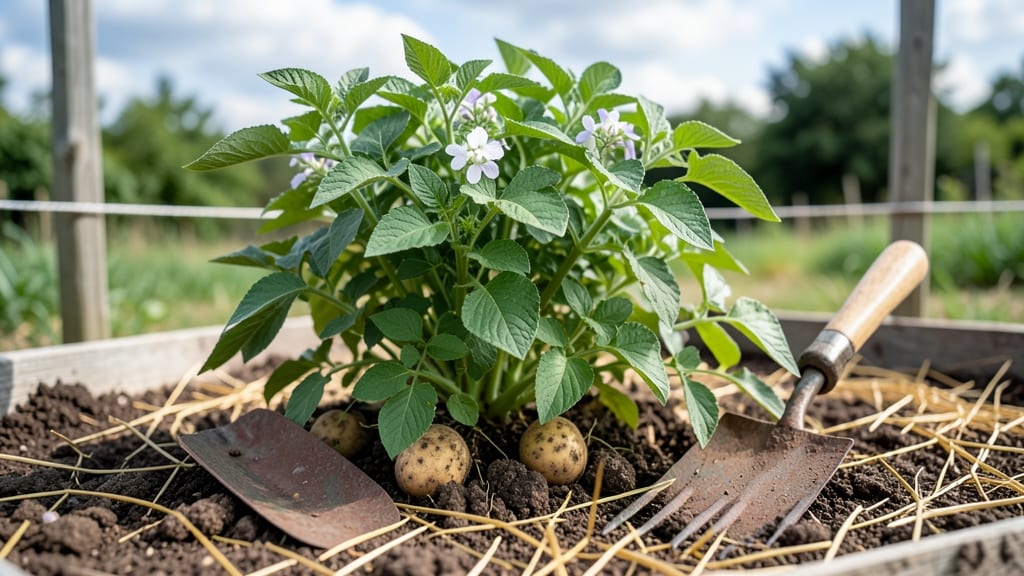
Planting potatoes in Missouri isn’t just about the calendar—it’s about catching that sweet spot when the soil warms up just right. If you’ve ever watched your sprouts wilt after a surprise frost or struggled with stunted growth, you’re not alone.
The key to zero-frost sprouts lies in understanding your local soil temperature cues, not just frost dates.
Missouri’s climate—spanning USDA Zones 5-6—means your planting window can shift dramatically from year to year. Too early, and a late frost will kill your 🥔 starts; too late, and you’ll miss the ideal harvest window.
But with the right tricks, like checking soil temps with a simple thermometer or using black plastic mulch, you can shave weeks off the waiting game.
I’ll break down the exact soil temperature thresholds (yes, it’s not what you think) and share Missouri-specific tips to extend your growing season. Whether you’re a first-time gardener or a veteran with a few failed attempts under your belt, these strategies will help you time your planting like a pro.
Ready to grow potatoes that thrive from seed to harvest? Let’s dive into the science—and the shortcuts—that make all the difference in Missouri’s unpredictable spring.
Missouri potato planting calendar: frost dates vs. soil temperature rules
Missouri’s USDA Zones 5-6 create a unique challenge for potato growers—late spring frosts can still threaten tender sprouts, while waiting too long risks a shorter harvest window.
The average last frost date in most of Missouri falls between April 15 and May 1, but soil temperature tells the real story. Unlike air temperature, soil warms gradually, and potatoes need consistent 40°F+ soil temps to thrive.
Here’s the golden rule: Plant potatoes when soil reaches 40°F and stays above 50°F for at least a week. This typically aligns with mid-April in southern Missouri (like Springfield) to late April in northern areas (like Columbia).
But don’t rely on guesswork—use a soil thermometer to confirm, especially after unpredictable springs.
For early varieties like ‘Yukon Gold’ or ‘Red Norland’, you can push the envelope slightly—planting as early as late March in protected beds with black plastic mulch. However, late varieties (e.g., ‘Russet Burbank’) need warmer soil and should wait until after May 1 in cooler regions like the Ozarks.
Missouri’s microclimates add another layer: the Bootheel’s warmer climate may allow planting by March 20, while the northern border near Iowa might delay planting until mid-May. Always check your local Missouri State Climate Office for 3-year averages to adjust your timeline.
| Region | USDA Zone | Avg. Last Frost | Ideal Planting Window | Soil Temp Threshold |
|---|---|---|---|---|
| Southern Missouri (Springfield) | Zone 6b | April 15 | Mid-April to early May | 40°F+ for 7+ days |
| Central Missouri (Columbia) | Zone 6a | April 22 | Late April | 45°F+ for 5+ days |
| Northern Missouri (Kansas City) | Zone 5b | May 1 | Late April to early May | 48°F+ for 7+ days |
| Bootheel (Poplar Bluff) | Zone 7a | March 20 | Late March to April | 40°F+ for 5+ days |
| Ozarks (Branson) | Zone 6a | April 25 | Early to mid-May | 50°F+ for 7+ days |
If your soil is still cold by the recommended planting window, try these tricks: cover the planting area with black plastic mulch 2-3 weeks before planting to raise soil temperature by 5-10°F.
Alternatively, plant in raised beds, which warm up faster than in-ground soil. For extreme late springs, opt for early-maturing varieties (60-75 days to harvest) to salvage a partial crop.
Pro tip: Chit your seed potatoes indoors 4-6 weeks before planting. Place them in a bright, cool spot (60°F) with the rose end up—this encourages early sprouting, giving you a 2-week head start on the growing season.
Just avoid letting them sprout too early, or the stems will be too long and fragile for transplanting.
Missouri’s short growing season means every day counts. By mastering soil temperature cues and adjusting for your microclimate, you’ll maximize tuber production and avoid the heartbreak of frost-killed sprouts. Next, we’ll dive into hill vs. trench planting methods and how to choose the best varieties for your region.
How to time potato planting for maximum yield in Missouri’s climate
Missouri’s short growing season demands smart strategies to stretch your potato harvest. The key? Start early with chitting—sprouting seed potatoes indoors 4–6 weeks before planting. Place them in a bright, cool spot (around 50–60°F) with sprouts facing up.
This head start ensures faster emergence once soil warms, giving you a 2–3 week advantage over unchitted potatoes.
For soil warming, use black plastic mulch to raise ground temperatures by 5–10°F faster than bare soil. Lay it down 1–2 weeks before planting to create a microclimate that triggers germination sooner.
In Missouri’s Zone 5–6, this can shave critical days off your timeline, especially in cooler springs like 2023’s delayed thaw.
🥔 Missouri Potato Planting Methods Compared
| Method | Planting Window | Yield Boost | Best For |
|---|---|---|---|
| Hill Method | Early April–mid-May | 20–30% more tubers | Loose, well-draining soil |
| Trench Method | Late April–early June | 15–25% larger tubers | Clay-heavy or wet areas |
💡 Pro Tip: Hill potatoes every 2–3 weeks to prevent greening and boost yield.
Choose early-maturing varieties like ‘Yukon Gold’ (70–80 days) or ‘Red LaSoda’ (60–70 days) to beat Missouri’s first frost, typically hitting by October 15–November 1. These varieties outperform late bloomers like ‘Russet’ in our shorter season.
For a second harvest, try ‘Early Girl’ (50–60 days) planted in late June—it matures before frost in most areas.
Missouri’s clay-heavy soils in regions like the Ozarks drain poorly, so amend with compost or sand before planting. In the Bootheel’s loamy soil, focus on mulching to retain moisture. Both methods improve tuber formation by reducing waterlogging, which causes rot. Test your soil’s pH (5.0–6.5)—potatoes hate acidity!
Space seed potatoes 12 inches apart in rows 30 inches wide for optimal airflow. Crowding stresses plants and invites blight, a common Missouri issue. If you’re short on space, try container growing with large pots (12+ inches deep) filled with well-draining mix.
Just ensure pots get 6+ hours of sun daily.
Monitor soil moisture—potatoes need 1–1.5 inches of water weekly, but avoid soggy soil. In Missouri’s humid summers, water early morning to prevent fungal diseases. Mulch with straw to conserve moisture and keep tubers clean. With these tricks, you’ll turn Missouri’s unpredictable climate into a potato-growing powerhouse! 🌱