
Companion Plants
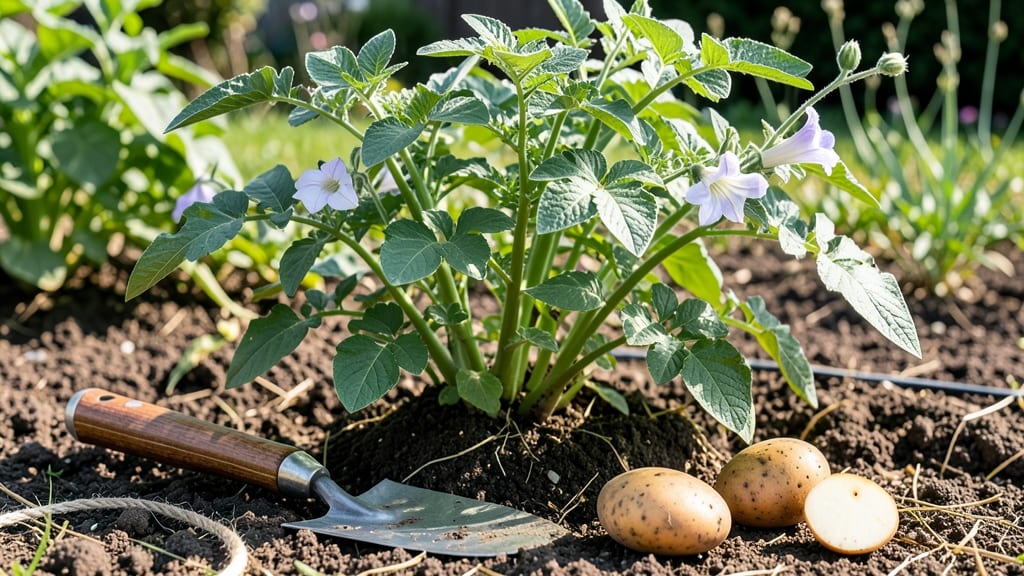
Planting potatoes in Pennsylvania at the wrong time can turn your 🥔 dreams into a soggy mess—especially when late frosts or cold soil stall growth.
The key to a thriving harvest lies in timing, and getting it right means the difference between a bucket of spuds and a garden full of disappointment.
With Pennsylvania’s diverse climate zones—like your 6a region—you can’t just follow a one-size-fits-all schedule. Whether you’re in the cooler north or warmer southern areas, knowing when to plant ensures your tubers develop properly before summer heat sets in.
I’ll break down the exact windows, soil prep secrets, and even how to spot when it’s finally safe to stick those seed potatoes in the ground.
Most gardeners in PA start as early as late February, but rushing too soon can lead to rot or stunted plants.
We’ll cover how to time it perfectly for both early and late varieties, so you’re not left guessing whether your July harvest will be worth the wait—or the work.
Ready to avoid the most common mistakes? Let’s dive into the best planting months, soil tricks, and signs your potatoes are actually ready to go in—so you can enjoy homegrown 🥔 success instead of second-guessing your timing.
Best planting months for potatoes in PA by hardiness Zone (exact schedule)
Pennsylvania spans USDA Zones 4-7, meaning your last frost date can vary dramatically—from early April in the south to late May in the north. For optimal tuber development, potatoes need 45°F (7°C) soil temperatures and frost-free conditions.
Timing is everything: plant too early, and frost will kill your sprouts; too late, and you’ll miss the 90-day growth window for most varieties.
Most Pennsylvania gardeners aim to plant 2-4 weeks before the last frost date. In Zone 6a (central PA), that’s typically mid-to-late March. For Zone 4 (northwest PA), wait until late April, while Zone 7 (southeast PA) can start as early as February under row covers.
Always check your local Almanac frost dates—they’re your best guide.
Soil temperature is more critical than calendar dates. Use a soil thermometer to confirm 45°F (7°C) at a 4-inch depth. Cold soil slows germination, leading to uneven sprouts and poor yields. If your soil is still chilly, plant in containers or use black plastic mulch to warm it faster.
Here’s your zone-by-zone planting schedule for Pennsylvania, including soil temp thresholds and frost risk factors to avoid:
| USDA Zone | Last Frost Date | Ideal Planting Window | Soil Temp Threshold | Frost Risk |
|---|---|---|---|---|
| Zone 4 (NW PA) | Late April | Late April - Early May | 45°F (7°C) | High (wait until soil warms) |
| Zone 5 (Central PA) | Mid-April | Mid-to-Late March | 45°F (7°C) | Moderate (use row covers) |
| Zone 6a (Central PA) | Early April | Mid-to-Late March | 45°F (7°C) | Low (if soil is warm) |
| Zone 7 (SE PA) | Mid-March | February - Early March | 45°F (7°C) | Very Low |
For Zone 6a gardeners (like me!), I plant Yukon Golds in early March under frost cloth and Russet Burbanks in late March once the soil hits 45°F. The 10-day difference ensures both varieties mature before our first fall frost in mid-October.
Pro tip: Plant in blocks, not rows, for easier harvesting and to maximize space.
If you’re in Zone 4 or 5, consider starter potatoes—sprouted seed potatoes planted in containers or cold frames—to jumpstart growth. These can go in the ground 2 weeks earlier than regular seed potatoes.
Just avoid direct planting in cold, wet soil, which causes rot and poor germination.
One common mistake? Planting too late for late varieties like Kennebec. These need 110-120 days to mature, so if you miss the May 1 deadline in Zone 5, you’ll harvest small, underdeveloped tubers. Always check your variety’s days-to-maturity and work backward from your first frost date.
For container growing, aim to plant 4-6 weeks earlier than in-ground potatoes. Containers warm up faster, but they also dry out quicker—so water deeply every 2-3 days and use well-draining potting mix. My 5-gallon buckets produce 2-3 pounds of potatoes per season, perfect for patios or small spaces.
Finally, don’t forget succession planting! In Zone 6a and 7, you can plant a second crop in early June for a fall harvest. Choose early-maturing varieties like Red Pontiac (60 days) to avoid late-season blights. Just be ready to harvest before frost—
How to adjust planting time for early vs late varieties in Pennsylvania
Choosing the right potato variety for your Pennsylvania garden isn’t just about taste—it’s about timing. Early-maturing potatoes like Yukon Gold (60-90 days) need to hit the ground 2-4 weeks before your last frost date, while late-maturing varieties such as Russet Burbank (110-120 days) can wait until late April or early May for optimal growth.
In PA’s Zone 6a, where last frosts often linger until mid-April, planting early varieties too late risks stunted tubers before summer heat arrives. Meanwhile, late varieties planted too soon may rot in cold, damp soil.
The key is matching your variety’s maturity timeline to your region’s frost-free window.
For example, if you’re growing Red Pontiac (90 days), aim for a March planting to harvest by early July. But if you’re saving space for fall crops, Kennebec (110 days) planted in late April will reward you with harvests stretching into September.
Here’s how to align your planting with PA’s climate zones and variety needs:
| Variety Type | Days to Maturity | Best Planting Window (PA) | Harvest Window | Soil Temp Threshold |
|---|---|---|---|---|
| Early (New Potatoes) | 60-90 days | Late Feb–Early April | June–Early July | 45°F (7°C) |
| Mid-Season | 90-110 days | Early April–Mid-May | July–August | 50°F (10°C) |
| Late (Storage) | 110-120 days | Late April–Early June | August–September | 55°F (13°C) |
Pro tip: In cooler PA zones (like Zone 4-5), consider container growing for early varieties. Smaller pots warm up faster, letting you start 2-3 weeks earlier than in-ground planting. Just ensure your containers have drainage—no one wants waterlogged spuds!
For late varieties, extend your harvest by planting a second crop in June. Choose heat-tolerant types like Sweetheart potatoes, which thrive in PA’s summer heat and produce tubers before the first frost. This two-pronged approach maximizes your yield and keeps your kitchen stocked from June through October.
Remember: Soil temperature matters more than calendar dates. Use a soil thermometer to confirm your planting window—cold soil slows germination, even for late varieties. Aim for 50°F (10°C) for mid-season potatoes and 55°F (13°C) for late varieties to avoid rot and ensure strong tuber formation.