
Plants
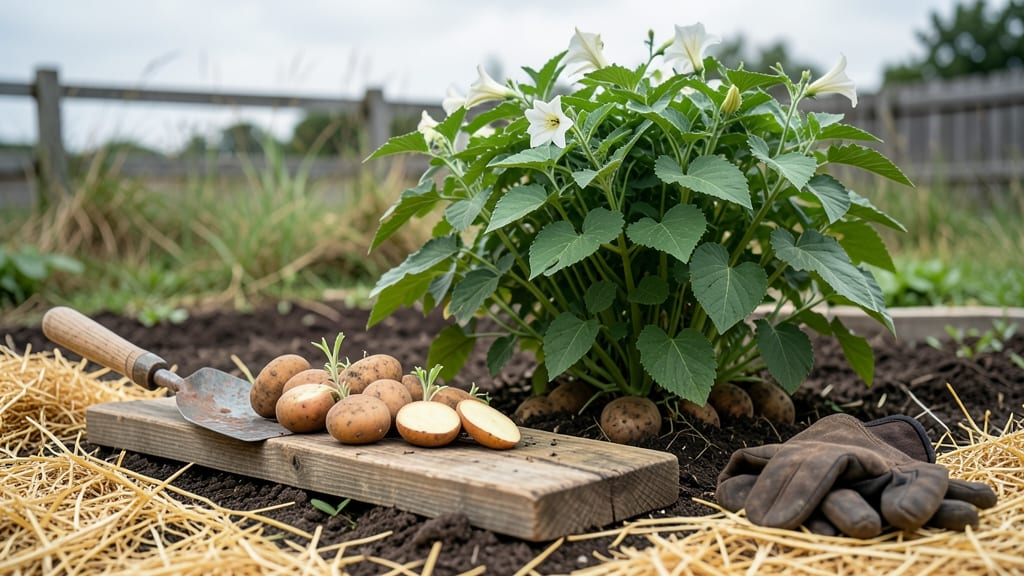
Planting potatoes in Pennsylvania at the wrong time can mean the difference between a bountiful harvest of crisp, golden spuds and a sad, shriveled mess in your garden.
The key to success lies in understanding your USDA zone—because those 4-6 weeks before the last frost aren’t just a suggestion, they’re your golden ticket to tuber heaven.
Most Pennsylvania gardeners fall into Zones 5-7, where soil temperatures and frost dates create a delicate balance. Too early, and you risk frost damage to tender sprouts; too late, and your potatoes won’t mature before summer’s end.
But with the right timing—like planting as soon as soil is workable in early spring—you’ll set your crop up for success, even if Mother Nature throws a late cold snap your way.
I’ve learned the hard way that rushing or waiting too long can turn a promising potato patch into a disappointment. Whether you’re a seasoned gardener or just starting, knowing when to plant in Pennsylvania’s climate is the first step to a reliable harvest.
Let’s break down the exact windows and strategies to make sure your 🥔 plants thrive.
From choosing the right varieties to adjusting for unpredictable spring weather, we’ll cover everything you need to know. By the end, you’ll have a clear plan to get your potatoes in the ground at the perfect moment—so you can enjoy homegrown spuds from mid-summer through fall.
Best planting times for potatoes in Pennsylvania by USDA Zone
Timing your potato planting in Pennsylvania isn’t just about the calendar—it’s about understanding your USDA zone, soil temperature, and frost dates. Since PA spans Zones 5-7, your ideal window varies slightly.
For Zone 5 (western PA), aim for late March to early April, while Zone 6 (central) and Zone 7 (southeastern) can start as early as mid-March. The key is planting 4-6 weeks before your last frost date, which typically falls around April 15.
Potatoes thrive when soil temperatures reach 45°F (7°C). Use a soil thermometer to confirm—cold soil delays sprouting and invites rot. In colder microclimates, like mountain regions, wait until mid-April or use black plastic mulch to warm the soil faster.
Pro tip: Chit your seed potatoes (sprout them indoors) 2-3 weeks before planting to jumpstart growth.
Here’s the golden rule: Never plant potatoes in frozen or waterlogged soil. Both conditions stunt roots and attract pests like wireworms and colorado potato beetles. If your spring is wet, opt for raised beds with sandy loam to improve drainage.
🥔 Pennsylvania Potato Planting Timeline by USDA Zone
| Zone | Ideal Planting Window | Soil Temp Requirement | Last Frost Date | Notes |
|---|---|---|---|---|
| 5 (e.g., Erie, Pittsburgh) | Late March–Early April | 45°F (7°C) | April 15–May 1 | Use row covers for late frosts |
| 6 (e.g., Harrisburg, State College) | Mid-March–Mid-April | 45°F (7°C) | April 1–April 15 | Best for early varieties |
| 7 (e.g., Philadelphia, Lancaster) | Early March–Early April | 45°F (7°C) | March 20–April 10 | Can plant as early as February under cover |
🌱 Pro Tip: For a continuous harvest, stagger plantings every 2 weeks.
Why does timing matter so much? Potatoes need 90-120 days to mature, and planting too late risks early blight or tubers developing green skin (toxic solanine) from heat stress. Conversely, planting too early in cold soil leads to rotten seed potatoes or slow, leggy growth. Balance is key!
For Zone 7 gardeners, you can even try a late-winter planting (February) using a cold frame or greenhouse. This extends your harvest window but requires monitoring for aphids and late blight.
If you’re new to this, start with early-maturing varieties like Red Norland or Yukon Gold for forgiving timelines.
One common mistake? Waiting until the soil is "dry enough" to work. Potatoes prefer moist, loamy soil—not bone-dry. Amend your beds with compost or well-rotted manure before planting to improve water retention.
Test your soil’s pH too; potatoes thrive in 5.0–6.5. If your soil is acidic, add lime in the fall.
Don’t overlook succession planting. After your first harvest in July, replant with late-season varieties like Kennebec for a fall harvest before the first frost (October 20). This doubles your yield and keeps your kitchen stocked!
For urban gardeners with limited space, consider container growing. Use 5-gallon buckets or fabric grow bags, and plant early varieties like Adirondack Blue (70 days to harvest). Just ensure containers have drainage holes and you’re planting by mid-April to avoid stunted growth.
Finally, keep an eye on your local almanac or Penn State Extension updates for unusual weather patterns. In 2023, some PA gardeners lost early plantings to late April frosts. When in doubt, delay planting—potatoes are resilient and will catch up if given stable conditions.
How to adjust planting for Pennsylvania’s unpredictable spring weather
Pennsylvania’s spring weather is famously unpredictable—one day it’s 60°F and sunny, the next a 20°F frost. This variability can throw off even the most careful planting schedule. The key is flexibility: knowing how to adapt when Mother Nature throws curveballs like late frosts or unseasonably warm spells.
For potatoes, which thrive in cool soil (40-50°F) but can’t handle frost, timing is everything. If you plant too early and hit a cold snap, your seed potatoes may rot. Plant too late, and your harvest could suffer from heat stress or shorter daylight hours.
The solution? Use a mix of soil thermometers, row covers, and backup planting dates to stay ahead of the weather.
🌱 Pro Tip: Start seed potatoes indoors in biodegradable pots 4-6 weeks before your target outdoor planting date. This gives you a head start if outdoor conditions are still too cold. Just remember to harden them off before transplanting!
Watch Out for Late Frosts!
Pennsylvania’s last frost can vary by 2-3 weeks depending on your location. In Zone 5 (e.g., Pittsburgh), average last frost is April 15, but in Zone 7 (e.g., Philadelphia), it’s closer to April 22. Always plant 4-6 weeks before your local last frost date to account for surprises.
Action Step: Use the National Weather Service’s frost calendar for your county, or check with your local Cooperative Extension office for hyper-local advice.
If a late frost hits after you’ve planted, don’t panic. Potatoes are surprisingly resilient. Use frost blankets or row covers to protect tender shoots until temperatures stabilize. These lightweight fabrics trap heat and can raise soil temperatures by 5-10°F, giving your plants a fighting chance.
For gardeners in northern PA (Zone 5), consider planting a second crop in late June or early July. Choose early-maturing varieties like ‘Early Red’ or ‘Yukon Gold’ and harvest before the first frost. This strategy extends your growing season and maximizes your potato yield.
🌡️ Soil Temperature Matters: Potatoes won’t sprout until soil reaches 40°F. Use a soil thermometer to monitor conditions. If it’s still below 45°F, wait a week or two—rushing can lead to rot. Patience pays off with stronger, healthier plants!