
Plants
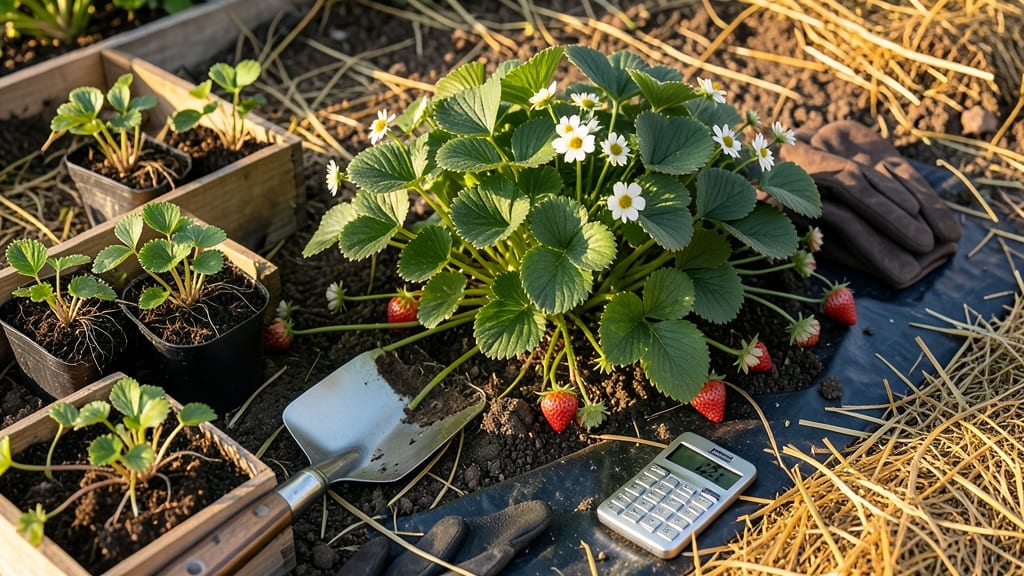
Planting strawberries at the wrong time in Zone 7 can mean the difference between a bountiful harvest and a disappointing patch of green leaves.
The secret to sweet, juicy 🍓 berries lies in knowing exactly when to put those plants in the ground—and the best months might not be what you expect.
Most gardeners assume spring is the only option, but fall planting actually gives strawberries a head start in Zone 7’s mild climate. With the right timing, you can enjoy harvests from both spring and fall plantings.
Let me show you the exact windows that work best for your region’s unique conditions.
Whether you’re starting with bare-root plants or potted strawberries, the key is understanding soil temperatures and frost risks. I’ll walk you through the step-by-step process, including how to prepare your garden for maximum success. Ready to grow strawberries that taste like summer all year round?
From soil prep to post-planting care, I’ll cover everything you need to know to avoid common mistakes that ruin harvests. Let’s get those strawberries thriving in your Zone 7 garden!
Best planting months for strawberries in Zone 7 (and why timing matters)
Zone 7 gardeners enjoy a long growing season perfect for strawberries, but timing your planting window makes all the difference. March and April are ideal for spring planting, while late summer (August) works for fall varieties.
The key is avoiding late frosts (typically after March 15) while ensuring soil warms to 40°F+ for root growth.
Strawberries fall into three categories: June-bearing (one big harvest), everbearing (two harvests), and day-neutral (continuous production). June-bearing varieties planted in spring yield best, while everbearing/day-neutral types can handle fall planting for extended harvests. Coastal Zone 7 areas (like Virginia Beach) may plant 2 weeks earlier than inland regions (like Raleigh).
Soil temperature is critical—roots need 40-50°F to establish, while shoots thrive at 60°F+. Use a soil thermometer to check depth (4-6 inches). If planting in fall, aim for 6-8 weeks before first frost (typically by August 15) to allow root establishment before dormancy.
| Planting Window | Best Varieties | Soil Temp Requirement | Frost Risk |
|---|---|---|---|
| Early Spring (March-April) | June-bearing (Chandler, Jewel) | 40-50°F for roots | Low after March 15 |
| Late Summer (August) | Everbearing (Seascape), Day-Neutral (Albion) | 50-60°F for root growth | Moderate (plant 6-8 weeks before first frost) |
| Fall (September) | Day-Neutral (Tristar) | 50°F minimum | High (avoid unless hardy) |
Zone 7’s microclimates matter—coastal areas (like North Carolina’s Outer Banks) can plant 2-3 weeks earlier than inland Piedmont regions. Use row covers if planting in late March to protect from late frosts. For container growing, plant 2 weeks after outdoor beds to extend the season.
Bare-root plants are cheaper and hardier but must be planted immediately upon arrival. Potted strawberries offer flexibility—plant them anytime soil is workable. Soak bare-root plants for 1-2 hours before planting to rehydrate roots. Space plants 12-18 inches apart in rows 3 feet apart for airflow.
Everbearing varieties like Seascape produce two harvests: one in early summer and another in fall. Plant these in late summer (August) to catch both seasons. Day-neutral types (like Albion) fruit continuously but need consistent warmth, making spring planting ideal for Zone 7’s climate.
Mulch heavily with straw or pine needles after planting to retain moisture and suppress weeds. In Zone 7’s humid summers, mulch also prevents fruit rot. Avoid plastic mulch—it traps heat and can burn roots. For fall-planted strawberries, use 4-6 inches of mulch to insulate roots during winter.
Monitor for spider mites and slugs, common in Zone 7’s heat and humidity. Apply neem oil preventatively in spring and diatomaceous earth for slugs. Drip irrigation keeps foliage dry, reducing fungal diseases like gray mold. Water at soil level in the morning to prevent evening dampness.
Strawberries planted in spring yield best in June-July, while fall-planted varieties fruit in October-November. Extend harvests by planting successive batches every 2 weeks in spring. With proper timing, Zone 7 gardeners can enjoy fresh strawberries for 4+ months—from June through November!
Best planting months for strawberries in Zone 7 (and why timing matters)
Zone 7 gardeners have two prime windows to plant strawberries: early spring (March-April) and late summer (August). These timing options align perfectly with the region’s 180 frost-free days and mild winters, giving plants ample time to establish roots before extreme temperatures arrive.
The key is avoiding planting when soil temperatures dip below 45°F (7°C), which can stunt root growth.
Spring planting (March-April) gives you a June-July harvest, while fall planting (August) extends your season into October-November. Everbearing varieties planted in spring may produce two harvests—one in summer and another in fall.
Day-neutral varieties, on the other hand, thrive with either timing and produce continuously throughout the growing season.
For June-bearing strawberries, spring planting is critical—they need 60-75 days of warm weather to mature fruit. In Zone 7, planting after April 15 risks poor yields due to summer heat stress.
Coastal areas (like Virginia Beach) can plant slightly later than inland Piedmont regions (like Charlotte), where nights cool faster.
If you miss the spring window, don’t despair—bare-root plants can handle fall planting in August, provided they’re established before first frost (typically mid-November in Zone 7). Potted strawberries, however, should only be planted in spring to avoid transplant shock from summer heat.
Mulch heavily after planting to protect roots from Zone 7’s temperature swings between day and night.
Pro tip: Test your soil’s pH (5.5-6.5) before planting—Zone 7’s clay-heavy soils often need compost or sulfur to optimize strawberry growth. A simple soil test kit (available at garden centers) makes this easy.
Once planted, keep soil consistently moist but never waterlogged, especially during Zone 7’s humid summers when fungal diseases like gray mold thrive.
For container growers, March planting is safest—containers heat up faster and can scorch roots if planted in late summer. If you’re experimenting with strawberry towers or hanging baskets, use black plastic-lined containers to protect roots from temperature extremes.
Remember: Day-neutral varieties like 'Albion' or 'Seascape' are your best bet for extended harvests when planted in either spring or fall.