
Plants
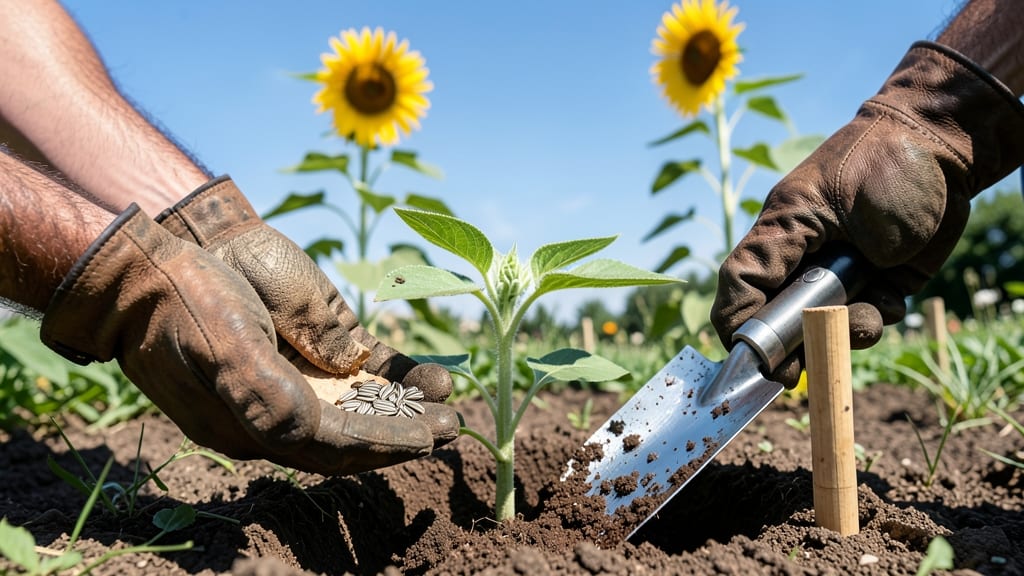
Planting sunflower seeds in Michigan isn’t just about grabbing a packet and sticking it in the ground—it’s about catching that sweet spot between frost and heatwaves to avoid bolting and ensure those towering 🌻 blooms you dream of.
If you’ve ever watched your sunflowers bolt before summer even peaks, you know the frustration. Michigan’s 5b-6b climate throws curveballs with its unpredictable last frost dates (usually mid-April), and planting too early or too late can mean the difference between a thriving garden and wasted seeds.
Here’s the secret: timing your sunflower seeds for mid-April to late June—after the last frost—gives them the best shot at maturing before summer’s heat triggers early flowering. But with Michigan’s regional variations, even that window can shift.
Let’s break down the exact weeks to plant, how to adjust for your specific corner of the state, and which sunflower varieties hold up best when the heat ramps up. Your perfect sunflower display starts with these precise planting strategies.
Michigan sunflower planting calendar: exact weeks before heatwaves to avoid bolting
Michigan’s last frost dates vary dramatically—from mid-April in southern Michigan to late May in the Upper Peninsula. Planting sunflower seeds too early risks frost damage, while waiting too long triggers bolting (premature flowering) before summer’s peak.
The sweet spot? Start seeds 2-4 weeks after your area’s last frost, when soil temperatures hit 50°F or warmer. For most of Michigan, this means mid-April to early June, but timing shifts northward.
Sunflowers thrive on long, warm days, so aim for 8-12 weeks before your first fall frost (typically mid-October). In southern Michigan, this translates to planting by late June for late-summer blooms, while northern regions can extend planting into early July for shorter growing seasons.
The key is balancing warmth and daylight to avoid stunted growth or bolting.
🌱
| Region | Last Frost Date | Ideal Planting Window | Risk of Bolting |
|---|---|---|---|
| Southern Michigan (Detroit, Grand Rapids) | Mid-April | April 20 – June 15 | Low (longer growing season) |
| Central Michigan (Lansing, Kalamazoo) | Late April | May 1 – June 10 | Moderate (watch for early heatwaves) |
| Northern Michigan (Traverse City, Marquette) | Early May | May 15 – June 5 | High (short season) |
| Upper Peninsula (Iron Mountain, Sault Ste. Marie) | Late May | June 1 – June 15 | Very High (limited time) |
For gardeners in USDA Zone 5b (northern Michigan), prioritize fast-maturing varieties like ‘Teddy Bear’ (50-60 days) or ‘Moulin Rouge’ (60-70 days). These tolerate cooler soils and shorter seasons better than tall standard varieties, which need 90+ days to reach full height.
In Zone 6b (southern Michigan), you can experiment with late-summer varieties like ‘Autumn Beauty’ for October blooms.
Heatwaves are the biggest threat to Michigan sunflowers. If temperatures exceed 90°F for 3+ days, plants may bolt prematurely, producing small, underdeveloped flowers. To mitigate this, plant heat-tolerant varieties like ‘Russian Giant’ (if given enough time) or use shade cloth during extreme heat.
Succession planting—sowing seeds every 2 weeks from May to June—ensures a steady supply of blooms and reduces bolting risks.
Soil temperature is just as critical as air temperature. Use a soil thermometer to confirm 50°F+ before planting. Cold soils slow germination and invite rot. If your soil is still chilly, warm it with black plastic mulch or a cold frame for 1-2 weeks before sowing.
This trick extends the planting window by 10-14 days, especially in northern Michigan.
Direct-sowing is ideal for sunflowers—they hate transplanting. Drop seeds 1 inch deep and 6 inches apart, then thin seedlings to 12-24 inches apart (depending on variety). For container gardening, use large pots (minimum 12-inch diameter) and plant 1-2 seeds per pot.
Containers dry out faster, so monitor soil moisture closely during Michigan’s dry summer spells.
🌻
Pro tip: Mark your calendar for July 4th weekend—this is the last safe window for direct-sown sunflowers in most of Michigan. After this, focus on container-grown or greenhouse-started plants to extend the season.
For late blooms in October, start seeds indoors in early May and transplant after the last frost, giving them a head start on warmth.
Remember, Michigan’s microclimates can shift planting windows by weeks. Observe your local patterns: Does your yard stay frost-free 1-2 weeks earlier than the average? Adjust accordingly! The goal is 80-100 days of growth before frost—plan your sunflower schedule around that timeline.
How to adjust sunflower planting for Michigan’s unpredictable weather patterns
Michigan’s weather can shift from freezing nights to 90-degree heatwaves faster than you can say “sunflower.” That’s why my go-to strategy is adjusting planting times based on soil temperature and forecasted heat.
Most sunflower seeds need soil temps of 50°F+ to sprout reliably, so I always check with a soil thermometer before planting. If your soil is still chilly in early April, hold off—those seeds will rot instead of grow!
For gardeners in northern Michigan (UP), where springs are colder, I recommend waiting until late May to plant. In southern Michigan (Lower Peninsula), you can start as early as mid-April, but always plant after the last frost date.
Pro tip: Use a cold frame or black plastic mulch to warm the soil faster if you’re eager to plant early.
Here’s the biggest mistake I see: planting sunflowers too late and hoping for the best. If you miss the May-June window, your plants may bolt prematurely (flower too early) before reaching their full height.
To avoid this, I plant succession crops every 2-3 weeks from April through June. This ensures a continuous bloom from summer to fall, even if the weather throws curveballs.
🌱 5 Warning Signs Your Sunflowers Are Bolting Too Soon
- Leaves yellowing before reaching 12 inches tall
- Stems elongating rapidly (growing >1 inch/day)
- Bud formation before 60 days after sprouting
- Flowers opening in July or early August (instead of September)
- Seed heads drying before reaching full size
💡 Fix it: Move plants to partial shade if possible, reduce watering slightly, and avoid nitrogen-heavy fertilizers.
If you’re worried about heat stress, choose late-season varieties like ‘Autumn Beauty,’ which tolerates cooler temps better than ‘Moulin Rouge.’ I also recommend planting near tall crops (like corn) to provide shade during peak afternoon heat.
For container growers, use large pots (10+ gallons) to stabilize soil temps and add mulch to retain moisture.
For extended growing seasons, try fall planting in early July. While sunflowers won’t mature as large, they’ll still produce smaller but beautiful blooms and seeds. Just be sure to harvest before frost—Michigan’s first frost can hit as early as mid-October in the UP!
Finally, keep an eye on the 7-day forecast before planting. If hot weather (>85°F) is predicted within 10 days of sowing, delay planting by 1-2 weeks. Sunflowers are heat-tolerant, but their roots need time to establish before the real summer heat arrives.