
Flowers
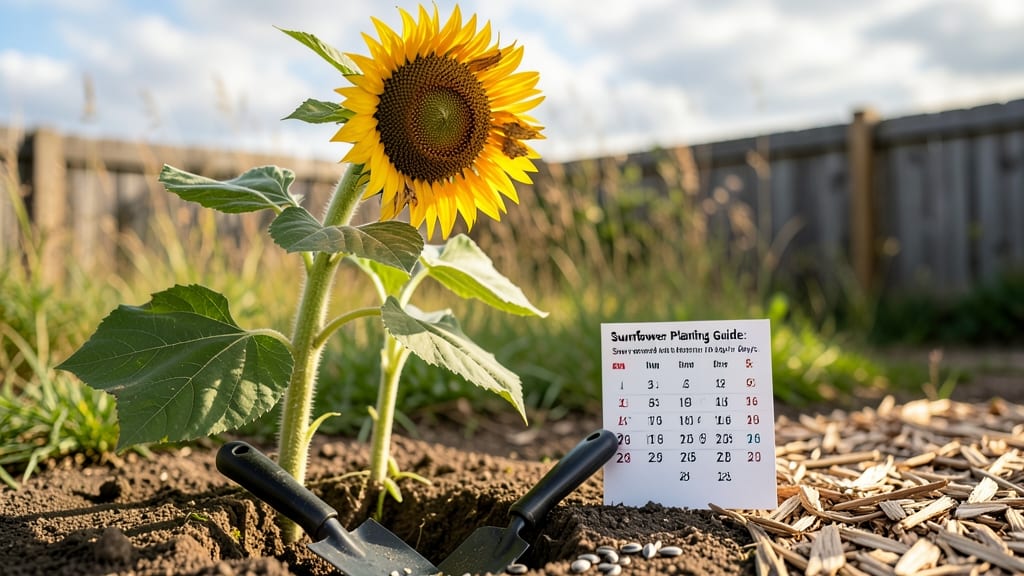
Planting sunflowers in Missouri isn't just about dropping seeds in the dirt—it's about catching that narrow window between frost and summer's heat to guarantee towering 🌻 blooms that turn heads.
The difference between a thriving garden and a sad, wilted stem often comes down to county-specific timing, where last-frost dates can vary by weeks.
If you've ever watched your sunflower seeds sprout only to be nipped by an unexpected frost, you know the frustration.
Missouri's USDA zones 5b-6b mean the right planting window could be as early as late April in southern counties or as late as mid-June in northern areas like St. Louis versus the bootheel.
Here's the good news: with the right soil temperature and a few simple adjustments, you can extend your sunflower season by weeks. Whether you're direct-sowing or starting indoors, I'll walk you through the exact deadlines and microclimate tricks that work in Missouri's diverse regions.
Let's dive into how to time your planting for maximum sunflower success, from frost-free zones to variety selection that thrives in Missouri's humidity and occasional drought risks.
Missouri county planting deadlines: frost-free zones for sunflower success
Timing your sunflower planting in Missouri means working with last frost dates that vary by county. Northern regions like St. Louis County face frost risks until mid-May, while southern areas like Cape Girardeau can plant as early as late March.
These differences create a 6-week window for planting across the state.
Sunflowers thrive in USDA Zones 5b-6b, but Missouri's climate shifts dramatically from north to south. For example, Jackson County has an average last frost of April 22, while Newton County typically sees its final freeze around May 5.
Planting too early risks frost damage to young seedlings, while late planting may delay blooms until fall.
Here's a breakdown of Missouri's county-specific planting windows based on 2023-2024 frost data:
| County | USDA Zone | Avg. Last Frost | Ideal Planting Window | Notes |
|---|---|---|---|---|
| St. Louis City | 6a | April 28 | May 1 - May 15 | Urban heat island effect extends season |
| Cape Girardeau | 6b | March 25 | Late March - Early April | Earliest planting zone in MO |
| Jackson | 6a | April 22 | April 25 - May 10 | Central MO reference point |
| Newton | 5b | May 5 | May 10 - May 25 | Northern MO caution zone |
| St. Charles | 6a | April 20 | April 25 - May 10 | River valley microclimate |
| Boone | 5b | April 25 | May 1 - May 15 | Northwest MO transition zone |
For gardeners in northern Missouri, waiting until after May 1 ensures your sunflowers avoid late spring frosts. In southern Missouri, you can start as early as late March—just be prepared for potential late-season droughts that may require extra watering.
Missouri's microclimates create additional opportunities. For example, urban areas like Kansas City often experience warmer temperatures due to the heat island effect, allowing for slightly earlier planting. Conversely, rural areas with higher elevations may need to wait an extra week.
Always check soil temperature before planting—sunflower seeds need soil temps above 55°F to germinate properly. Use a soil thermometer to verify conditions, especially in northern counties where cooler soils delay germination.
If you're growing giant sunflower varieties like 'Mammoth' or 'Russian Giant', plant them on the earlier side of your window (April-May) to maximize their 120-150 day growth cycle. Dwarf varieties like 'Teddy Bear' can tolerate late planting up to early June while still producing vibrant blooms.
Remember that first frost dates in Missouri typically arrive between October 15-30, giving you a 165-day growing season for sunflowers. Planning your planting window around this ensures you'll enjoy full sun exposure and peak bloom times throughout summer and early fall.
For maximum success, mark your county's last frost date on your calendar and wait 2-3 weeks before planting. This buffer period gives young seedlings time to establish strong roots before summer heat arrives.
5 Critical factors that determine your sunflower planting window
Timing your sunflower planting isn't just about avoiding frost—it's about creating the perfect conditions for rapid germination and strong root development. In Missouri, soil temperature is the #1 factor that determines whether your seeds will sprout or rot.
Sunflowers need soil temps above 55°F to germinate, which typically aligns with late April to early May in most counties.
Missouri's microclimates add another layer of complexity. For example, urban areas like Kansas City often reach optimal soil temperatures 2 weeks earlier than rural regions due to the heat island effect. Always check with a soil thermometer before planting—this simple tool can save you from wasted seeds.
Here are the 5 critical factors that determine your ideal planting window:
Missouri's humidity levels also play a role—especially in southern counties where fungal diseases thrive. If you're planting in high-humidity areas, consider using dwarf varieties like 'Teddy Bear' that mature faster and resist disease better.
For northern counties, focus on fast-germinating varieties like 'Autumn Beauty' to maximize your shorter growing season.
One common mistake I see is planting sunflowers too deep—burying seeds more than 1 inch can prevent proper germination. Instead, use your finger to create a small trench, place seeds 1 inch apart, then cover lightly with soil.
This method ensures consistent moisture while allowing sunlight to reach the seeds.
For container gardening in Missouri, start seeds indoors 4-6 weeks before your last frost date. Use biodegradable pots to transplant directly into the ground, which helps preserve the root system and reduces transplant shock. This is especially useful for urban gardeners with limited space.
Remember that late summer planting (after June) is possible in Missouri's southern regions, but expect smaller blooms. If you're growing giant varieties, stick to the April-May window for maximum height potential.
With these critical factors in mind, you'll be well on your way to growing vibrant sunflowers that thrive in Missouri's unique climate.