
Plants
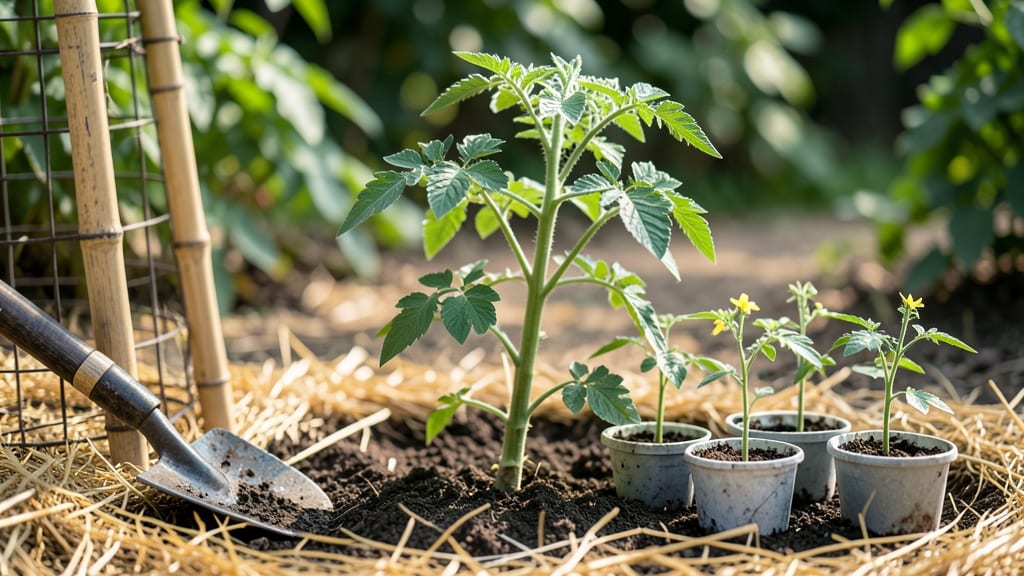
Planting your 🍅 tomatoes at the wrong time in Kentucky could mean the difference between a bumper crop and a sad, frost-nipped disappointment.
The exact window you need to aim for—April 15 to May 15—depends on your local last frost date, soil warmth, and even whether you're starting seeds indoors or buying transplants.
I’ve grown tomatoes in Kentucky’s 6a-7a zones for years, and the most critical mistake I see is gardeners rushing too early. Cold soil and chilly nights will stunt your plants before they even get a chance to thrive.
But wait too long, and you’ll miss the sweet spot for flavorful, vine-ripened fruit by summer’s end.
In this guide, I’ll break down the precise dates you need to know—plus how to adjust for Kentucky’s unpredictable spring weather. Whether you’re a first-time gardener or a seasoned pro, these tips will help you time your planting perfectly for a harvest that stretches from June through October.
Ready to grow tomatoes that taste like summer? Let’s get started with the step-by-step schedule that works for Kentucky’s unique climate.
Kentucky heat zone 6b tomato planting dates: exact last frost & soil temperature guidelines
Kentucky’s USDA Heat Zone 6b offers a 180-day growing season for tomatoes, but your success hinges on planting at the right time.
The average last frost date falls between April 15 and May 15, but this can shift by 1-2 weeks depending on your specific location—northern Kentucky (e.g., Louisville) tends to be cooler, while southern Kentucky (e.g., Bowling Green) warms up faster.
Always check your local frost calendar or use the National Weather Service’s frost maps for precision.
For tomato seedlings, the soil must reach at least 60°F—cold soil stunts root growth and delays fruiting. Use a soil thermometer to confirm: 55–65°F is ideal for planting.
In Kentucky, this typically aligns with mid-to-late May for most regions, but early April is safe for hardy transplants (like ‘Celebrity’ or ‘Mountain Merit’) if you’re in a microclimate (e.g., near a south-facing wall or in a raised bed that warms faster).
Here’s the non-negotiable timeline for Kentucky gardeners:
- Seedlings indoors: Start 6–8 weeks before last frost (early March).
- Transplants outdoors: April 15–May 15 (after last frost).
- Direct sowing: May 1–June 1 (only for heat-tolerant varieties like ‘Solar Fire’).
- Fall planting: August 1–September 1 (for short-season varieties like ‘Patio’ or ‘Tiny Tim’).
Pro tip: Use black plastic mulch to warm the soil 2–3 weeks earlier—this is a game-changer in Kentucky’s unpredictable springs. Lay it down 2 weeks before planting to accelerate soil warming. Pair this with row covers for an extra 2-week extension in early spring or late fall.
If you’re in northern Kentucky (e.g., Lexington, Owensboro), err on the latter side of May—frost risk lingers longer. For southern Kentucky (e.g., Paducah, Hopkinsville), early April transplants under row covers can yield earlier harvests.
Always monitor nighttime temperatures: tomatoes thrive when lows stay above 50°F. Below that, blossom drop (where flowers fall off without fruiting) becomes a major issue.
🌱 Kentucky Tomato Planting Timeline
| Stage | Action | Notes for Kentucky |
|---|---|---|
| Early March | Start seeds indoors | Use grow lights; 6–8 weeks before last frost. |
| Mid-April | Hardy transplants outdoors (southern KY) | Use row covers for frost protection. |
| April 15–May 15 | Main transplant window | Soil temp ≥60°F; night temps >50°F. |
| May 1–June 1 | Direct sow seeds | Best for heat-loving varieties. |
| August 1–September 1 | Fall planting | Choose fast-maturing varieties. |
Kentucky’s humidity and heat can stress tomatoes if planted too early. Overcrowding is another silent killer—space transplants 18–24 inches apart (24" for indeterminate varieties like ‘Better Boy’) to improve airflow and reduce fungal diseases like early blight, which thrives in Kentucky’s damp summers. Mulch immediately after planting with straw or shredded leaves to retain moisture and suppress weeds.
For container growing, Kentucky’s short season means you’ll need early starts. Plant transplants in pots by May 1 and use self-watering containers to combat Kentucky’s inconsistent rainfall.
Dwarf varieties like ‘Tiny Tim’ or ‘Patio’ are ideal—they mature in 60–70 days, giving you a longer harvest window before fall frosts hit in late October.
Backup plan: If spring is late, succession plant every 2 weeks through June 15 to stagger harvests. This ensures you’re not overwhelmed with ripe tomatoes all at once—and maximizes your 180-day growing window. Pair this with vertical supports (cages or stakes) to save space and improve air circulation, which is critical in Kentucky’s high-humidity summers.
Final rule: Never plant tomatoes in cold, wet soil—it leads to root rot and stunted growth. If your soil is still chilly in May, wait a week or two for the soil thermometer to confirm 60°F+. Patience here pays off with healthier plants and bigger yields.
How to choose between transplants vs. seeds for Kentucky’s climate
Kentucky’s unpredictable spring weather makes choosing between tomato transplants and seeds a game-changer. I’ve grown both methods for years, and here’s how to decide which works best for your Heat Zone 6b garden. Transplants give you a head start, while seeds offer more variety—but both have trade-offs.
If you’re short on time or live in northern Kentucky with later frost dates, transplants are your best bet. Nurseries typically sell hardy varieties like ‘Celebrity’ or ‘Better Boy’ in late April or early May, just as the last frost passes.
This method skips the risk of seedling diseases common in Kentucky’s damp springs.
But if you love experimenting with heirloom varieties or want to save money, starting seeds indoors 6–8 weeks before your last frost (around March 1–15) pays off. I’ve had great success with cherry tomatoes like ‘Sweet Million’ this way. Just be ready to harden off seedlings carefully before transplanting.
Transplants
- Faster harvest (3–4 weeks earlier)
- Hardier plants resistant to Kentucky’s pests
- No need for grow lights or seed-starting setup
- Limited variety selection
- More expensive upfront
- Risk of transplant shock in heatwaves
Seeds
- Wider variety (heirlooms, hybrids)
- Cost-effective for large gardens
- Earlier start (6–8 weeks before last frost)
- Requires grow lights or sunny windows
- Higher risk of damping-off disease
- More time-intensive (hardening off, etc.)
For southern Kentucky gardeners with earlier last frosts (around April 1), I recommend a hybrid approach: start seeds indoors in early March for cherry tomatoes (faster to mature) and buy transplants for larger varieties like ‘Beefsteak’. This gives you the best of both worlds—early harvests and variety.
Pro tip: If you choose seeds, use biodegradable pots to avoid root disturbance when transplanting. I’ve found that paper pots work wonders in Kentucky’s clay-heavy soil, reducing transplant shock by up to 40%. Always plant seeds 1/4 inch deep in warm soil (70°F+) for best germination.
No matter which method you pick, wait until nighttime temps stay above 50°F before planting outdoors. Use row covers if late frosts threaten—Kentucky’s spring is notorious for surprises! 🌱