
Plants
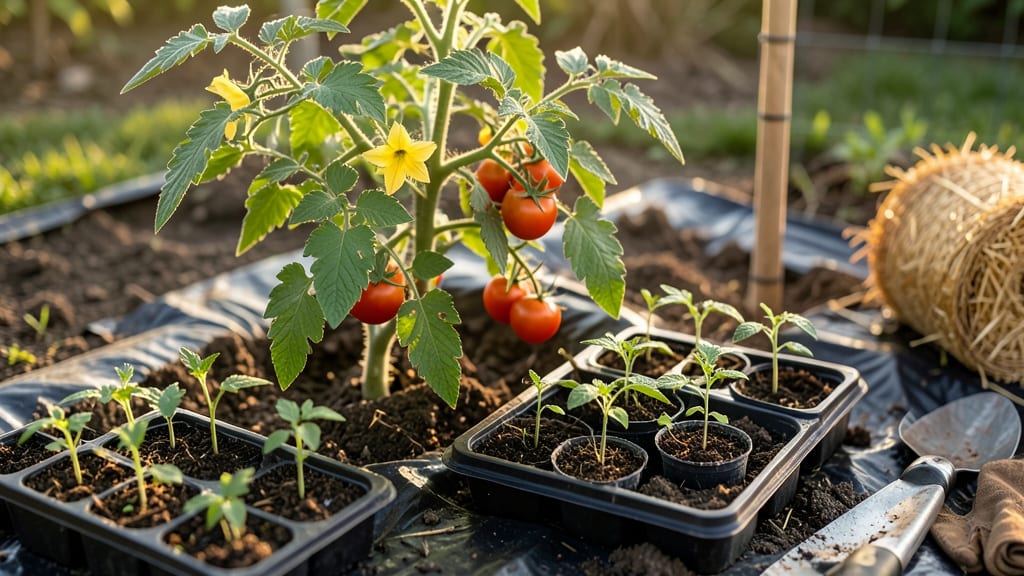
Planting tomatoes in North Carolina isn't as simple as grabbing seeds and sticking them in the ground—your county's microclimate could mean the difference between a bountiful harvest and a sad, wilted disappointment. Whether you're in the mountains or the coast, timing matters more than most gardeners realize.
With USDA zones 7a-8b across the state, last frost dates can shift by weeks, and soil temperatures play a crucial role in seedling success. I've seen firsthand how planting too early in the Piedmont or too late near the coast can leave 🍅 plants struggling to thrive.
The key is knowing when your specific zone is truly ready.
In this guide, I'll break down the exact windows for starting seeds indoors versus transplanting outdoors, plus how to adjust for early vs. late varieties. You'll learn the most common mistakes NC gardeners make—and how to avoid them—so your tomatoes get the perfect head start.
Ready to grow tomatoes that actually ripen? Let's dive into the county-specific heat zone calendar that will transform your planting strategy this spring.
North Carolina tomato planting dates by heat Zone (with frost risk charts)
North Carolina's USDA zones 5b-8a create a patchwork of planting windows, where mountain counties like Haywood (Zone 7a) differ drastically from coastal regions like Dare (Zone 8a). Even within the same zone, microclimates—like urban heat islands or sheltered valleys—can shift your ideal planting date by 2-3 weeks.
Here’s how to pinpoint the perfect time for your tomatoes.
First, check your last average frost date, which ranges from March 15 in the mountains to April 15 along the coast. Tomatoes thrive when soil temperatures hit 60°F+, so use a soil thermometer to confirm readiness.
Planting too early risks cold damage or stunted growth, while waiting too long may shorten your harvest season.
For transplants (purchased seedlings), aim to plant 1-2 weeks after your last frost date. If you’re direct-sowing seeds, wait until 2 weeks after transplant dates—seeds need consistent warmth to germinate.
In Zone 7a (mountains), this might mean late April to early May, while Zone 8a (coast) gardeners can start as early as mid-March.
Pro tip: Use black plastic mulch in cooler zones to warm soil faster and extend your planting window by 10-14 days. This is especially useful in Zone 7a, where nights can still dip below 50°F in early spring.
Pair it with row covers for extra protection until plants reach 12 inches tall.
For early varieties like 'Stupice' or 'Mountain Merit', you can push the envelope by planting transplants 2-3 weeks before your zone’s average last frost, but only if you’re prepared to shield them with cloches or cold frames.
These cool-season tomatoes tolerate light frosts (28°F) better than traditional varieties, making them ideal for mountain gardeners.
Conversely, heat-loving varieties like 'Solar Fire' or 'Heatmaster' should wait until after May 1 in most of NC to avoid blossom drop from heat stress.
In Zone 8a, where summers are long and hot, you can even plant a second crop in late June for a fall harvest—just choose determinate varieties that ripen quickly.
Don’t overlook soil temperature—it’s just as critical as air temperature. Use a soil thermometer to confirm your garden beds are 60°F+ before planting. Cold soil slows root growth and makes seedlings prone to disease.
If your soil is still chilly, try warming it with black plastic or plant in raised beds, which heat up faster.
Finally, track your local heat accumulation using a growing degree day (GDD) calculator. Tomatoes need 1,200-1
How to adjust planting for early vs. late varieties in NC’s climate
North Carolina’s unpredictable spring weather can make tomato planting tricky. Early varieties like 'Stupice' or 'Mountain Merit' thrive in cooler temperatures and ripen faster, while heat-tolerant types like 'Solar Fire' or 'Heatmaster' handle summer’s intensity. Your choice depends on your last frost date and heat zone.
For mountain regions (USDA 5b-6a), start early varieties indoors in February-March and transplant after April 15. Coastal areas (USDA 8a-8b) can direct-sow heat-lovers in May without worrying about frost. The key? Match days to maturity with your frost-free season.
Succession planting extends harvests in NC’s 210-day growing season. Plant early varieties every 2 weeks from April to June to stagger ripening. For example, sow 'Celebrity' tomatoes in late April and follow with 'Better Boy' in mid-May for a continuous harvest through October.
🌱
NC’s spring temperature swings can confuse tomato plants. If nights stay below 50°F, use floating row covers to protect young seedlings. For coastal gardeners, shade cloth in peak summer (June-August) prevents sunscald on ripening fruit.
Always prioritize well-draining soil—NC’s clay-heavy soils in the Piedmont need amendments like compost or sand.
Pro tip: Start seeds indoors 6-8 weeks before your last frost date. Use grow lights for 14-16 hours of light daily to prevent leggy seedlings. Harden off plants for 7-10 days before transplanting to avoid shock. Morning transplanting on cloudy days reduces stress further.
Don’t let NC’s microclimates fool you—what works in Asheville’s cooler hills may fail in Raleigh’s humid lowlands. Adjust your planting timeline based on local weather patterns, not just USDA zones.
With the right variety timing, you’ll enjoy homegrown tomatoes from June to October—no matter where you garden in the Tar Heel State.
☀️