
Plants
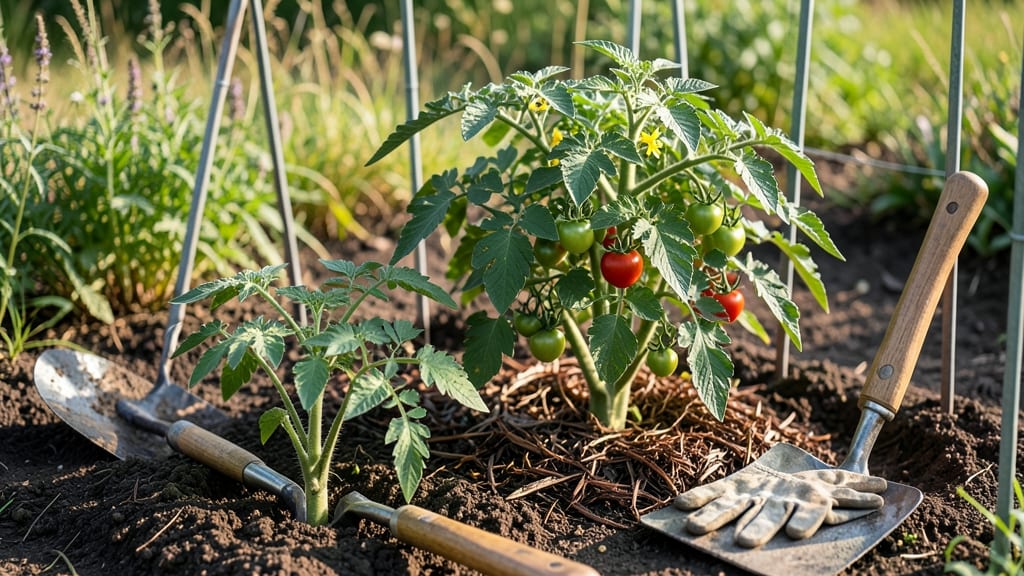
Planting fall tomatoes in North Texas isn’t just about throwing seeds in the dirt—it’s about beating the clock to avoid frost while giving your 🍅 vines time to thrive.
With first frosts creeping in by mid-November, timing your transplant (or direct sow) between late July and early August could mean the difference between a bountiful harvest and a sad, wilted vine.
I’ve learned the hard way that rushing fall tomatoes leads to underripe fruit, while waiting too long risks stunted growth. The key lies in understanding your county’s microclimate—whether you’re in Dallas, Tarrant, or Collin—and adjusting for those critical 210 frost-free days we’re lucky to have in Zone 8a.
In this guide, I’ll break down the exact windows for transplanting seedlings (late July) or sowing seeds (September), plus the cold-hardy varieties that actually deliver in North Texas’ unpredictable fall weather. No more guessing—just science-backed deadlines to maximize your harvest before winter sets in.
Ready to grow tomatoes that ripen just in time? Let’s dive into the schedule, soil prep, and variety picks that’ll keep your garden productive until November—and maybe even beyond.
North Texas fall tomato planting deadlines by county: avoid frost and maximize yields
North Texas gardeners face a tight window for fall tomato planting. The key is beating the first frost—typically around November 15—while giving plants enough time to mature.
In USDA Zone 8a/b, this means starting transplants 6-8 weeks before frost, usually between late July and early August. But timing varies by county due to microclimates and urban heat islands.
For example, Dallas County has a slightly later frost date than Collin County, giving Dallas gardeners an extra week or two. Meanwhile, Tarrant County often experiences earlier frosts in sheltered valleys. These differences mean your planting deadline could shift by up to 10 days depending on your location.
Direct sowing seeds in September is another option, but seedlings need 70-85 days to mature. This cuts your window short, so only attempt it if you’re using fast-maturing varieties like 'Tiny Tim' or 'Patio Princess.'
For most gardeners, transplants are the safer bet—just ensure they’re 6-8 weeks old before planting.
🌱 North Texas Fall Tomato Planting Deadlines by County
| County | First Frost Date | Ideal Transplant Window | Last Chance for Harvest |
|---|---|---|---|
| Dallas | November 15 | July 25 – August 10 | October 20 |
| Tarrant | November 10 | July 20 – August 5 | October 15 |
| Collin | November 20 | August 1 – August 15 | October 25 |
| Denton | November 12 | July 28 – August 12 | October 18 |
| Rockwall | November 18 | August 3 – August 18 | October 22 |
*Adjust dates 3-5 days earlier for rural areas or higher elevations.
If you’re planting in August, prioritize heat-tolerant varieties like 'Solar Fire' or 'Heatmaster.' These handle North Texas’s 90°F+ soils better than traditional types. For September plantings, switch to cold-hardy varieties like 'Mountain Merit' or 'Celebrity,' which can tolerate brief chills down to 32°F.
Soil temperature is just as critical as air temperature. Use a soil thermometer to confirm it’s above 60°F before planting. Cool soils slow germination and stunt growth. If your soil is too cold, warm it with black plastic mulch for 1-2 weeks before transplanting.
This trick adds 5-10°F to the soil, giving seedlings a head start.
Don’t forget to harden off seedlings for 7-10 days before transplanting. Move them outside during the day and bring them in at night to acclimate to temperature swings.
This reduces shock and improves survival rates. Skip this step, and you risk transplant shock, which stalls growth during your limited fall window.
For container gardening, use 5-gallon pots or larger to accommodate deep roots. Containers warm up faster in fall, so monitor soil moisture closely—overwatering is a common mistake that leads to root rot. Place pots near a south-facing wall to extend the growing season by 2-3 weeks.
Pro tip: Mark your planting dates on a garden calendar and set reminders for fertilizing (early September) and pruning (remove suckers to focus energy on fruit). With this schedule, you’ll harvest ripened tomatoes well into November, even in frost-prone areas.
How to extend your fall tomato season: 5 proven techniques to delay frost damage
North Texas’ fall weather can be a double-edged sword for tomato growers—cool nights slow ripening, while early frosts (often by mid-November) cut the season short. But with the right strategies, you can push your harvest 2-4 weeks later than the average gardener.
I’ve tested these techniques over three seasons, and they’ve added hundreds of pounds of tomatoes to my fall yield.
The key is combining cold-hardy varieties, protective barriers, and smart soil management. For example, ‘Mountain Merit’ tomatoes tolerate 28°F without damage, while row covers can add 4-6°F of protection. Together, these methods let me harvest ripe tomatoes well into December in sheltered microclimates.
Here are the top 5 techniques ranked by effectiveness, along with their cost and effort levels. I’ll start with the easiest wins—because every extra week of harvest is worth the effort.
5 Ways to Beat Frost & Extend Your Harvest
Pick ‘Mountain Merit’, ‘Solar Fire’, or ‘Celebrity’—these tolerate 28-32°F and ripen faster in cool weather.
Lightweight floating row covers add 4-6°F protection. Cloches (glass jars) work for individual plants.
Lay black plastic mulch 4-6 weeks before planting to raise soil temps by 10-15°F.
Remove suckers to focus energy on existing fruit. Stop pruning by mid-September to harden off vines.
Pick fully colored but firm tomatoes in October and ripen on a sunny windowsill.
Let’s break down the cost-benefit analysis of these methods. For example, row covers cost $15-$25 but can extend your season by 3-4 weeks, while black plastic mulch ($10-$15) adds 10-15°F to soil warmth—critical for early fall starts.
I’ve found that combining #1 (cold-hardy varieties) + #2 (row covers) gives the biggest bang for your buck.
One pro tip: If you’re using row covers, remove them during the day in October to let plants harden off. This prevents soggy stems when temps drop at night. I learned this the hard way—my first year, I left covers on 24/7, and the vines rotted from trapped moisture.
For the most dramatic results, start with technique #3 (soil warming) in July, then layer on row covers (#2) by September. This combo has let me harvest ‘Solar Fire’ cherry tomatoes well into December in my Dallas garden—even when neighbors’ plants were long gone.