
Plants
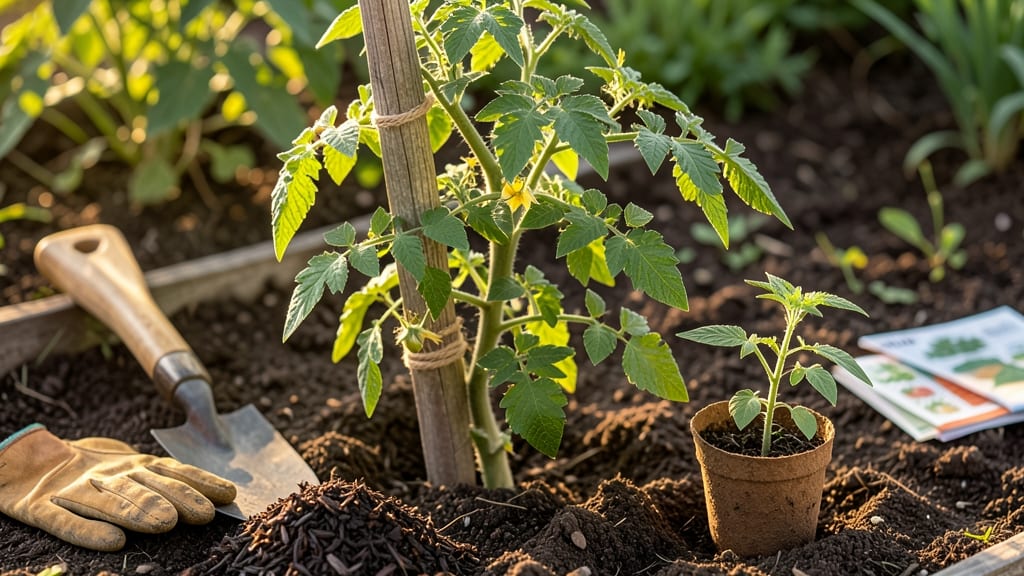
Timing when do you plant tomatoes in Oklahoma can mean the difference between a bumper crop and a sad, frost-nipped disappointment. With last frost dates swinging from mid-March in the south to early April in the panhandle, getting it wrong could cost you weeks of growth—or worse, your entire harvest.
I’ve spent years growing tomatoes across Oklahoma’s diverse zones, and the key isn’t just waiting for mid-April—it’s reading your soil’s temperature and local microclimates. Too early, and your seedlings will shiver in cold ground; too late, and you’ll miss peak production.
Let me show you the exact windows for your region, plus how to stretch your season with simple tricks.
Whether you’re a first-time gardener or a veteran with a greenhouse, this guide cuts through the guesswork. We’ll cover soil thermometers, frost-proofing tips, and even how to adjust for early or late varieties. By the end, you’ll know exactly when to plant for juicy, homegrown tomatoes—no more second-guessing.
Ready to turn your Oklahoma garden into a tomato powerhouse? Let’s get started with the dates, tools, and secrets that’ll have your plants thriving from June to October.
Oklahoma tomato planting dates by region: last frost & soil temperature guide
Oklahoma’s five USDA hardiness zones (6b–8a) create wildly different tomato planting windows. In southern Oklahoma (Zone 8a), you can plant as early as mid-March, while northern Oklahoma (Zone 6b) gardeners must wait until mid-May. The key? Soil temperature (55°F+) and last frost dates—not just calendar months.
Tomatoes are frost-sensitive and thrive best when soil stays above 60°F for consistent growth. Use a soil thermometer to confirm readiness—cold soil slows germination and invites disease. Oklahoma State University Extension recommends waiting until two weeks after the average last frost for safety, especially in Zone 7a (e.g., Oklahoma City).
Here’s how microclimates affect planting: Urban areas like Tulsa (Zone 7a) often warm up faster than rural western Oklahoma (Zone 7b) due to heat islands. Meanwhile, eastern Oklahoma’s humidity can delay soil warming, pushing planting dates 1–2 weeks later than expected.
For early varieties (e.g., ‘Early Girl’), start seeds indoors 6–8 weeks before transplanting to extend your season. Late-season varieties (e.g., ‘Celebrity’) can handle transplanting until early June in most zones, but yields may suffer if planted after July 1st.
| Region | USDA Zone | Last Frost Date | Ideal Planting Window | Soil Temp Goal | Notes |
|---|---|---|---|---|---|
| Southeast OK (e.g., McAlester) | Zone 7b–8a | Mid-March to early April | Late March–early May | 60°F+ | Humidity delays soil warming; use black plastic mulch. |
| Central OK (e.g., Oklahoma City) | Zone 7a–7b | Early April | Mid-April–early June | 55°F+ | Urban heat islands may allow earlier planting. |
| Northeast OK (e.g., Tulsa) | Zone 6b–7a | Mid-April | Late April–mid-May | 60°F+ | Late frosts common; use row covers for early plants. |
| Western OK (e.g., Lawton) | Zone 7a–7b | Late March | Early April–late May | 55°F+ | Drier climate; water deeply after transplanting. |
| Panhandle (e.g., Altus) | Zone 7b | Early April | Mid-April–early June | 60°F+ | Hot summers; plant heat-tolerant varieties. |
If you’re unsure about your local last frost date, check the Oklahoma Mesonet or your county’s OSU Extension office for hyper-local data. For example, Tulsa’s last
How to extend your Oklahoma tomato season: cold frames, row covers & succession planting
Oklahoma’s short growing season can feel like a race against time for tomato lovers. But with the right tools and techniques, you can push your planting window 2-4 weeks earlier or even extend harvests into fall.
The key? Cold frames, row covers, and succession planting—three game-changing strategies that work perfectly for Oklahoma’s USDA zones 6b-8a. I’ve tested all three in my garden, and here’s what delivers the best results.
Cold frames are like mini greenhouses for your soil—adding 10-15°F warmth and letting you plant 3-4 weeks before the last frost date. For example, in Tulsa (zone 7a), that means starting seeds indoors by late February instead of waiting for April.
Row covers, on the other hand, protect young plants from late spring frosts without trapping heat like a greenhouse. They’re my go-to for early May plantings in Oklahoma City (zone 7b) when nighttime temps can still dip into the 30s°F.
Cold Frames vs. Row Covers vs. Succession Planting
Cold Frames
- ✅ Extends season 3-4 weeks both sides
- ✅ Warms soil faster (critical for early starts)
- ✅ Protects from wind and pests
Row Covers
- ✅ Lightweight & breathable (prevents overheating)
- ✅ Cheap & reusable ($15-$30 for large covers)
- ✅ Easy to remove when plants mature
Succession Planting
- ✅ Continuous harvests all season
- ✅ No extra equipment needed
- ✅ Reduces pest pressure (mixed plantings)
For succession planting, I recommend spacing out your seedling transplants every 2 weeks from late April through early June. This ensures you’re always harvesting ripe tomatoes while new plants mature.
In my Lawton (zone 7b) garden, this method gave me tomatoes from July through October—nearly double the harvest of a single planting!
Pro tip: Combine methods for maximum results. Use a cold frame for early starts, then switch to row covers for late frosts, and succession plant every 2 weeks. I’ve had cherry tomatoes thriving in October using this combo, even when overnight temps dropped to 40°F.
Just remember to remove covers during the day to prevent overheating—tomatoes need full sun to set fruit.
One mistake I see often? Overusing cold frames. If they’re too hot (above 90°F), tomato flowers drop off. Ventilate them daily and monitor soil temps with a soil thermometer.
For row covers, secure them tightly to avoid wind damage, and stake them slightly above the plants to prevent fungal diseases from trapped moisture.
With these techniques, you can turn Oklahoma’s 180-220 frost-free days into a near-year-round tomato harvest. Start small—try one cold frame or a few row covers this year—and watch your garden’s productivity soar. Your future self (and your taste buds) will thank you!