
Plants
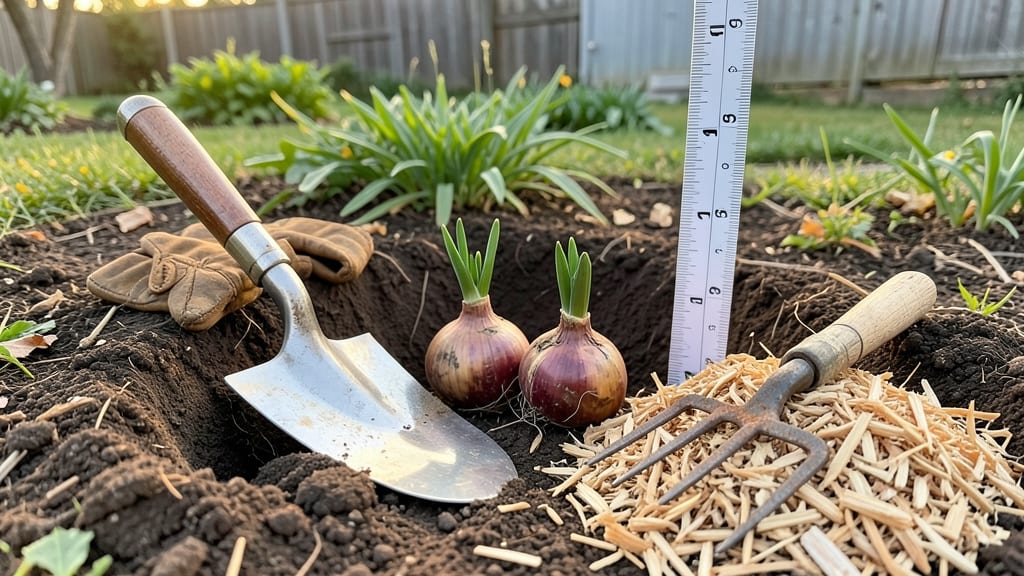
Planting tulip bulbs 🌷 in Alabama isn’t just about the calendar—it’s about beating the clock before the ground freezes solid. Miss the October–December window, and your spring blooms might never arrive, thanks to our unpredictable winters.
But with the right timing, you can enjoy vibrant displays in April–May, even in zones 7b–8a where frost sneaks in earlier than you’d expect.
I’ve learned the hard way that Alabama’s varied climate means what works in Huntsville won’t always suit Mobile. The key? Planting 6–8 weeks before your first hard frost—usually by mid-November in the north and December in the south.
This ensures bulbs establish roots before winter sets in, so they’re ready to burst into color when spring arrives.
Don’t let soggy soil or late freezes ruin your plans. In this guide, I’ll break down exactly when to plant in your county, how deep to bury those bulbs, and which varieties thrive best in Alabama’s warm winters.
Whether you’re a first-time gardener or a seasoned pro, these tips will help you avoid common mistakes and get the most from your tulip investment.
Ready to transform your yard into a springtime spectacle? Let’s dive into the perfect planting schedule, soil prep secrets, and even how to adjust for Alabama’s quirky frost dates. Your future blooms will thank you!
Alabama’s ideal tulip planting months by climate Zone (with frost-free deadlines)
Alabama’s climate spans USDA Zones 7b through 8a, meaning your tulip planting window depends heavily on where you live. In northern Alabama (Zone 7b), like Madison or Huntsville, you’ll want to plant bulbs by mid-November to avoid winter freezes.
Meanwhile, southern Alabama (Zone 8a), including Mobile or Dothan, can plant as late as early December—but timing is critical to avoid soggy soil from winter rains.
For most Alabama gardeners, the ideal planting window is October through December. This gives bulbs time to establish roots before the ground freezes, ensuring vibrant spring blooms.
However, the exact timing varies by county—check your last frost date (typically November 15–December 15) and plant 6–8 weeks before that date for best results.
Here’s how to break it down by region:
Northern Alabama (Zones 7a-7b): Plant October 1–November 15. Cities like Birmingham and Decatur experience harder freezes, so earlier planting is key. Use 3–4 inches of mulch after planting to insulate bulbs.
Central Alabama (Zone 7b): Aim for October 15–December 1. Areas like Montgomery and Auburn have milder winters but still need bulbs planted before soil temps drop below 50°F.
Southern Alabama (Zone 8a): Plant November 1–December 15. Warmer climates in Mobile and Pensacola allow later planting, but avoid planting after December 15—bulbs may not root before winter rains.
🌷
| Zone | Planting Window | Last Frost Date | Key Tip |
|---|---|---|---|
| 7a (e.g., Huntsville) | October 1–November 15 | November 15 | Use thick mulch (4+ inches) |
| 7b (e.g., Birmingham) | October 15–December 1 | December 1 | Plant after soil cools to 60°F |
| 8a (e.g., Mobile) | November 1–December 15 | December 15 | Avoid planting after Dec 15 |
To find your exact last frost date, check the Alabama Agricultural Statistics Service or use the National Weather Service’s frost calendar. For example, Huntsville’s average last frost is November 15, while Mobile’s is December 15.
Planting too late risks bulbs rotting in wet soil, while planting too early can lead to premature sprouting.
If you’re unsure, err on the earlier side. Tulip bulbs can tolerate cool soil but will rot if planted in warm, soggy conditions. Aim for soil temperatures below 60°F and consistent daytime temps under 70°F—ideal conditions for root growth before winter.
Pro tip: Test your soil’s readiness by pushing a shovel into the ground. If it feels cool to the touch and drains well within 24 hours, it’s time to plant. In Alabama’s clay-heavy soils, amend with compost or sand to improve drainage and prevent bulb rot.
🌱
For gardeners in Zone 8a (southern Alabama), consider planting tulips in January for a second bloom season. While less common, this method works if you mulch heavily and water sparingly during Alabama’s mild winters.
Just remember: January-planted bulbs may bloom later (June–July) and require extra care to survive summer heat.
Finally, store bulbs properly if you miss the fall window. Keep them in a cool, dry place (40–50°F) until planting season resumes. Alabama’s humid climate can cause bulbs to sprout prematurely, so avoid refrigerators or damp basements.
How to time tulip bulb planting for zero-frost spring blooms in Alabama
Alabama’s unpredictable winters make tulip planting a balancing act—too early, and soggy soil rots bulbs; too late, and frost kills emerging shoots. The key is planting 6-8 weeks before your first hard frost, but Alabama’s USDA Zones 7b-8a complicate things.
Northern counties like Huntsville (Zone 7b) need bulbs in the ground by mid-November, while southern areas like Mobile (Zone 8a) can wait until early December.
Start by checking your last frost date—use the Alabama Extension Service’s frost calendar or local weather apps. For most of the state, this falls between November 15 and December 15.
Planting too close to frost risks bulb desiccation; too early (before October) risks waterlogged soil and rot. Aim for 60°F soil temps or lower to trigger dormancy.
Unlike northern states, Alabama’s frost isn’t just about temperature—radiation frost (clear nights) can hit even when daytime temps are mild. Plant Darwin Hybrid tulips (hardier varieties) in northern Alabama and Fosteriana tulips (earlier bloomers) in southern zones to hedge against late freezes.
Adjust your planting depth based on soil type: 6 inches deep in well-draining soil, but 4-5 inches in clay-heavy areas (like Birmingham’s red clay). Use a trowel to dig holes, spacing bulbs 4-6 inches apart—closer spacing works for dwarf varieties like ‘Tiny Pink.’
Add a 1-inch layer of compost to the hole to improve drainage, then place the bulb pointy end up (never sideways!).
Mulching is non-negotiable in Alabama’s variable winters. After planting, cover the bed with 3-4 inches of straw or pine straw mulch to insulate bulbs from freeze-thaw cycles. In Zone 7b (north Alabama), add an extra 2-inch layer of mulch once temps drop below 32°F.
Remove mulch in early spring (March) to let shoots emerge—don’t wait until buds appear, or you’ll smother new growth.
Watering after planting is critical but often mishandled. Give bulbs a deep soak immediately after planting, then water lightly every 7-10 days until the ground freezes. Avoid overwatering in fall—Alabama’s wet winters (especially in Mobile or Huntsville) can drown bulbs.
Once frozen, stop watering entirely until spring shoots appear. Resume light watering in March to encourage bloom stalks.
Pro tip: Mark your tulip beds with biodegradable flags or a garden twine grid—Alabama’s wildlife (raccoons, armadillos) love digging up bulbs. If you’re in Zone 8a (southern Alabama), consider planting in containers and moving them to a garage or shed during extreme cold snaps (below 20°F).
With the right timing and care, your tulips will burst through Alabama’s muddy spring like clockwork.