
Plants
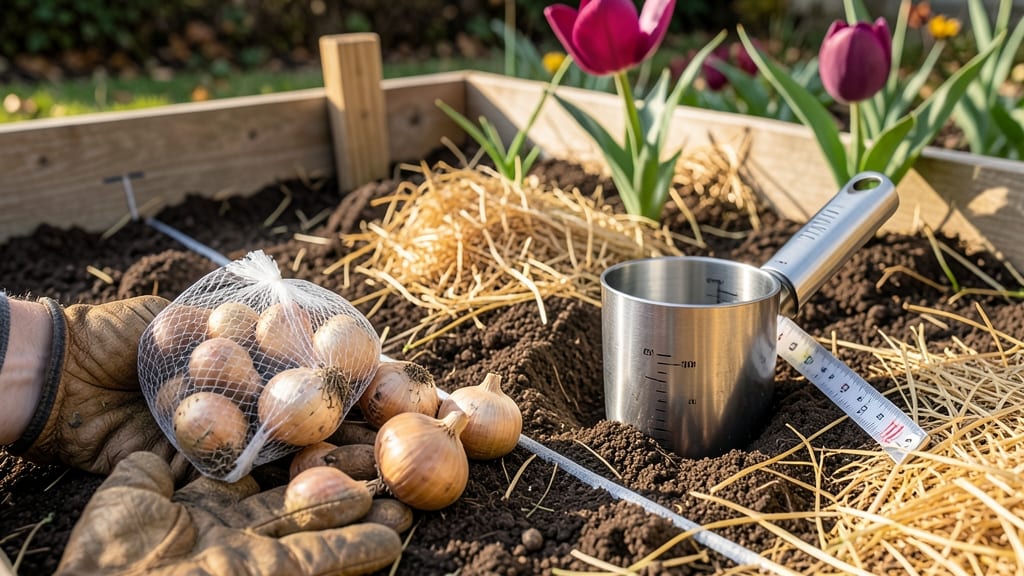
Planting tulip bulbs 🌷 in North Carolina at the wrong time means waiting an extra year for those vibrant spring blooms. The key to success lies in timing—specifically, the 6-8 weeks before the ground freezes, usually between October and November.
In Zones 7b-8a, where frost can be unpredictable, getting this window right is the difference between a showstopping display and disappointment.
Many gardeners assume cooler weather means it’s safe to plant, but soil temperature plays a bigger role than air temperature. The ideal time is when daytime highs hover around 60°F, and the ground stays workable but begins to cool.
This typically lands in late October for most of the state, giving bulbs time to root before winter sets in.
Why does this matter so much? Tulips need a period of cold dormancy to bloom, but they also hate soggy soil or early frost. Planting too early means bulbs may sprout and get damaged by cold snaps, while planting too late leaves them vulnerable to winter moisture.
The goal is to strike that perfect balance—root establishment without premature growth.
In this guide, I’ll walk you through the exact timeline for your region, soil prep tips, and how to adjust for North Carolina’s diverse microclimates. Whether you’re in Raleigh’s Piedmont or the Coastal Plain, these insights will help you plant with confidence for zero-frost blooms next spring.
North Carolina tulip planting calendar: exact dates for Zone 7b-8a success
Timing your tulip bulbs correctly in North Carolina means the difference between spring blooms and a year-long wait. In Zones 7b-8a, the optimal window is October through November, but exact dates depend on your region's first frost date.
For most of NC, this means planting 6-8 weeks before the ground freezes, typically between mid-October and early November.
Raleigh gardeners should aim for late October to early November, while Asheville's cooler climate allows planting as late as mid-November. Charlotte falls in between, with early to mid-November being ideal.
These dates ensure bulbs establish roots before winter dormancy begins, setting the stage for April-May blooms the following spring.
Soil temperature is your best indicator—plant when it drops to 50-60°F. Use a soil thermometer for accuracy, or check local frost forecasts from sources like the NC State Climate Office. Remember, bulbs need 4-6 weeks of root growth before the ground freezes solid.
Here's a quick reference for North Carolina's tulip planting calendar, adapted for Zones 7b-8a:
| Region | Ideal Planting Window | Soil Temp Threshold | Bloom Time |
|---|---|---|---|
| Raleigh (Zone 7b) | Late October - Early November | 50-60°F | Mid-April - Early May |
| Asheville (Zone 7a) | Mid-October - Mid-November | 45-55°F | Late April - Mid-May |
| Charlotte (Zone 7b-8a) | Early November - Mid-November | 55-60°F | Early May - Early June |
Pro tip: For longer bloom seasons, stagger your plantings. Start with early-blooming varieties in late October, then add mid-season types in early November.
This creates a progressive display from April through May. Just avoid planting after December 1st—bulbs need time to root before winter sets in.
Microclimates matter in NC! Coastal areas like Wilmington can plant 2-3 weeks later than inland regions due to milder winters. Use your local weather station data to adjust timing. For example, Wilmington's last frost is often mid-March, giving you a slightly extended window.
Don't forget to account for bulb dormancy. Tulips need 12-16 weeks of cold exposure (below 40°F) to bloom properly. In warmer Zone 8a areas, consider chilling bulbs in your fridge for 8-10 weeks before planting if you miss the fall window.
For container gardening, plant bulbs in October-November as well, but use larger pots (12+ inches deep) to accommodate root growth. Place containers in protected areas like garages or porches during winter to shield them from freeze-thaw cycles that can damage bulbs.
Mark your calendar now! The 2024 planting window for North Carolina's Zone 7b-8a is October 15th to November 15th—don't wait until the last minute. The sooner you plant, the more time bulbs have to establish roots before winter dormancy begins.
How to prepare tulip bulbs for NC climate: soil, depth, and spacing secrets
North Carolina’s Zone 7b-8a climate demands special care when planting tulip bulbs. The key to vibrant spring blooms lies in soil preparation, proper planting depth, and strategic spacing. Unlike cooler regions, NC’s clay-heavy soils and occasional winter thaws require extra attention to drainage and bulb protection.
Start by testing your soil’s drainage. Tulips hate soggy roots, so amend heavy clay with compost or sand to improve airflow. Aim for a 60/40 mix of native soil to organic matter. If your garden sits in a low spot, consider raised beds to prevent winter waterlogging.
✅ DO for NC Tulip Success
- 🌱 Amend soil with 3-4 inches of compost
- 💧 Plant bulbs 6-8 inches deep (deeper than cooler zones)
- 📏 Space 4-6 inches apart for full blooms
- 🪴 Choose well-draining locations (avoid valleys)
❌ DON'T Make These Mistakes
- 🚫 Plant in heavy clay without amendments (roots rot)
- 🚫 Use shallow depths (NC freezes aren’t as harsh)
- 🚫 Overcrowd bulbs (competition weakens blooms)
- 🚫 Ignore winter thaws (bulbs can rot if too wet)
For optimal bulb depth, dig holes 6-8 inches deep—deeper than you might in cooler zones. This protects bulbs from NC’s unpredictable thaws while allowing roots to establish before winter.
Place bulbs pointy end up, spacing them 4-6 inches apart in all directions. For double blooms, increase spacing to 8 inches.
After planting, top with 2-3 inches of mulch (straw or shredded leaves) to insulate bulbs during winter temperature swings. In Asheville’s cooler microclimate, add an extra inch of mulch, while Coastal NC gardeners can use lighter mulch to prevent overheating.
Water thoroughly after planting to settle the soil around bulbs.
One NC-specific tip: If your area experiences early winter rains (common in Raleigh), plant bulbs in elevated beds or on slopes. This prevents bulb rot from prolonged moisture. For container gardening, use well-draining mixes with perlite or vermiculite to mimic ideal conditions.
Remember, tulip bulbs need time to root before winter sets in. Planting in late October gives them 6-8 weeks to establish—just enough to handle NC’s first frost (usually mid-November) without stress. With these prep steps, your tulips will burst through the soil next spring like clockwork! 🌷