
Plants
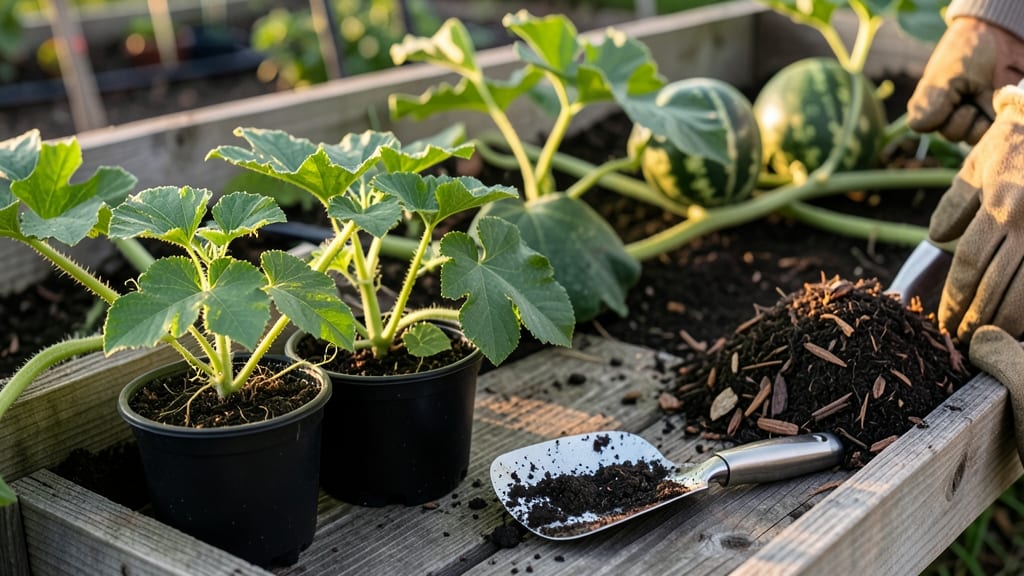
Planting watermelon in Georgia isn’t just about the calendar—it’s about catching that sweet spot between soil warmth and frost-free deadlines that can make or break your harvest. Skip the guesswork, and you’ll miss out on juicy 🍉 rewards by summer.
Georgia’s 7b-8a climate gives you a head start, but timing matters more than you’d think. Too early, and chilly soil stalls germination; too late, and your vines won’t have enough time to mature before fall’s first frost.
The key? Wait until soil temps hit at least 70°F—usually mid-April to early June.
This guide breaks down the exact windows for your county, from Coastal Georgia’s longer season to Piedmont’s tighter deadlines. I’ll show you how to prep soil, pick the right varieties, and stretch your growing season without risky shortcuts.
Whether you’re a first-time gardener or a seasoned pro, these steps will help you avoid common pitfalls and maximize your watermelon yield—no more bitter surprises at harvest time.
Georgia watermelon planting timeline by soil temperature & frost dates
Georgia’s diverse climate means your watermelon planting window can vary by 1-2 months depending on your region. The key factors are soil temperature (must reach 70°F+) and last frost dates, which shift from North Georgia’s late April to South Georgia’s early March.
Planting too early risks frost damage, while waiting too long cuts harvest time.
For most of Georgia, mid-April to early June is ideal—but verify your county’s frost-free date first. Coastal areas like Savannah or Brunswick can start as early as late February, while North Georgia mountains may need to wait until mid-May. Always check the Georgia Climate Toolkit for real-time updates.
Soil temperature is non-negotiable: watermelon seeds won’t germinate below 60°F, and vines struggle below 70°F. Use a soil thermometer to confirm warmth before planting. In cooler zones, consider black plastic mulch to warm the soil 5-10°F faster.
| Region | Last Frost Date | Ideal Planting Window | Soil Temp Requirement | Harvest Window |
|---|---|---|---|---|
| South Georgia (e.g., Valdosta, Albany) | Early March | Late February–April | 70°F+ (earlier with mulch) | June–September |
| Central Georgia (e.g., Macon, Columbus) | Mid-March | Early April–May | 70°F+ (critical for germination) | July–August |
| North Georgia (e.g., Atlanta, Blue Ridge) | Late April | Mid-May–early June | 75°F+ (longer warm-up needed) | August–early September |
| Coastal Georgia (e.g., Savannah, Brunswick) | Late February | Late February–March | 65°F+ (warmer coastal soils) | May–July |
If you’re in a transition zone (like Middle Georgia), err on the side of planting later. Watermelons need 70-90 days to mature, so a June planting in North Georgia might still yield fruit before frost.
For early varieties like 'Sugar Baby', you can push the window 2 weeks earlier.
Pro tip: Use biodegradable seed starters to jumpstart growth in cooler areas. These pre-warm soil and protect young seedlings from late spring frosts, which are more common in North Georgia’s Piedmont region. Plant seeds 1 inch deep and space vines 3-6 feet apart—they’ll spread fast!
Watch for false springs, where warm weather tricks you into planting early. A single night below 50°F can kill seedlings. Use row covers if nights dip below 60°F after planting. In South Georgia, you might even get two harvests by planting early and late batches.
After planting, mulch heavily with straw or leaves to retain soil moisture and warmth. Watermelons are thirsty plants, but overwatering leads to blossom-end rot.
Aim for 1-2 inches of water weekly, delivered in the morning to prevent fungal diseases. In July’s peak heat, increase to 2 inches.
For container growing (common in urban areas), use 5-gallon pots and plant 1-2 seeds per container. These vines need full sun and daily watering—containers dry out faster than garden beds. Harvest 30-50% earlier than in-ground melons due to limited root space.
Remember: Soil prep is half the battle. Amend beds with compost and a balanced fertilizer (10-10-10
Best watermelon varieties for Georgia’s planting schedule & heat tolerance
Choosing the right watermelon variety for Georgia’s climate isn’t just about taste—it’s about matching your planting timeline to the variety’s heat tolerance and maturity rate. Some varieties thrive in early spring plantings, while others need the intense summer heat to produce sweet fruit.
Let’s break down the best options for Georgia’s diverse growing seasons.
For early-season plantings (March-April in South Georgia or late April in North Georgia), opt for fast-maturing varieties like 'Sugar Baby' or 'Early Red'. These can handle cooler soil temperatures and still deliver a harvest by mid-summer.
If you’re planting in mid-to-late May (common in North Georgia), heat-tolerant varieties like 'Crimson Sweet' or 'Charleston Gray' will shine, producing fruit even as temperatures climb past 90°F.
🍉 Pro Tip: Always check the days to maturity on seed packets. In Georgia’s shorter growing seasons (like North Georgia’s 180-200 frost-free days), you’ll want varieties that mature in 70-80 days.
In South Georgia’s longer season (210+ days), you can afford slightly slower varieties like 'Moon and Stars' for late-season harvests.
If you’re growing in North Georgia’s cooler microclimates, prioritize varieties that can handle soil temperatures between 60-70°F at planting. 'Black Diamond' is a great choice—it’s disease-resistant and thrives in shorter growing seasons.
Meanwhile, in South Georgia’s heat, 'Crimson Sweet' or 'Jubilee' will reward you with sweeter fruit when planted in late April or May.
Remember, soil temperature matters just as much as air temperature. Use a soil thermometer to confirm your garden bed has reached at least 70°F before planting—this is critical for germination.
In cooler years, consider using black plastic mulch to warm the soil faster and extend your planting window by 1-2 weeks.
For container growing in urban areas, dwarf varieties like 'Tiny Tim' (55 days to maturity) are perfect. They’ll produce 4-6 lb melons in just a few months, making them ideal for balconies or small patios where space is limited.
Just ensure your container has drainage holes and is at least 12 inches deep.
🌱 Key Takeaway: Match your variety to your last frost date and heat zone. Early plantings need fast varieties, while late plantings benefit from heat-loving types. Always account for Georgia’s humidity—some varieties (like 'Yellow Doll') are more disease-resistant in our sticky summers.