
Plants
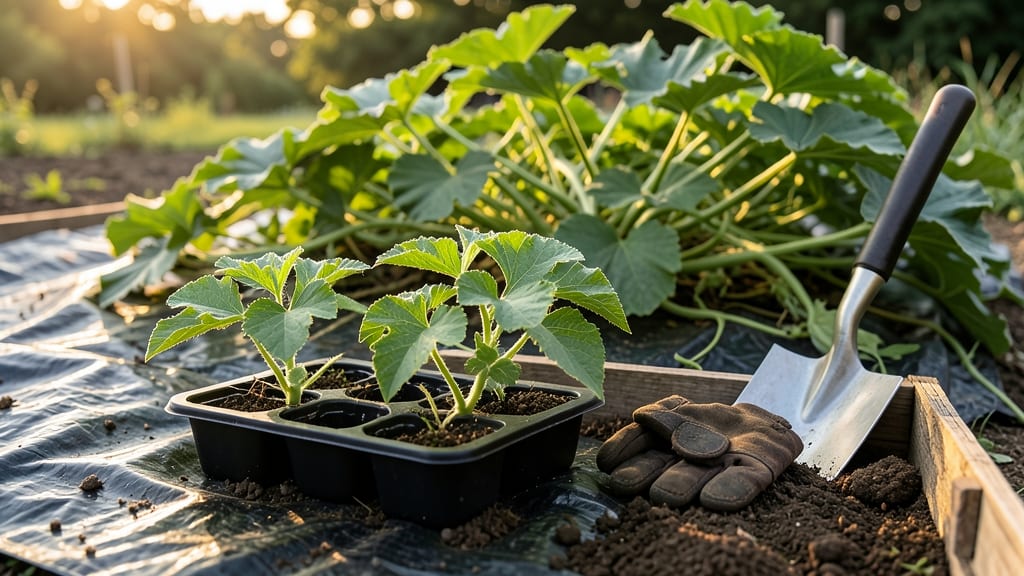
Planting watermelon in Ohio isn't just about checking the calendar—it's all about waiting for that perfect soil temperature of at least 70°F to give your seeds the best shot at thriving.
Too early, and your 🍉 seeds will sit there forever, waiting for warmth they won’t find; too late, and you’ll miss out on that juicy summer harvest.
Most Ohio gardeners make the mistake of following calendar dates instead of soil conditions, but the key is understanding when your ground actually warms up. Whether you're in Zone 6a or a slightly milder microclimate, knowing these tricks can mean the difference between a bumper crop and a disappointing patch.
I’ll show you exactly how to time your planting—whether you’re starting seeds indoors in March or sowing directly after the last frost in mid-April to early June. Plus, I’ll share the fastest ways to warm your soil if Mother Nature is playing hard to get.
Ready to grow watermelons that actually ripen before fall? Let’s get your planting schedule dialed in for Ohio’s unpredictable springs.
Ohio’s ideal watermelon planting timeline by soil temperature (not calendar date)
Ohio’s last frost dates vary dramatically—southern regions like Cincinnati average April 15, while northern areas like Cleveland often wait until May 1. But here’s the gardener’s secret: soil temperature, not calendar dates, determines when watermelons thrive.
Seeds need 70°F+ soil to germinate reliably, and vines grow best when daytime temps stay above 75°F.
Skipping the frost date rule and planting too early? Your seeds will rot in cold, damp soil. Rushing too late? You’ll miss the 90-day harvest window before Ohio’s first frost in mid-October.
The sweet spot? Aim for late May to early June in most of the state, but verify with a soil thermometer—not the almanac.
🌱
| Region | Last Frost Avg. | Ideal Planting Window | Soil Temp Requirement |
|---|---|---|---|
| Southern Ohio (Zones 6b-7) | April 15 | Mid-May to early June | 70°F+ (use black plastic mulch) |
| Central Ohio (Zone 6a) | April 25 | Late May to early June | 70°F+ (wait for consistency) |
| Northern Ohio (Zones 5b-6a) | May 10 | June 1-15 (or start indoors) | 75°F+ (use row covers) |
| All Regions (Indoor Start) | N/A | March 15-April 1 (transplant after last frost) | 65°F+ (seedling stage) |
For direct sowing (planting seeds outdoors), wait until the soil stays above 70°F for 5+ days. In northern Ohio, this often means June 1 or later. Pro tip: Check soil temps in the late afternoon—that’s when it’s warmest and most accurate for germination.
If you’re starting seeds indoors, begin them 4-6 weeks before your region’s last frost date. Use biodegradable pots to avoid transplant shock, and harden off seedlings by exposing them to outdoor conditions for 1 week before planting.
Ohio’s microclimates matter too. Urban areas like Columbus often warm up 1-2 weeks earlier than rural farms due to the urban heat island effect. Test your garden’s microclimate by planting a test crop of radishes—they germinate at 40°F and show you when your soil’s ready.
🌡️
Choose early-maturing varieties like ‘Sugar Baby’ (70 days) or ‘Crimson Sweet’ (80 days) for northern Ohio, while ‘Charleston Gray’ (90 days) works better in southern regions. Always read the seed packet—it lists days to maturity and helps you calculate your planting window.
One last tip: Plant after Memorial Day in most of Ohio. Why? Because late-May frosts are rare, and you’ll avoid the “May madness” of unpredictable weather. Pair this with black plastic mulch to warm the soil faster, and you’ll be harvesting sweet, ripe watermelons by July 4th.
5 Proven soil temperature tricks to speed up watermelon germination in Ohio’s cool spring
Ohio’s unpredictable spring weather can leave watermelon seeds sitting in cold soil for weeks, delaying germination. The key to faster sprouts? Warming the soil before planting. Watermelon seeds need consistent soil temperatures of 70°F (21°C) to germinate reliably—something Ohio’s early spring often can’t provide naturally. Here are my top tricks to create the perfect environment for your seeds to wake up and grow. A soil thermometer is your best friend—bury it 2 inches deep in the soil where you plan to plant. Check temperatures daily in the late afternoon when soil is warmest. If readings stay below 65°F (18°C), your seeds will struggle to sprout, even with the best variety. Start warming your soil 2–3 weeks before your target planting date to give it time to reach ideal levels.Lay down black plastic mulch 1–2 weeks before planting. It absorbs sunlight and raises soil temps by 5–10°F faster than bare soil. Secure edges with soil or bricks to trap heat. Remove mulch after seeds sprout to prevent overheating.
Cover seed beds with a clear plastic tunnel or floating row cover during the day to trap heat. Remove covers at night to prevent condensation. This can add 10–15°F to soil temps on sunny days. Use sturdy hoops or a DIY frame for support.
Place dark-colored containers (like black buckets or bricks) near your planting area. These absorb heat during the day and radiate it into the soil overnight. Group them in a circle around your seed bed for maximum effect.
Plant bush beans or peas nearby 2–3 weeks before watermelons. Their vines create a living mulch that warms the soil. Avoid planting near potatoes or fennel, which can stunt watermelon growth.
Place seeds in a warm, damp paper towel for 12–24 hours before sowing. This jumpstarts germination, giving seeds a head start in cooler soil. Plant immediately after soaking to avoid drying out.
🌱