
Plants
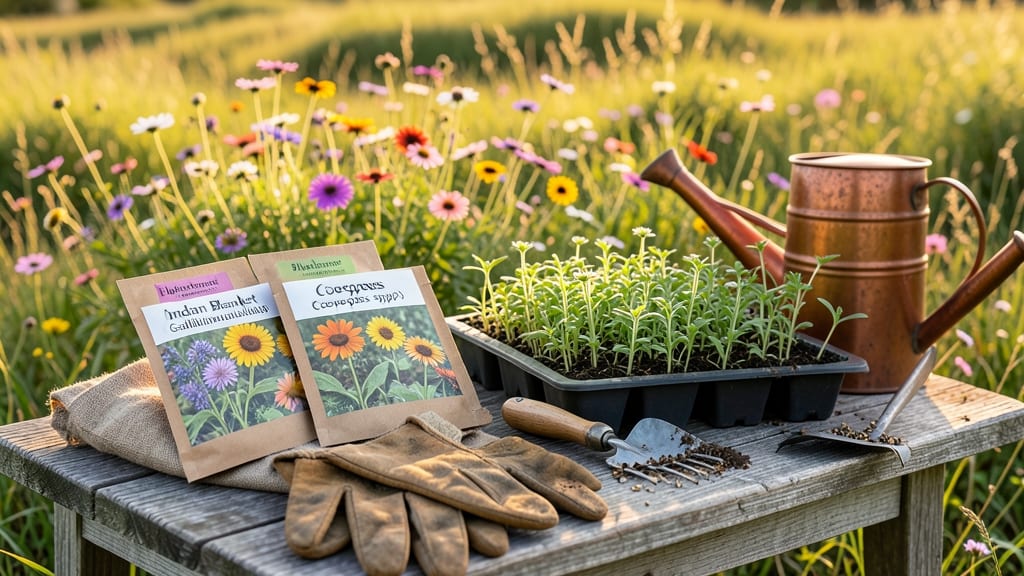
Planting wildflower seeds in Texas isn’t just about timing—it’s about catching the perfect window between brutal heat and unpredictable frost to give your 🌼 a fighting chance.
One wrong move, and your seeds could either bake in the sun or freeze before they even sprout, leaving you staring at a barren patch of dirt where vibrant blooms should be.
If you’ve ever wondered why some Texas gardens burst with color while others struggle, the answer lies in understanding your region’s unique climate.
Whether you’re in frost-prone North Texas or the more forgiving South, knowing the best months to plant can make all the difference between a thriving meadow and a failed experiment.
I’ve tested what works—and what doesn’t—across Texas’s diverse zones, and the secrets to success are simpler than you might think. From the ideal fall planting window to spring strategies that beat the heat, I’ll break down exactly when, where, and how to plant for zero-frost success.
Ready to transform your yard into a wildflower haven? Let’s dive into the game-changer timing that’ll have your garden blooming like never before.
Texas wildflower planting calendar by region: frost-free zones explained
Texas spans four distinct climate zones, each with unique frost risks and optimal planting windows. North Texas freezes earlier than South Texas, while West Texas faces extreme heat year-round. Understanding these differences ensures your wildflower seeds germinate successfully without baking or freezing.
For North Texas (Dallas/Fort Worth), the last frost typically hits around February 15, while the first frost arrives by December 1. This 240-day frost-free window means spring planting (March–April) is ideal, but fall (September–October) works too for cooler-season species like Bluebonnets.
Central Texas (Austin/San Antonio) enjoys a 270-day frost-free season, with last frosts around January 15 and first frosts by November 15. Here, both fall (September–November) and spring (March–April) planting thrive, thanks to milder winters.
South Texas (Houston/Beaumont) has the longest frost-free period (300+ days), with rare frosts after January 1. Plant anytime from September through May, but avoid summer’s brutal heat. West Texas (El Paso/Midland), however, faces extreme heat and drought, requiring fall planting (September–October) for best results.
| Region | Last Frost | First Frost | Best Planting Months | Key Species |
|---|---|---|---|---|
| North Texas (Dallas/Fort Worth) | February 15 | December 1 | March–April, September–October | Bluebonnets, Indian Paintbrush |
| Central Texas (Austin/San Antonio) | January 15 | November 15 | September–November, March–April | Mexican Feather Grass, Blackfoot Daisy |
| South Texas (Houston/Beaumont) | January 1 | November 1 | September–May (avoid summer) | Coreopsis, Salvia |
| West Texas (El Paso/Midland) | January 31 | December 15 | September–October (fall only) | Prickly Poppy, Desert Marigold |
Fall planting (September–November) is my top recommendation for most Texans. Seeds germinate in cooler weather, establish roots before summer heat, and often bloom earlier the following spring. In North and Central Texas, aim for late September to avoid early frosts.
For spring planting (March–April), wait until soil temps reach 60°F+ to prevent seeds from rotting. South Texas gardeners can extend planting into May, but always water deeply to combat heat stress. West Texas requires immediate moisture after planting to prevent seeds from drying out.
Pro tip: Check your local USDA Hardiness Zone (8a–10b in Texas) for precise frost dates. Apps like Texas A&M AgriLife provide real-time updates. Planting at the right time means vibrant blooms instead of wilting seeds.
Native wildflowers like Bluebonnets and Indian Paintbrush thrive in Texas’ climate. These species evolved to handle drought and heat, making them low-maintenance choices for any region. Always opt for region-specific seed mixes to ensure success.
How to prepare wildflower seed beds for Texas heat and drought
Texas’s scorching summers and unpredictable rains demand careful prep before planting wildflower seeds. The key is creating a moist, loose soil bed that mimics the natural conditions these native plants thrive in. Skipping this step means seeds may dry out or struggle to sprout in the intense heat.
Start by clearing your planting area of weeds and debris—this prevents competition for water and nutrients. Use a broadfork or tiller to loosen the top 4-6 inches of soil, breaking up compacted layers.
Native Texas wildflowers like Bluebonnets (Lupinus texensis) and Blackfoot Daisies (Melampodium leucanthum) prefer well-draining soil, so avoid heavy clay areas unless amended.
Next, adjust the soil’s pH if needed—most Texas wildflowers prefer a slightly acidic to neutral range (6.0–7.0). Test your soil with a kit from your local nursery, and amend with pelletized sulfur (to lower pH) or lime (to raise pH) if necessary.
For sandy soils common in West Texas, mix in compost or aged manure to improve water retention without suffocating roots.
Water the prepared bed deeply 24 hours before planting to ensure the soil is moist but not soggy. This step is critical in Texas’s dry climate—seeds need consistent moisture to germinate, but standing water can cause rot.
Aim for 1–1.5 inches of water per week after planting, delivered in the early morning to reduce evaporation.
For extra protection against heat and erosion, apply a thin layer of mulch (like straw or wood chips) after scattering seeds. Mulch keeps soil cool, retains moisture, and prevents seeds from washing away during erratic Texas rains.
Just avoid piling mulch directly on seeds—keep it 1–2 inches away to prevent mold.
Finally, choose the right seeds for your region. South Texas’s humid climate favors Mexican Feather Grass (Nassella tenuissima), while North Texas’s drier air suits Prairie Coneflowers (Ratibida columnifera). Always opt for native seed mixes—they’re adapted to local conditions and require less maintenance.
With these steps, your wildflower seeds will have the best shot at thriving in Texas’s challenging climate. 🌱💧