
Companion Plants
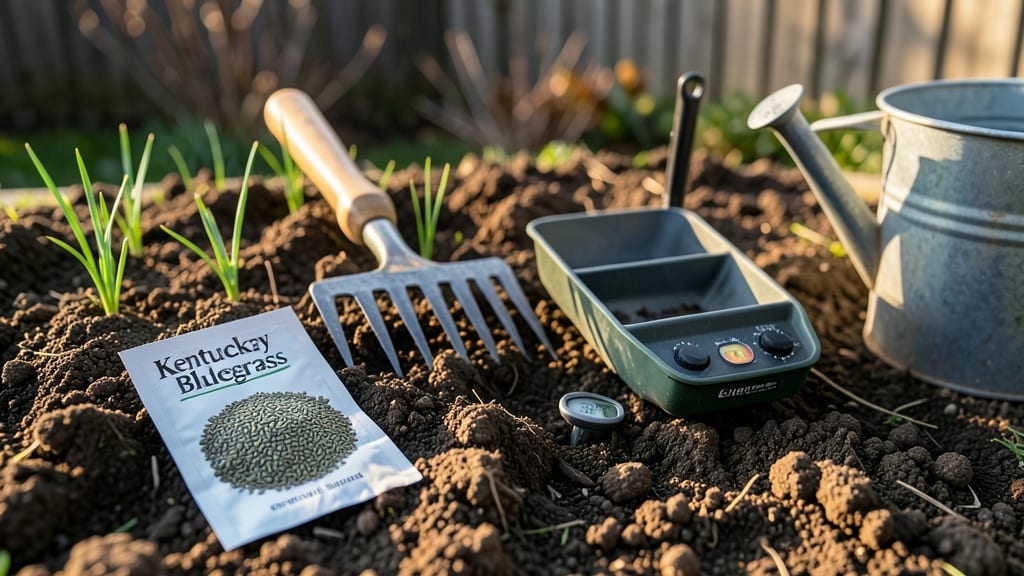
Planting grass seed in spring at the wrong time can mean waiting weeks for sparse, slow-growing patches instead of a vibrant lawn. The key to fast germination lies in understanding your soil temperature and regional climate—especially in Zone 6a, where timing makes all the difference.
Most gardeners assume "early spring" means March, but rushing can backfire if the ground is still too cold. Cool-season grasses like Kentucky bluegrass need soil temperatures between 50°F–65°F, while warm-season types like Bermuda prefer waiting until June when the earth warms up.
Skipping this step often leads to wasted seed and frustration.
I’ll show you exactly how to test your soil’s readiness with simple tools and adjust your planting schedule for optimal results. Whether you’re seeding in March or June, these hacks will help you avoid common mistakes and get that lush, green lawn growing in just 3–4 weeks.
Ready to transform your yard? Let’s dive into the science behind perfect timing and the steps to prep your soil for faster germination—no guesswork required.
Optimal spring soil temperature ranges for planting grass seed
Timing your grass seed planting to match soil temperature is the secret to avoiding patchy lawns and slow germination. Most grass seeds need consistent soil temps between 50°F and 65°F to sprout reliably.
Planting too early when the ground is still cold can leave seeds dormant, while waiting too long risks summer heat stress. Let's break down the science behind cool-season vs. warm-season grasses and how to adjust for your region.
In northern climates (Zones 3-6), aim for 4-6 weeks before your last frost date when soil temps stabilize at 50°F (10°C). This typically falls in late March to early April for most areas.
For southern climates (Zones 7-10), focus on fall planting (September-October) when temps drop to 65°F-75°F (18°C-24°C), but spring planting is still possible in February-March for cool-season varieties.
Here's the critical soil temperature rule: Most grass seeds will germinate in 7-14 days when soil temps are ideal, but below 50°F can delay germination by 3-4 weeks. Warm-season grasses like Bermuda and Zoysia prefer 75°F-85°F (24°C-29°C), so wait until late spring or early summer for them.
| Grass Type | Ideal Soil Temp (°F) | Best Planting Window | Germination Time | Northern vs. Southern |
|---|---|---|---|---|
| Cool-Season (Kentucky Bluegrass, Fescue) | 50°F–65°F | Late March–Early May | 7–14 days | Spring (North), Fall (South) |
| Warm-Season (Bermuda, Zoysia) | 75°F–85°F | Late May–June | 10–21 days | Late Spring (North), Early Summer (South) |
| Ryegrass (Fast-Germinating) | 45°F–60°F | Early March–Late April | 5–10 days | Early Spring (North), Winter (South) |
If you're in Zone 5 or colder, consider planting ryegrass mixes as early as late February—they germinate in 5-10 days even at 45°F (7°C). For Zone 8+, warm-season grasses like St. Augustine can handle spring planting in February if soil temps stay above 60°F (15°C).
Pro tip: Use a soil thermometer to check temps at 4-inch depth (where seeds will be). If temps fluctuate daily, wait until they stabilize for 3-5 days to avoid stressing young seedlings. Early mornings are the best time to test—soil is coolest then.
One common mistake is planting too early when soil is still wet from winter thaw. This creates anaerobic conditions, suffocating seeds. Always aim for dry, crumbly soil that holds moisture but doesn’t feel soggy. A simple squeeze test works: If soil clumps but breaks apart when touched, it’s ready.
For northern gardeners, mark your calendar for 4-6 weeks before your last frost date. If you’re unsure when that is, check your USDA Hardiness Zone—most last frost dates are available online.
For example, Zone 6 (like Chicago or Denver) typically sees last frosts around April 15, so aim for mid-March planting.
Remember: Soil temperature > Air temperature. A 60°F (15°C) day can still have 45°F (7°C) soil—always check below the surface. This is why morning planting is ideal: cooler air temps help maintain stable soil conditions for the first critical 48 hours after sowing.
🌱
How to test soil temperature and adjust planting timing
Testing your soil temperature is the secret weapon for timing grass seed planting perfectly. A simple soil thermometer (just $10 at garden centers) reveals whether conditions are ideal or risky. I always check temperatures at 6 AM in the shade—this mimics when seeds will germinate naturally.
Cool-season grasses like Kentucky bluegrass thrive when soil hits 50°F–60°F, while warm-season types need 65°F–75°F. If your readings are below 50°F, wait—cold soil slows germination and invites rot. I’ve learned this the hard way after planting too early in Zone 6!
🌱
⚠️ Warning: Planting Too Early
Cold soil (45°F or lower) causes:
- 🌱 Slow germination (3+ weeks delay)
- 💧 Rot risk from excess moisture
- 🌡️ Weak seedlings vulnerable to frost
Solution: Wait until soil stays 50°F+ for 5+ days.
If temperatures fluctuate daily, use black plastic mulch to warm soil faster—it can raise temps by 5–10°F in sunny areas. I cover my test plots with mulch 2 weeks before planting to create a stable microclimate for seeds.
For northern climates (Zones 3–5), aim for late April to early May when frost risk drops. In southern zones (7–10), early spring (February–March) works if you’re planting warm-season grasses like Bermuda.
Pro tip: Morning watering (before 10 AM) keeps soil temps stable. Avoid evening water—it cools soil overnight and delays germination. I set a reminder on my phone for 7 AM watering during planting season!
💧