
Companion Plants
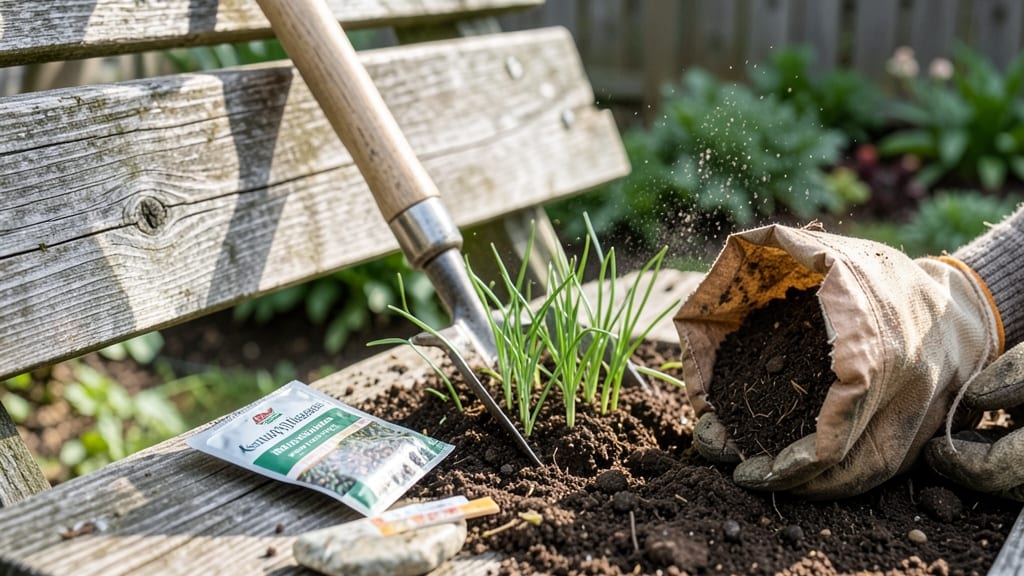
Planting grass seed at the wrong time in spring can leave you staring at bare patches for weeks—while getting the timing right means a fast, lush lawn by summer. The key isn't just checking the calendar but understanding when your soil is ready for 🌱 grass to thrive.
Most gardeners wait for the last frost to pass, but that's only half the battle. Soil temperature is the real game-changer—cool-season grasses need 40°F-55°F to germinate, while warm-season types prefer 65°F-75°F. Planting too early risks frost damage, but waiting too long delays that vibrant green carpet you're dreaming of.
I'll break down the exact soil temperature rules for your region, whether you're in Zone 6a or beyond. You'll learn how to test your soil's readiness (no fancy tools required) and avoid the 5 biggest mistakes that sabotage germination. Let's get your lawn off to the fastest start possible.
From choosing the right grass type for early vs. late spring planting to mastering follow-up care, this guide covers everything you need. Skip the guesswork and start with confidence—your perfect lawn is just weeks away.
Spring grass seed planting timeline: soil temperature rules for fast germination
Planting grass seed in spring is all about soil temperature, not just the calendar date. Most grass seeds need soil between 40°F and 75°F to germinate properly. Cool-season grasses like Kentucky bluegrass germinate best at 50°F-65°F, while warm-season types like Bermuda grass prefer 70°F-85°F.
Waiting for the right soil temp ensures faster germination and stronger roots.
Your local last frost date is a starting point, but soil temperature tells the real story. For example, in USDA Zone 6a, last frost typically arrives around mid-April, but soil may still be too cold for seeding. Always check soil temperature before planting—it’s the #1 factor for success.
Here’s how to test soil temperature accurately: Use a soil thermometer (available for under $10) and check 2-3 inches deep in the soil. If it’s below 40°F, wait. If it’s above 75°F, you’re in the warm-season window—ideal for grasses like Zoysia or Bahia.
Regional differences matter too. In Northern climates (Zones 3-5), aim for late April to early May when soil warms to 50°F+. In Southern regions (Zones 7-9), you can plant as early as February if soil reaches 60°F+. Always adjust for your microclimate—shady spots stay cooler longer.
Don’t rely on air temperature alone—soil warms 3-5°F slower than the air. A sunny 70°F day might still have 55°F soil. For fastest results, plant when soil hits the sweet spot for your grass type. Pro tip: Early morning is the best time to plant—cooler temps reduce seed stress.
If you’re in a transition zone (like Zone 6b-7a), consider two plantings: one in early spring for cool-season grass and another in late spring for warm-season types. This gives you a thicker, greener lawn year-round. Just space them 6-8 weeks apart to avoid competition.
Watch for false springs—those warm spells followed by frost. If soil temps drop below 40°F after planting, cover seeds with straw mulch (1/4 inch thick) to protect them. This trick works wonders for late-season plantings too.
Finally, remember: Fall planting often yields better results than spring for cool-season grasses. But if you’re committed to spring, prioritize soil prep (aeration, compost, and leveling) and consistent moisture to give seeds the best shot at success.
Best grass seed varieties for early vs late spring planting
Choosing the right grass seed variety for your spring planting depends on your climate zone and when you plan to sow. Cool-season grasses thrive in early spring when temperatures are mild, while warm-season grasses prefer late spring when soil warms up.
Let’s break down the best options for each timing to ensure fast germination and a lush lawn.
For early spring planting (March-April), cool-season grasses like Kentucky bluegrass, tall fescue, and perennial ryegrass are ideal. These varieties germinate quickly in 40°F-60°F soil and establish strong roots before summer heat sets in.
If you’re in a northern climate, these are your best bet for a vibrant lawn by late spring.
If you’re planting in late spring (May-June), warm-season grasses like Bermuda grass, Zoysia grass, and St. Augustine grass take center stage. These grasses prefer soil temperatures above 65°F and thrive in hotter climates. They may take longer to germinate but will outperform cool-season grasses in southern regions.
| Variety | Best Planting Time | Soil Temp Range (°F) | Germination Time | Climate Zone |
|---|---|---|---|---|
| Kentucky Bluegrass | Early Spring (March-April) | 40°F-60°F | 10-21 days | Cool (Northern US) |
| Tall Fescue | Early Spring (March-April) | 50°F-65°F | 14-28 days | Temperate (USDA Zones 4-9) |
| Bermuda Grass | Late Spring (May-June) | 65°F-75°F | 7-14 days | Warm (Southern US) |
| Zoysia Grass | Late Spring (May-June) | 65°F-75°F | 14-21 days | Warm (USDA Zones 6-10) |
| Perennial Ryegrass | Early Spring (March-April) | 40°F-60°F | 5-14 days | Cool to Temperate |
If you’re unsure about your local climate, check the USDA Plant Hardiness Zone Map to narrow down your options. For example, Bermuda grass won’t survive a northern winter, while Kentucky bluegrass may struggle in the deep south.
Always match your grass type to your growing conditions for the best results.
Pro tip: Mix cool-season and warm-season grasses in transitional zones (like Zone 7) for year-round greenery. For instance, pair tall fescue (cool-season) with Zoysia (warm-season) to extend your lawn’s vibrant look across seasons. Just ensure each gets planted at its ideal soil temperature for optimal growth.
Once you’ve picked the right grass seed variety, focus on soil prep and consistent watering to give your lawn the best start. With the right timing and care, you’ll see lush green grass in just a few weeks—no matter when you plant in spring! 🌱