
Plants
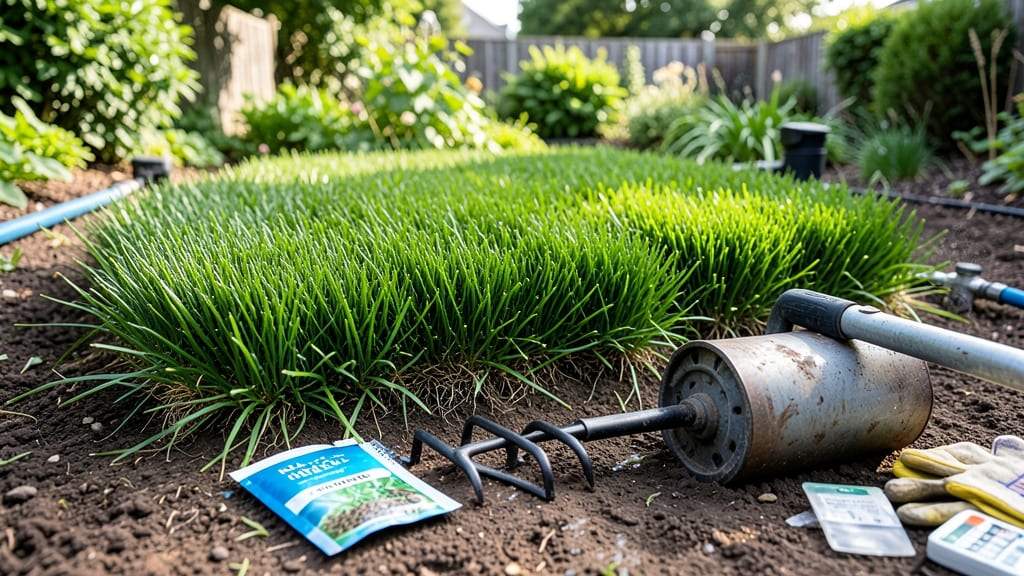
Planting grass in North Carolina at the wrong time can mean the difference between a lush, deep-rooted lawn and a patchy, weak one that struggles to survive.
The best time to plant grass depends on your region—whether you're in the coastal plains, Piedmont, or mountains—because each area has its own frost dates and microclimates.
For most of North Carolina, early spring (March-April) and early fall (August-September) are the sweet spots. These windows give grass 4-6 weeks of ideal growing conditions before extreme heat or cold sets in.
But timing isn’t one-size-fits-all—coastal areas might need to adjust for humidity, while mountain regions should watch for late frosts.
If you’re planting cool-season grasses like fescue, aim for late summer to early fall so roots establish before winter. Warm-season grasses like Bermuda thrive when soil temperatures hit 65°F or higher, making late spring the perfect launchpad.
I’ll break down the exact months for your specific zone and how to prep your soil for success.
Ready to avoid common mistakes like planting too early or ignoring soil moisture? Let’s dive into the science-backed schedule that’ll help your 🌱 Grass (Turfgrass) take root like a pro—no guesswork required.
North Carolina grass planting calendar: best months by region for deep root establishment
North Carolina’s climate varies dramatically across its three main regions—coastal plains, Piedmont, and mountains—each with unique frost patterns and soil conditions. For deep root establishment, timing is everything.
Planting outside these windows risks weak germination, pest invasion, or wasted seed. Here’s the science-backed schedule tailored to your location.
Cool-season grasses like tall fescue and ryegrass thrive when soil temps hover between 50-65°F, while warm-season varieties such as Bermuda and Zoysia need 65-75°F for optimal growth.
Your region’s last frost date is the key factor—plant too early, and frost will kill seedlings; too late, and summer heat stresses them.
Coastal NC (USDA zones 8a-8b) has the longest growing season, with last frosts around March 1. Piedmont (7a-7b) typically sees frost by March 15, while the Mountains (6a-6b) hold frost until April 15. These differences mean your planting window shifts 4-6 weeks depending on elevation.
For cool-season grasses, aim for early spring (March-April) or early fall (August-September). Warm-season grasses should go in late spring (May-June) after soil warms. Overseeding in fall is ideal for fescue, while new lawns benefit from spring planting.
| Region | Best Planting Window | Grass Types | Soil Temp Threshold | Key Risk |
|---|---|---|---|---|
| Coastal NC | Feb 15–March 15 (spring) / Aug 15–Sept 15 (fall) | Tall fescue, Bermuda, Zoysia | 50–75°F | Hurricane delays |
| Piedmont | March 1–April 15 (spring) / Aug 1–Sept 10 (fall) | Fine fescue, Centipede, St. Augustine | 55–70°F | Late frosts |
| Mountains | April 1–May 1 (spring) / Aug 20–Sept 20 (fall) | Kentucky bluegrass, Ryegrass | 50–65°F | Short growing season |
In coastal NC, start seeding tall fescue in late February to beat summer heat, while Bermuda grass thrives when planted in May after soil warms. The Piedmont region’s milder winters allow for earlier spring planting, but avoid overseeding after mid-October—cool nights can stunt growth.
For the Mountains, focus on cool-season grasses like Kentucky bluegrass, which tolerates cooler soils.
Use a soil thermometer to confirm readiness—ideal temps for cool-season grasses are 50-65°F, while warm-season varieties need 65-75°F. In coastal areas, watch for hurricane season delays; shift planting to September if storms threaten. Inland, late frosts are the biggest enemy—wait until nighttime temps stay above 40°F consistently.
For new lawns, spring planting offers 6-8 weeks of growing season before summer stress, while fall planting gives roots time to establish before winter dormancy. Overseeding in fall thickens existing lawns by filling thin patches.
Always water deeply (1 inch per week) during establishment to encourage deep root growth.
Pro tip: Test your soil 4-6 weeks before planting. Coastal soils often need sand amendments for drainage, while Piedmont clay benefits from compost. Adjust pH to 6.0-7.0 for most grasses. Mulch lightly after seeding to retain moisture without smothering sprouts.
Remember, grass type matters. Bermuda and Zoysia dominate coastal lawns, while fescue and bluegrass rule mountain pastures. Choose varieties bred for your USDA zone and microclimate—shade-tolerant fescue for wooded lots, drought-resistant Bermuda for sandy soils.
Timing isn’t just about months—it
5 Critical factors that determine your grass planting success in NC (beyond just months)
North Carolina’s soil pH plays a starring role in grass success—most cool-season grasses like fescue thrive at 6.0-7.0 pH, while warm-season types (Bermuda, Zoysia) prefer 6.0-6.5. Test your soil 4-6 weeks before planting to adjust with lime (raise pH) or sulfur (lower pH).
Coastal areas often need more lime due to naturally acidic soils from rainfall.
Timing your watering schedule is equally critical. New grass needs 1 inch of water weekly during establishment, but morning watering (before 10 AM) prevents fungal diseases like brown patch, common in NC’s humid summers.
Use a rain gauge or tuna can to measure—most home sprinklers deliver too much water in short bursts.
The coastal plain’s hurricane season (June-November) can derail fall plantings. Schedule your early September planting window before storm risks peak. Inland Piedmont and mountain regions face different threats: late spring frosts (April) or early fall freezes (October), which can damage tender new shoots.
Check your USDA zone (6a-8b) for local frost dates.
Weed competition is your silent enemy—crabgrass and clover germinate faster than grass seed. Apply a pre-emergent herbicide 2-4 weeks before planting, then spot-treat weeds as they appear. Organic options like corn gluten meal (apply in early spring) can suppress weeds without chemicals, though they’re less aggressive.
Don’t overlook soil preparation. Rent a core aerator to loosen compacted soil, especially if your lawn has heavy foot traffic. Mix in 2-3 inches of compost to improve drainage and fertility.
In sandy coastal soils, add organic matter to retain moisture; in clay-heavy mountain regions, gypsum can help break up dense particles. Work the soil 4-6 inches deep for deep root establishment.
Finally, grass type matters. Cool-season grasses (fescue, ryegrass) dominate NC’s Piedmont and mountains, while warm-season types (Bermuda, Zoysia) rule the coastal plains. Mixing types? Plant cool-season in early spring and warm-season in late spring/early summer for a seamless transition. Overlap zones risk competition and poor coverage.
Pro tip: Mark your calendar for 4-6 weeks before planting to test soil, prep beds, and order seed. Rushing this step is the #1 reason NC lawns fail—don’t skip it! 🌱
| Factor | Coastal Plain | Piedmont | Mountains |
|---|---|---|---|
| Soil pH Ideal Range | 6.0-6.5 (lime needed) | 6.0-7.0 (test first) | 5.5-6.5 (sulfur may help) |
| Watering Needs | 1 inch weekly (morning) | 1 inch weekly (adjust for rain) | 1-1.5 inches (well-draining soil) |
| Weed Risk | High (crabgrass, nutsedge) | Moderate (clover, chickweed) | Low (but moss in shade) |
| Soil Prep Depth | 4-6 inches (sandy soil) | 4 inches (loamy soil) | 5-6 inches (clay-heavy) |
| Best Grass Types | Bermuda, Zoysia | Tall fescue, ryegrass | Fine fescue, Kentucky bluegrass |