
Plants
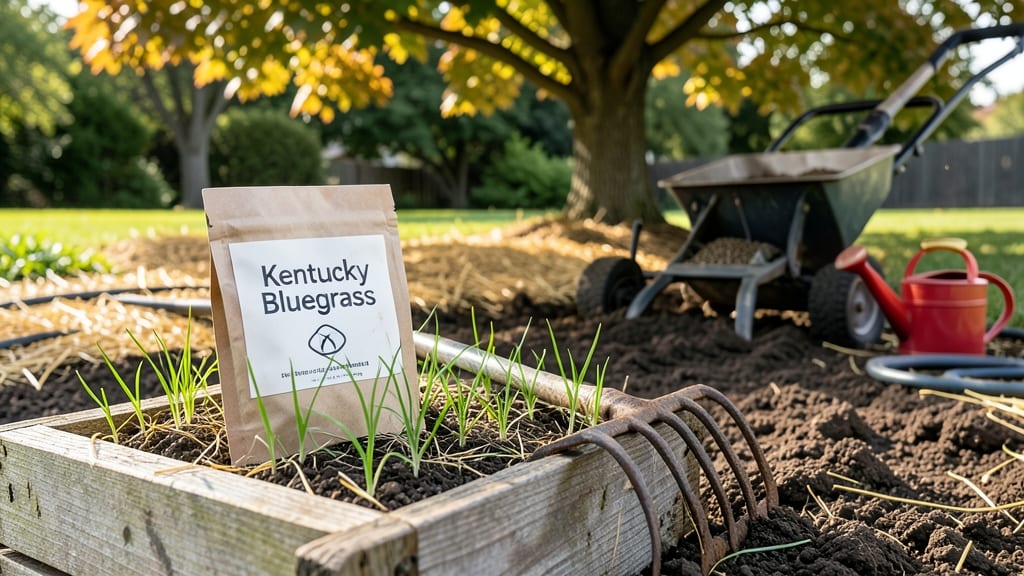
Planting grass seed in Connecticut at the wrong time can mean weeks of frustration watching seeds wash away or fail to take root.
The best window to plant your 🌱 Grass Seed (Turfgrass) isn't just about the calendar—it's about beating the heat, avoiding drought, and giving those tiny sprouts the fighting chance they need to thrive.
Here's the secret: Connecticut's 5b-6b climate gives you two prime opportunities—early spring and early fall—when temperatures and moisture align perfectly for germination. Skip the summer rush, and you'll save yourself from battling heat stress and weeds that steal your lawn's spotlight.
In this guide, I'll break down exactly when to plant for maximum success, how to prep your soil like a pro, and which grass types hold up best in Connecticut's unpredictable weather.
Whether you're seeding a new yard or patching bare spots, timing is everything—and I've got the local insights to help you nail it.
Ready to transform your lawn from patchy to picture-perfect? Let's get started with the step-by-step schedule that works for Connecticut's unique growing seasons.
Optimal planting windows for Connecticut’s climate (USDA zones 6B-7A)
Connecticut’s USDA Zones 6B-7A create a unique growing environment where timing your grass seed planting can make or break your lawn’s success. The best windows are early spring (March-April) and early fall (September-October), when temperatures and moisture align perfectly for germination and root establishment.
These seasons avoid the heat stress of summer and freeze risks of winter, giving seedlings the ideal 50-75°F soil temperature they need to thrive. Northern CT (like Hartford) tends to have slightly cooler microclimates, so adjust planting dates 1-2 weeks later than southern regions (like New Haven).
Spring planting lets you capitalize on increasing daylight and warming soils, while fall offers cooler temps and fewer weeds, plus a head start on root growth before winter dormancy. Both seasons give grass a 6-8 week establishment window before extreme weather arrives.
Here’s how Connecticut’s climate influences your planting schedule:
| Season | Ideal Planting Window | Soil Temp | Key Benefits |
|---|---|---|---|
| Early Spring | Mid-March to mid-April | 50-60°F | Longer daylight, fewer weeds, rapid germination |
| Late Spring | May (avoid heatwaves) | 60-70°F | Risk of drought stress; best for overseeding |
| Early Fall | Late August to mid-October | 60-75°F | Cooler temps, less weed competition, strong root growth |
| Late Fall | November (avoid frost) | Below 50°F | Seeds won’t germinate; waste of money |
🌱 Pro Tip: Check your local CT weather forecast for first frost dates—plant 6 weeks before the average frost to ensure establishment.
For northern Connecticut (Zone 6B), aim for March 15-April 15 in spring and September 15-October 15 in fall. In southern CT (Zone 7A), you can push dates 1-2 weeks earlier due to milder winters. Always test your soil’s moisture and temperature before planting—cool, damp soil is ideal.
If you miss these windows, overseeding in late spring (May) can work, but expect slower growth due to heat and drought risks. Summer planting is not recommended—seeds will dry out or bake in Connecticut’s hot, humid summers.
Connecticut’s variable rainfall patterns also play a role. Spring often brings consistent showers, while fall can be drier. Always have a watering plan ready to supplement rainfall, especially during the critical first 2 weeks after planting.
One common mistake? Planting too early in spring when soils are still cold and compacted from winter. Wait until the ground is workable (not muddy) and daytime temps stay above 50°F consistently. Use a soil thermometer to confirm—ideal germination temps are 60-75°F.
For best results, pair your planting timing with proper soil prep (which we’ll cover in the next section). A well-timed planting + healthy soil = a lush, resilient lawn that handles Connecticut’s humid summers and snowy winters like a pro.
How to prepare your Connecticut lawn for grass seed success
Preparing your lawn properly is just as important as choosing the right planting window. Connecticut’s soil can vary dramatically from northern Fairfield County to southern New Haven, so testing and amending it before planting is critical.
Start by testing your soil’s pH level—most grass seeds thrive in a range of 6.0 to 7.0. If your soil is too acidic or alkaline, you’ll need to adjust it with lime or sulfur.
Once you’ve got your soil pH dialed in, focus on removing weeds and debris. Use a broadleaf herbicide 2-3 weeks before planting to kill existing weeds, then rake the area to create a smooth, seed-friendly surface.
For compacted soil, consider aerating in early fall or spring to improve water and nutrient absorption.
Over-tilling can bury grass seeds too deep, preventing germination. Lightly rake or use a seedbed rake to create just enough texture for good seed-to-soil contact.
Next, choose the right grass seed mix for your lawn’s needs. Connecticut’s climate favors cool-season grasses like Kentucky Bluegrass or Fine Fescue, which handle our hot summers and cold winters better than warm-season varieties. If your lawn gets heavy foot traffic, opt for a durable blend with Tall Fescue included.
Before spreading seed, apply a starter fertilizer with a high phosphorus content (like 5-10-10) to encourage strong root development. This is your chance to give your new grass a nutritional head start.
Spread the fertilizer evenly, then lightly rake it into the top inch of soil to avoid burning young seedlings.
Finally, cover the seeded area with a thin layer of straw mulch (not wood chips) to protect seeds from birds and wind while retaining moisture. This step is especially important in Connecticut’s variable spring weather, where sudden rain or drought can derail germination.
With your soil prepped and seeds protected, you’re ready for the next critical phase: consistent watering. Keep the soil evenly moist (not soggy) for the first 2-3 weeks, and avoid walking on the lawn until the grass reaches 3 inches tall—usually about 6-8 weeks after planting.