
Companion Plants
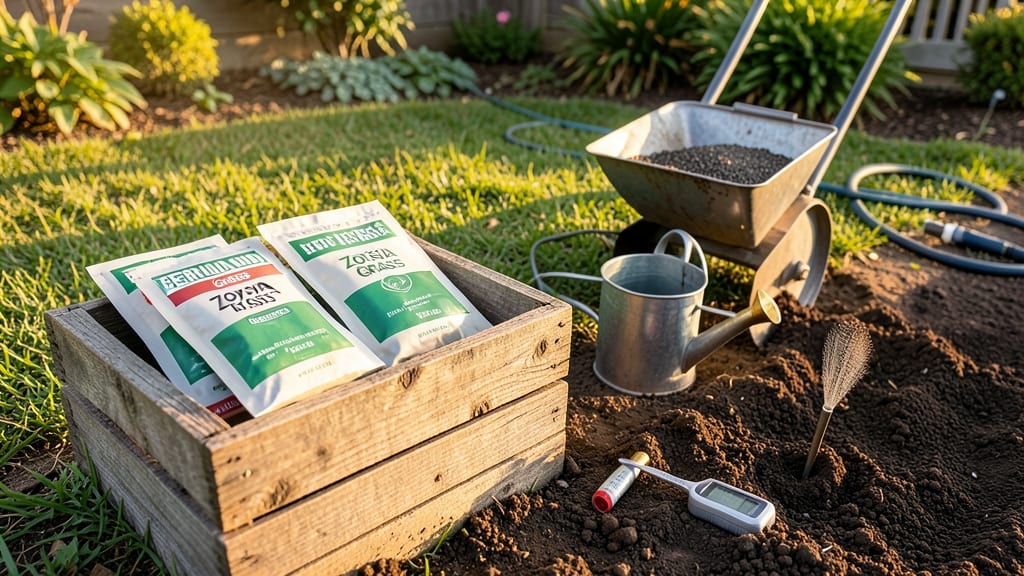
Planting grass seed in South Carolina at the wrong time can leave you with patchy lawns and weak growth—but getting the timing right means a thick, green carpet that survives the state's humidity and heat.
The best window for planting 🌱 is actually two distinct periods: early fall or late spring, when soil temperatures sit in that perfect 60-70°F range.
Why does timing matter so much? Because South Carolina's climate swings from sweltering summers to mild winters, and grass seed needs stable conditions to germinate properly. If you plant too early, frost can kill new shoots; too late, and summer heat will dry them out before they take root.
I'll walk you through the exact months to aim for in USDA Zone 8a, how to prep your soil for maximum success, and which grass varieties thrive best in your region—whether you're in coastal Charleston or the Piedmont hills. Let's make sure your lawn starts strong.
From soil prep to watering schedules, you'll discover the key steps that separate a decent lawn from a showstopper. Ready to transform your yard? Let's get started.
Optimal planting windows in South Carolina’s USDA Zone 8a: early fall vs. late spring
South Carolina’s USDA Zone 8a climate offers two prime windows for planting grass seed: early fall (August-September) and late spring (March-April). These periods align with soil temperatures between 60-75°F, ideal for seed germination and root establishment.
Avoid summer planting—intense heat and humidity stress young seedlings, leading to poor establishment.
Early fall is my top recommendation because cooler temperatures reduce water stress and weed competition. Grass seeds sown in September have 4-6 weeks of warm soil before winter dormancy, giving roots time to anchor deeply. Plus, fall rains in SC provide natural irrigation, cutting your workload.
Late spring planting works well too, but timing is critical. Aim for March-April when soil warms to 65°F+. Planting after mid-April risks summer heat stress, especially in inland areas like Columbia or Greenville, where temperatures can soar past 90°F by June.
South Carolina’s coastal vs. Piedmont microclimates also affect timing. Coastal regions (e.g., Charleston, Myrtle Beach) have milder winters and longer growing seasons, allowing October planting in some years. Inland areas (e.g., Upstate) should stick to August-September to avoid early frosts.
| Factor | Early Fall (Aug-Sept) | Late Spring (Mar-Apr) |
|---|---|---|
| Soil Temp | 65-75°F | 60-70°F |
| Water Needs | Moderate (natural rains) | Higher (dry spring) |
| Weed Competition | Low | Moderate |
| Establishment Time | 4-6 weeks | 6-8 weeks |
| Best For | Cooler climates | Warmer inland areas |
For coastal SC, extend fall planting to early October if your area rarely drops below 50°F at night. Use a lightweight row cover for protection if frost threatens. Inland areas should avoid planting after September 15th—cool nights and dry soil create poor conditions for seedling survival.
Pro tip: Check soil temps with a soil thermometer (available at garden centers). Aim for 60-75°F at 2-inch depth. If temps dip below 55°F, delay planting until conditions improve. This simple step can double your germination rates.
After choosing your window, prioritize soil prep—loosen compacted soil, remove debris, and level the area. In SC’s humid climate, drainage is key; poor drainage leads to fungal diseases like brown patch. Test your soil’s pH (ideal: 6.0-7.0) and amend with compost or lime if needed.
Once seeded, maintain consistent moisture—water lightly twice daily for the first 10-14 days to keep soil evenly damp. Avoid walking on new seedlings, which disrupts root growth. With the right timing and care, your SC lawn will establish thick, resilient turf ready for mowing in 6-8 weeks. 🌱
Optimal planting windows in South Carolina’s USDA Zone 8a: early fall vs. late spring
South Carolina’s humid subtropical climate in USDA Zone 8a creates two ideal windows for planting grass seed: early fall (August-September) and late spring (March-April). These periods align with soil temperatures between 60-75°F, perfect for germination.
Avoid summer planting—intense heat and drought stress young grass, while winter’s cold can stunt growth.
Inland areas like Columbia or Greenville may experience slightly cooler temperatures than coastal regions like Charleston or Myrtle Beach. Coastal zones often have warmer soil earlier in spring and longer fall growing seasons, so adjust your timing by 1-2 weeks later for inland regions.
Always check soil temps with a soil thermometer before planting.
🌱 Comparison Table: Early Fall vs. Late Spring Planting
| Factor | Early Fall (Aug-Sept) | Late Spring (Mar-Apr) |
|---|---|---|
| Soil Temp | 65-75°F | 60-70°F |
| Rainfall | Moderate | Increasing |
| Sunlight | 6-8 hrs/day | 8-10 hrs/day |
| Weed Competition | Low | Moderate |
| Establishment Time | 6-8 weeks | 8-10 weeks |
Fall planting offers cooler temps and consistent moisture, reducing stress on young grass. The first frost date (Nov 15) in SC’s Zone 8a gives seeds 6-8 weeks to establish before winter dormancy.
Spring planting, however, benefits from longer daylight hours that boost photosynthesis, but requires frequent watering during dry spells.
For coastal SC, aim for mid-August to early September in fall, while inland areas should wait until late August to avoid summer heat.
In spring, coastal zones can start as early as mid-March, while inland regions should wait until late March to early April when soil warms consistently above 60°F.
Pro tip: Test soil moisture before planting—it should feel like a wrung-out sponge. If it’s dry, water deeply 24 hours before seeding to create the perfect environment for germination. Mulch lightly with straw after planting to retain moisture and protect seeds from bird foraging.
Timing isn’t the only factor—grass seed variety also matters. Cool-season grasses like Tall Fescue thrive in fall, while warm-season types like Bermuda prefer spring. Choose based on your lawn’s sun exposure and microclimate for best results.