
Plants
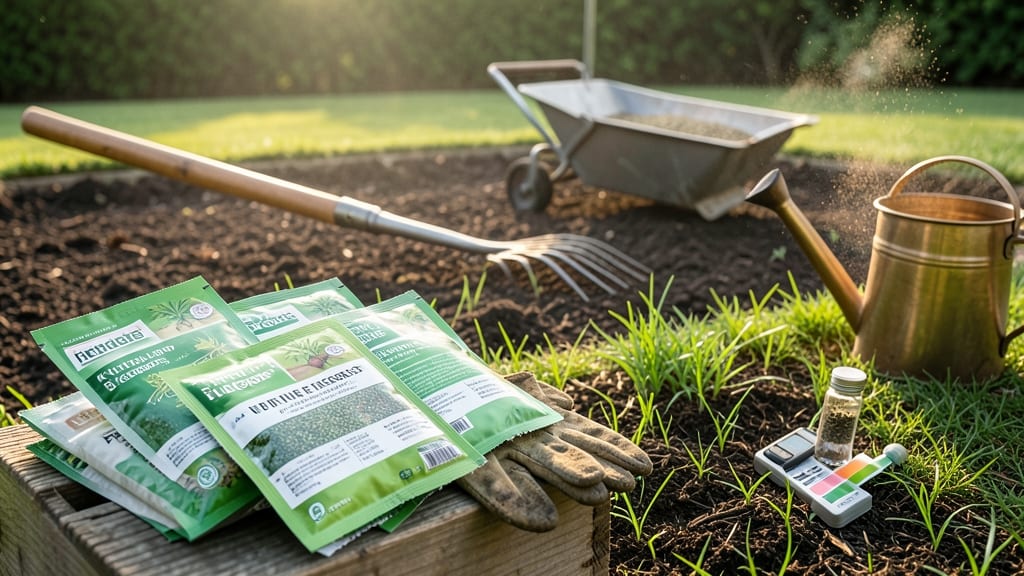
Planting grass seed in Massachusetts at the wrong time can turn your green dreams into a patchy disappointment—unless you know the secret window when soil warmth, moisture, and frost-free days align perfectly for success. 🌱 With USDA zones 5b-6b and unpredictable coastal vs. inland microclimates, timing isn’t just about avoiding frost—it’s about giving your seedlings the upper hand against weeds and drought.
Whether you’re seeding a new lawn or repairing bare spots, the best months (April-May or September-October) make all the difference in whether your grass thrives or struggles.
Most gardeners assume "spring" means March, but planting too early—when soil temperatures hover below 50°F—slows germination and invites weeds. Meanwhile, fall’s cooler air and consistent moisture create ideal conditions, but only if you act 6 weeks before frost.
I’ll break down the exact soil temp cues, regional frost dates (Boston’s April 15 vs. inland areas), and how to adjust for your specific yard—so you can skip the guesswork and start with confidence.
Here’s what you’ll discover: why early September often outperforms spring for deep root establishment, how to prep your soil for maximum seed-to-soil contact, and the 3 critical mistakes that derail even well-timed plantings.
Whether you’re a first-time homeowner or a seasoned landscaper, these insights will help you avoid the most common pitfalls—like overwatering or choosing the wrong grass type for your climate—and get that lush, weed-resistant lawn you’ve been dreaming of.
Ready to transform your lawn? Let’s dive into the precise planting calendar, soil prep checklist, and post-seeding care routine that’ll have your grass seed sprouting strong—no matter where you are in Massachusetts. The perfect window is closer than you think.
Massachusetts grass seed planting calendar: optimal months by soil temperature & frost risk
Massachusetts gardeners know timing is everything when planting grass seed. The best windows are early spring and early fall, when soil temperatures hover between 50°F and 65°F.
This range ensures seeds germinate quickly without competing with summer heat or winter dormancy. Let’s break down the ideal months and regional variations to help you plant with confidence.
In Massachusetts, USDA zones 5b-6b dominate, meaning frost dates shift slightly between coastal areas (like Boston) and inland regions (like Worcester). Coastal zones tend to have 2-3 weeks earlier last frost dates than inland areas.
Always check your local frost-free window—Boston’s average last frost is April 15, while Springfield’s can linger until May 1.
🌱
For precise timing, use a soil thermometer—seeds need consistent warmth to sprout. In spring, aim for 50°F soil temps; in fall, stop planting by October 1 in most regions to avoid winter stress.
Coastal areas like Cape Cod can push planting into early November, but inland zones should halt by late September.
I recommend checking the USDA Plant Hardiness Zone Map for your exact location. For example, Boston (Zone 6b) has a longer frost-free window than Springfield (Zone 5b), so adjust your schedule accordingly. Pro tip: Plant cool-season grasses like Tall Fescue or Perennial Ryegrass—they thrive in MA’s climate.
If you’re unsure about your local frost dates, consult your local cooperative extension office. They provide hyper-local advice tailored to your town’s microclimate. For instance, urban areas like Worcester may experience heat islands, delaying frost slightly compared to rural spots.
Remember, fall planting often yields the best results in Massachusetts because seedlings establish roots before winter. Spring plantings work well too, but you’ll need to monitor for weed competition as temperatures rise. Always test your soil’s pH (6.0–7.0 ideal) and amend with compost or lime if needed.
🌿
How to prepare your Massachusetts lawn for grass seed success
Preparing your lawn properly is the secret weapon for thick, weed-free grass that takes root fast in Massachusetts’ clay-heavy soils. Skipping prep steps can leave you with patchy coverage or weeds stealing the show.
Start by testing your soil pH—ideal levels for most grass types hover between 6.0 and 7.0. If your soil tests too acidic, add pelletized lime 4-6 weeks before planting.
Next, clear the area of existing weeds and debris. Use a broadfork or tiller to loosen the top 2-3 inches of soil, breaking up compacted layers.
For stubborn weeds, apply a pre-emergent herbicide 2 weeks before seeding to block new growth. Post-emergent herbicides work too, but they’ll kill existing weeds—and their roots—so use them carefully.
Prep Checklist for Massachusetts Lawns
Level the soil surface to prevent low spots that hold water or hills that dry out too fast. Mix in 2-3 inches of compost or aged manure to improve drainage and fertility.
If your lawn has bare patches, rake them lightly to create a fine seedbed—think of it as making a soft, crumbly texture like cake batter, not concrete.
For fertilizer, choose a high-nitrogen starter blend (like 16-4-8 or 24-0-5) and apply it 2-3 days before seeding. This gives your grass a growth boost without burning tender seedlings.
Spread it evenly with a broadcast spreader, then lightly rake it into the soil. Organic options like alfalfa meal or fish emulsion work too, but they take longer to break down.
Finally, water the area deeply 24 hours before planting to settle the soil.
Aim for 1 inch of moisture in the top 6 inches—you can check this by digging a small hole and seeing if the soil feels damp like a wrung-out sponge. Overwatering now can wash away your prep work, so balance is key.
With your lawn prepped, you’re ready to seed in the perfect Massachusetts window. Just remember: consistent moisture in the first 2 weeks is non-negotiable for germination. Keep those sprinklers running!