
Plants
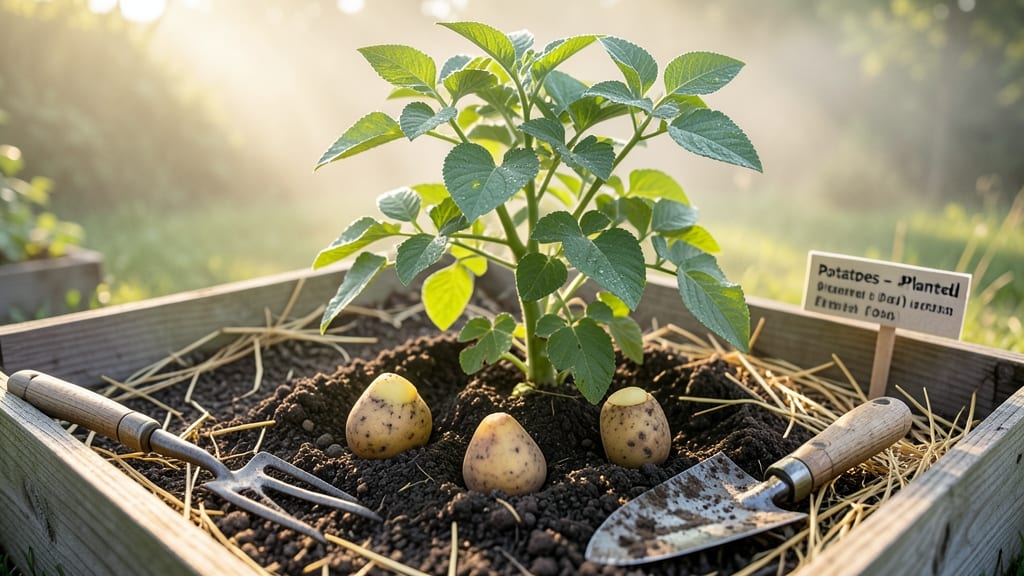
Planting potatoes in Georgia isn’t just about throwing seed potatoes into the dirt—it’s about mastering the perfect timing to beat frost, heat, and humidity while maximizing your harvest.
With the state’s diverse climate zones, from the Piedmont’s rolling hills to the Coastal Plain’s steamy summers, getting the window right can mean the difference between a bumper crop of 🥔 and a wasted season.
If you’ve ever watched your potato plants wilt under early heat or rot from late-season rains, you know how critical timing truly is. The key lies in understanding your specific USDA zone—whether you’re in 7b’s cooler mountains or 8b’s warmer valleys—and aligning your planting with Georgia’s frost-free windows.
I’ll break down exactly when to plant for your county, so you can avoid common mistakes and grow potatoes that thrive.
Most gardeners in Georgia plant their seed potatoes in early spring, but did you know summer planting can also yield a fall harvest? The secret is adjusting for soil temperature, variety selection, and even moonlight cycles (yes, really!).
I’ll walk you through the best practices for both planting windows, so you can confidently choose the right time for your garden.
Ready to transform your potato patch from a gamble into a guaranteed success? Let’s dive into the best planting times for Georgia’s climate zones, plus pro tips to keep your potatoes growing strong from seed to harvest. Your next harvest starts with the right timing—let’s get it right.
Georgia’s frost-free planting windows by county (2024 map & key dates)
Georgia’s diverse climate—from the Coastal Plain to the Blue Ridge Mountains—means the best time to plant potatoes varies by USDA hardiness zone and county. In Zone 7b-8b, most gardeners aim for spring planting (4-6 weeks before last frost) or summer planting (for fall harvest).
But exact dates depend on your location.
For example, North Georgia (e.g., Dahlonega, Blairsville) has later last-frost dates (mid-April), while South Georgia (e.g., Savannah, Brunswick) can plant as early as late February. The Piedmont (e.g., Athens, Macon) falls in between, with ideal planting windows from early March to mid-April.
Here’s a county-by-climate-zone breakdown to help you pinpoint the best time for your garden. Use this as your 2024 planting calendar—mark these dates now to avoid common mistakes like frost damage or missed harvests.
| Climate Zone | USDA Zone | Last Frost Date | Best Planting Window | Harvest Window | Key Counties |
|---|---|---|---|---|---|
| North Georgia (Mountains) | 7b | Mid-April | Late March–Early April | Late June–July | Dahlonega, Blairsville, Blue Ridge |
| Piedmont | 7b-8a | Early April | Early March–Mid-April | Late May–June | Athens, Macon, Gainesville |
| Central Georgia | 8a-8b | Late March | Late February–Early April | Early May–June | Warner Robins, Columbus, Perry |
| South Georgia (Coastal Plain) | 8b | Early March | Late February–Mid-March | Late April–May | Savannah, Brunswick, Albany |
| Summer Planting (Fall Harvest) | All Zones | N/A | Late July–Early August | October–November | Statewide |
For summer planting (a smart strategy in Georgia’s heat), aim for late July to early August to harvest before the first frost in November. This works best for late-maturing varieties like Yukon Gold or Russet. Just be prepared for higher water needs during Georgia’s summer heat.
Pro tip: Use local frost date alerts from the Georgia Weather Network or NOAA to fine-tune your schedule. In high-altitude areas (e.g., North Georgia), wait until soil temps hit 45°F—cold soil delays sprouting and increases disease risk.
If you’re in Zone 8b (e.g., Savannah, Brunswick), you can even try two plantings: one in February (early varieties) and another in August (fall harvest). Just ensure your soil stays moist—Georgia’s summer drought can stress potatoes.
For container growing, adjust your timeline by 1-2 weeks later than in-ground planting. Containers warm up slower, and roots need consistent moisture—critical in Georgia’s humid summers. Use black plastic pots to absorb heat and speed up germination.
Remember: Soil temperature matters more than air temperature. Use a soil thermometer to confirm 50°F+ before planting. In North Georgia, this might mean waiting until mid-April, while South Georgia can start as early as late February.
How to adjust planting time for early vs. late varieties in Georgia
Georgia’s long growing season lets us grow early, mid-season, and late potato varieties, but timing matters. Early varieties like 'Yukon Gold' need cooler soil, while late varieties like 'Russet' thrive in warmer conditions. Let’s break down how to match your potato type to Georgia’s climate zones for maximum yield.
For early varieties, plant 4-6 weeks before your last frost date—typically mid-February to early March in North Georgia and late February to mid-March in South Georgia.
These potatoes mature in 60-90 days, so they’re perfect for escaping summer heat. 'Red Pontiac' or 'Kennebec' are great choices for quick harvests.
Mid-season varieties like 'Katahdin' or 'Dark Red Norland' need 90-110 days to mature. Plant them 2-4 weeks after your last frost date—around mid-March to early April—to avoid spring frost while giving them time to establish before summer heat sets in.
| Variety Type | Planting Window | Days to Maturity | Best Georgia Region |
|---|---|---|---|
| Early (e.g., Yukon Gold) | Mid-Feb to Early Mar | 60-90 days | North & Piedmont |
| Mid-Season (e.g., Katahdin) | Mid-Mar to Early Apr | 90-110 days | All regions |
| Late (e.g., Russet) | Late Mar to Early Apr | 110-120 days | Coastal & South |
Late varieties like 'Russet' or 'Idaho' need 110-120 days to mature, so plant them late March to early April in North Georgia or early April in South Georgia. These potatoes handle Georgia’s hot summers better but risk heat stress if planted too early.
For a fall harvest, try a summer planting in late July—just be ready to harvest by October before frost.
Pro tip: Chit your seed potatoes (sprout them indoors) 2-3 weeks before planting to give them a head start. Place them in a cool, bright spot—60-65°F—until sprouts are ½-inch long. This speeds up growth in Georgia’s shorter frost-free windows.
If you’re in Zone 8b (South Georgia), don’t miss the summer planting window for fall harvests. Plant late July to early August and harvest by October-November before the first frost. Just remember: water consistently during Georgia’s hot, dry spells to prevent scab or blight.