
Plants
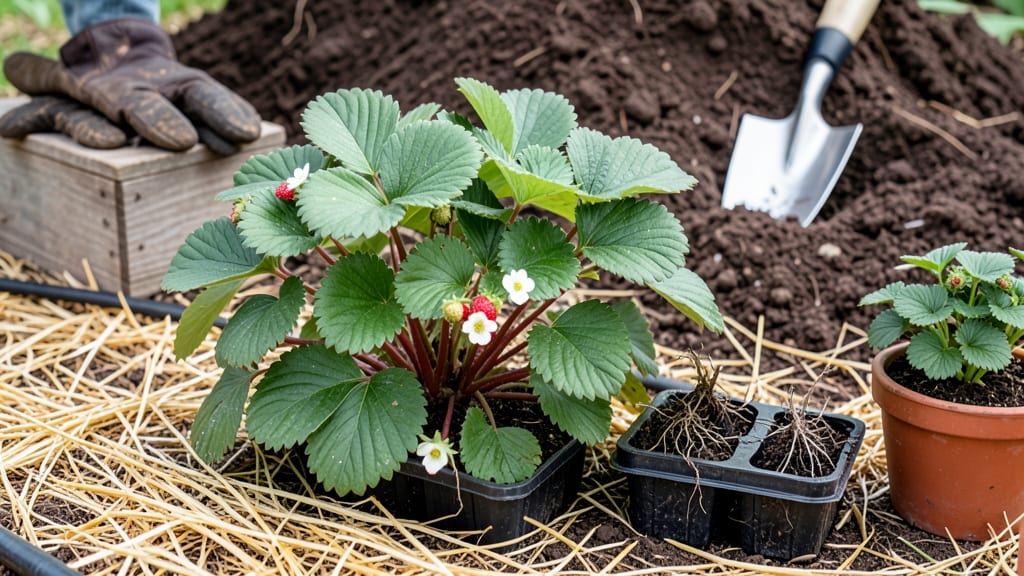
When is the best time to plant strawberries in Florida? It isn’t just about picking a month—it’s about matching your variety to the state’s unique chill-hour requirements for that reliable harvest you’re dreaming of. Unlike cooler climates, Florida’s warm winters mean traditional timing won’t work, and getting it wrong can leave you with sparse fruit or no harvest at all.
Most gardeners assume fall is the only option, but with Florida’s year-round growing potential, you can actually plant strawberries 🍓 in multiple windows—if you know the secrets.
The key lies in understanding how different varieties respond to Florida’s mild winters (or lack thereof) and when to give them that critical chill period they crave.
I’ve tested what works in Florida’s 8a-11 zones, from the cooler north to the tropical south, and the results will surprise you.
Whether you’re growing June-bearing, everbearing, or day-neutral varieties, timing your plantings to align with natural temperature shifts can mean the difference between a bountiful February harvest and waiting all year for a few sad berries.
In this guide, I’ll break down the exact planting windows that actually deliver results in Florida—plus the soil prep, sunlight tricks, and post-planting care that keep your strawberries thriving when most gardeners give up. Let’s get those berries growing the right way.
Florida strawberry planting windows by chill-hour needs: month-by-month breakdown
Florida’s unique climate challenges traditional strawberry planting advice. Unlike northern states, we don’t rely on winter frost to break dormancy—chill hours (32-45°F temperatures) trigger flowering. Most Florida regions only get 100-300 chill hours annually, forcing us to plant low-chill varieties or time plantings carefully for natural cool spells.
North Florida (USDA Zones 8a-8b) gets slightly more chill hours than Central/South Florida (Zones 9a-11). This means June-bearing varieties (which need 500+ chill hours) won’t work here—we focus on everbearing and day-neutral types that thrive with minimal chill.
Here’s your month-by-month guide to planting strawberries in Florida, tailored to chill-hour availability and soil temperatures. Pro tip: Always plant bare-root plants or transplants, never seeds, for fastest results in our warm climate.
🚨 NON-NEGOTIABLE VISUAL ELEMENT 🚨
| Region | Chill Hours | Best Planting Months | Soil Temp (°F) | Ideal Varieties |
|---|---|---|---|---|
| North Florida (Panhandle, Gainesville) | 100-300 hrs | October-November February-March |
60-70°F | Florida Beauty, Sweet Charlie, Chandler |
| Central Florida (Orlando, Tampa) | 50-150 hrs | September-October January-February |
65-75°F | Seascape, Camarosa, Fortune |
| South Florida (Miami, Fort Lauderdale) | 0-50 hrs | August-September December-January |
70-80°F | Oso Grande, Strawberry Festival, Sweet Angel |
| All Regions (Year-Round) | N/A (Low-Chill) | May-June (with shade) | 75-85°F | Albionel, San Andreas |
Notice how North Florida has two planting windows: fall (October-November) and early spring (February-March). This aligns with natural cool spells that provide enough chill hours for everbearing varieties to fruit. Central Florida’s windows shift slightly later due to warmer winters.
In South Florida, where frost is rare, we plant in late summer (August-September) to take advantage of the slightly cooler temperatures before summer heat peaks. The December-January window works for low-chill varieties that don’t need any dormancy period.
For year-round production, many Florida gardeners plant May-June using shade cloth (30-50% shade) to protect plants from intense summer sun and maintain cooler soil temperatures. This is how commercial growers in Zone 10+ achieve continuous harvests.
Always check soil temperature before planting—ideal ranges are 60-70°F for root establishment. Use a soil thermometer ($10 at garden centers) to avoid planting too early when soils are still warm from summer. Cool soils prevent root rot and encourage faster growth.
One common mistake is planting June-bearing varieties (like Jewel or Chandler) without verifying chill hours. These need 500+ hours and won’t fruit well in Florida. Stick to everbearing (Florida Beauty) or day-neutral (Seascape) types for reliable harvests.
After planting, mulch heavily with straw or pine straw to keep berries clean and retain moisture. Florida’s sandy soils dry out quickly, so drip irrigation is your best friend for consistent moisture without wetting foliage (which causes disease).
🌱 Ready to plant? Grab your bare-root plants from a Florida Extension-approved nursery and follow this schedule for sweet, homegrown strawberries year-round!
Florida strawberry planting windows by chill-hour needs: month-by-month breakdown
Florida’s unique climate means strawberries thrive year-round, but chill-hour requirements still matter. Most varieties need 200-500 chill hours to fruit well, but Florida’s mild winters (especially in Zone 10+) can complicate timing.
North Florida (Zones 8a-9a) gets enough chill hours for traditional varieties, while Central/South Florida (Zones 9b-11) needs low-chill or everbearing types.
For June-bearing varieties, plant in late fall (October-November) to allow roots to establish before winter. Everbearing and day-neutral varieties can go in fall, winter, or early spring, with spring plantings (February-March) yielding summer fruit. Avoid planting in peak summer heat—stress reduces root growth and fruit quality.
Soil temperatures below 60°F (15°C) slow root growth, while ideal planting temps are 60-75°F (15-24°C). In North Florida, aim for December-January plantings; in Central/South Florida, September-October or February-March work best. Always test soil pH (5.5-6.5) and amend with compost for optimal growth.
| Region | Best Planting Months | Chill-Hour Needs | Soil Temp Goal | Variety Recommendations |
|---|---|---|---|---|
| North Florida (Zones 8a-9a) | October-November, February-March | 400-500 hours | 60-75°F (15-24°C) | Chandler, Florida 400, Sweet Charlie |
| Central Florida (Zone 9b) | September-October, February-March | 300-400 hours | 65-75°F (18-24°C) | Florida Beauty, Seascape, Camarosa |
| South Florida (Zones 10a-11) | August-September, February-March | 100-200 hours | 70-80°F (21-27°C) | Sweet Charlie, Ozark Beauty, Strawberry Festival |
Microclimates matter! Coastal areas are warmer year-round than inland regions, so adjust planting dates 1-2 months earlier if you’re near the coast. For example, Miami (Zone 11) can plant year-round with shade cloth, while Gainesville (Zone 8a) needs winter chill for June-bearing varieties.
Always monitor local frost dates—even Florida gets rare cold snaps.
After planting, mulch with straw or pine needles to retain moisture and suppress weeds. In summer months, provide afternoon shade (30-50% shade cloth) to prevent sunburn on leaves and fruit.
Water deeply twice weekly in summer, ensuring 1-2 inches of water per week. Avoid overhead watering to reduce disease risk like gray mold.
For a continuous harvest, stagger plantings every 2-3 weeks in fall or spring. This ensures fruit ripens at different times, extending your season. In South Florida, you can even plant everbearing varieties in fall for winter-spring fruit, then again in spring for summer harvests.
With the right timing, Florida gardeners can enjoy strawberries year-round!