
Plants
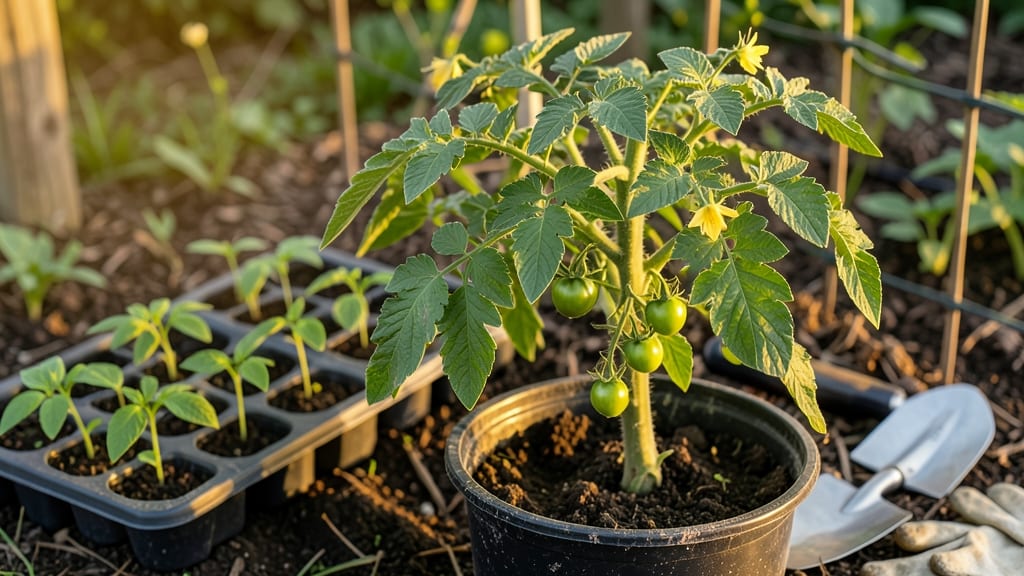
When is the best time to plant tomatoes in Texas? Timing your tomato planting can make or break your harvest—get it wrong, and you’ll either lose plants to frost or watch them wilt under summer’s brutal heat. The best time to plant tomatoes in Texas depends on where you live, with North Texas gardeners waiting until mid-February to early April while South Texas growers can start as early as January. But here’s the secret: soil temperature matters more than the calendar, and I’ll show you exactly when to plant for zero-frost success.
Texas’s diverse climate zones—from 8a’s chilly mornings to 10b’s scorching afternoons—mean one planting window doesn’t fit all. Whether you’re in Dallas, Austin, or El Paso, understanding your local frost dates and heat thresholds is the key to a bountiful 🍅 harvest.
I’ll break down the ideal months for each region, plus pro tips to beat Texas’s biggest tomato-killers: late frosts and sudden heat spikes.
You’ll discover how to time your transplants for perfect soil warmth (60°F minimum), when to harden off seedlings, and even how to stretch your growing season with shade cloth.
No more guessing—just a foolproof timeline tailored to your Texas heat zone. Let’s get those tomato plants in the ground at the exact right moment.
Ready to avoid the two biggest mistakes—planting too early or too late? By the end of this guide, you’ll know exactly when to plant for a season of juicy, vine-ripened tomatoes, no matter where you are in the Lone Star State. Let’s dive in.
Texas heat zones explained: when to plant tomatoes by region (avoid frost & heat stress)
Texas isn’t one-size-fits-all when it comes to growing tomatoes. The Lone Star State spans USDA Zones 6a–10b, meaning frost dates and heat tolerance vary wildly from the Panhandle to South Texas.
Planting too early in North Texas risks frost damage, while South Texas gardeners must battle 100°F+ heat if they wait too long. Let’s break down the ideal planting windows for each region.
For North Texas (Zones 7a–8a), like Dallas-Fort Worth and Amarillo, the last average frost date is March 15. This means you should wait until mid-April to transplant seedlings outdoors. Celebrity or Better Boy varieties thrive here, but they need protection from sudden cold snaps.
In Central Texas (Zones 8a–9a), including Austin and San Antonio, the last frost is around February 15. You can start planting as early as late February, but heat-tolerant varieties like Heatmaster or Solar Fire perform best when transplanted by mid-March to avoid early summer stress.
South Texas (Zones 9b–10b), from Corpus Christi to Brownsville, has a longer growing season with no frost risk after January 15. Here, you can plant tomatoes year-round, but the best times are January–February for spring crops and August–September for fall harvests.
| Region | USDA Zone | Last Frost Date | Best Planting Window | Heat-Tolerant Varieties |
|---|---|---|---|---|
| North Texas | 7a–8a | March 15 | Mid-April to early May | Celebrity, Better Boy |
| Central Texas | 8a–9a | February 15 | Late February to March | Heatmaster, Solar Fire |
| South Texas | 9b–10b | January 15 | January–February (spring) / August–September (fall) | Heatmaster, Sunmaster |
Soil temperature is just as critical as air temperature. Tomatoes won’t thrive until the soil reaches at least 60°F. Use a soil thermometer to check—if it’s cooler, delay planting or use black plastic mulch to warm the soil faster.
In North Texas, this often means waiting until late April.
For fall planting, aim for August–September in most of Texas. This gives seedlings time to establish roots before cooler weather arrives. In South Texas, you can even plant into October, but choose early-maturing varieties like Early Girl to avoid winter chills.
Pro tip: Succession planting every 2–3 weeks ensures a continuous harvest. Start with heat-tolerant varieties in early spring and switch to disease-resistant types like Mountain Merit in late summer to combat fungal risks from Texas humidity.
Remember, Texas heat can stress young plants. If daytime temps hit 90°F+, use shade cloth (30–50%) for seedlings until they acclimate. And always water deeply in the morning to keep roots cool.
Step-by-step planting timeline: month-by-month prep for Texas tomatoes
Texas’s long growing season gives you two prime chances to plant tomatoes—spring and fall. But timing matters. Plant too early, and a late frost will kill seedlings.
Too late, and the heat will stress young plants. Here’s my month-by-month guide to planting tomatoes in Texas, tailored to your region.
Start with soil prep in January-February, regardless of where you live. Test your soil’s pH (aim for 6.0-6.8) and amend with compost or aged manure. In North Texas (Zones 7-8), wait until mid-March to transplant seedlings after the last frost (usually March 15).
In Central Texas (Zones 8-9), you can plant as early as late February, while South Texas (Zones 9-10) gardeners can start in January.
📅 Texas Tomato Planting Timeline
- January-February (South Texas): Start seeds indoors or direct-sow outdoors if soil is 60°F+. Harden off seedlings for 7-10 days before transplanting.
- Late February-March (Central Texas): Transplant seedlings after soil warms to 60°F. Use black plastic mulch to speed up soil warming.
- Mid-March-April (North Texas): Wait until after last frost (March 15). Protect young plants with row covers if nights are still chilly.
- August-September (Fall Planting): Start seeds indoors for transplanting in August. Choose heat-tolerant varieties like 'Heatmaster' or 'Solar Fire'.
- October-November (South Texas): Direct-sow seeds for fall harvests. Use shade cloth to protect seedlings from intense afternoon sun.
For succession planting, sow new seeds every 2-3 weeks in spring and fall to extend your harvest. In North Texas, your last chance is around July 1 for fall crops.
In South Texas, you can plant until September for a winter harvest. Just remember: tomatoes hate cold, so avoid planting when nighttime temps dip below 50°F.
Pro tip: Use drip irrigation or soaker hoses to keep soil consistently moist. Young tomato plants wilt quickly in Texas heat, and recovery can be slow. If you’re starting seeds indoors, give them 12-14 hours of light daily and transplant when they’re 4-6 inches tall with 5-7 leaves.
This ensures they’re strong enough to handle Texas’s unpredictable weather.
Don’t forget to prune suckers (those little shoots in the leaf axils) once your plants are established. This redirects energy to fruit production instead of leaf growth. In extreme heat (above 90°F), provide afternoon shade to prevent blossom drop, where flowers fall off before turning into tomatoes.
With this timeline, you’ll avoid the common Texas tomato mistakes: planting too early and losing seedlings to frost, or too late and struggling with heat stress. Follow these steps, and you’ll be picking homegrown tomatoes from May through October—or even later in South Texas! 🌱