
Trees
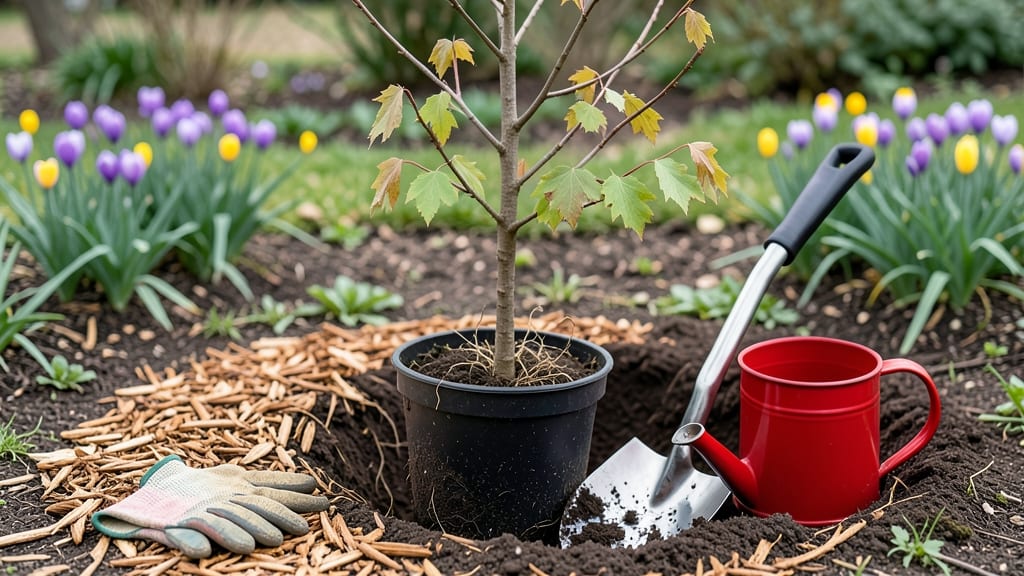
Planting a tree in Illinois at the wrong time can mean the difference between a thriving 🌳 and one that struggles to survive. The best time to plant trees in Illinois isn't just about picking a season—it's about understanding your hardiness zone and how climate affects root growth.
Most Illinois gardeners know spring and fall are ideal, but did you know fall often outperforms spring for root establishment? With USDA zones 5-6 to consider, timing matters more than you might think—especially when comparing Chicago's cooler springs to southern Illinois' warmer climate.
In this guide, I'll break down the exact months for planting in your area, whether you're dealing with deciduous oaks or evergreen pines. You'll learn why September-October is prime for most trees and how to adjust for late frosts or drought-prone patches.
Ready to give your new tree the best possible start? Let's dive into the zone-specific secrets that make all the difference in Illinois.
Illinois hardiness zones & optimal tree planting months by region
Illinois spans USDA hardiness zones 5-6, meaning your planting window depends on whether you're in northern Illinois (zone 5) or southern Illinois (zone 6).
The best time to plant trees in Illinois is during early spring (March-April) or fall (September-October), when soil temperatures are ideal for root establishment. Northern regions have slightly earlier frost dates, while southern areas enjoy a longer growing season.
For bare-root trees, early spring planting (just as the ground thaws) gives roots time to establish before summer heat. Container-grown trees can be planted year-round, but avoid extreme heat or cold.
Fall planting is often preferred because it allows roots to grow undisturbed while the tree enters dormancy, reducing transplant shock.
Soil temperatures below 40°F (4°C) slow root growth, while temperatures above 85°F (29°C) can stress young trees. Illinois' unpredictable spring weather makes timing critical—plant too early, and frost can damage tender roots; too late, and summer drought stresses the tree.
| Region | Hardiness Zone | Best Planting Months | Soil Temp | Key Considerations |
|---|---|---|---|---|
| Northern IL (Chicago, Rockford) | Zone 5 | March 15-April 15 or Sept 15-Oct 15 | 45-65°F (7-18°C) | Watch for late frosts; mulch heavily |
| Central IL (Springfield, Peoria) | Zone 5-6 | April 1-May 1 or Sept 1-Oct 15 | 50-70°F (10-21°C) | Longer window; avoid drought stress |
| Southern IL (St. Louis, Carbondale) | Zone 6 | April 15-May 15 or Sept 15-Nov 1 | 55-75°F (13-24°C) | Extended fall; monitor for early frost |
In northern Illinois (zone 5), aim for March 15-April 15 in spring or September 15-October 15 in fall. The last frost typically occurs around April 15, but late frosts can linger into May, especially in low-lying areas.
For southern Illinois (zone 6), you have until May 15 in spring and can plant as late as November 1 in fall, thanks to milder winters.
Regional microclimates also play a role. Urban areas like Chicago may experience heat islands, where soil warms faster in spring, while rural areas stay cooler longer. Always check your local frost dates—the National Weather Service or Illinois Extension provides updated forecasts.
Planting at the right time ensures your tree establishes strong roots before Illinois' harsh winters.
For evergreen trees like pines or spruces, fall planting is ideal—they establish roots before winter dormancy. Deciduous trees (oaks, maples) also thrive with fall planting, but avoid late fall if frost is imminent.
If you miss the fall window, early spring is your next best option—just be prepared to water deeply during dry spells.
Pro tip: Use a soil thermometer to confirm soil temps are above 50°F (10°C) before planting. In Illinois, this usually aligns with mid-April for spring and mid-September for fall. Warmer soil speeds root growth, giving your tree a head start.
Remember, container-grown trees are more flexible—they can be planted outside the ideal window, even in summer, as long as you provide daily watering and shade cloth during extreme heat. But for bare-root trees, timing is everything—plant outside the recommended window, and you risk stunted growth or failure.
Whether you're planting a shade tree, fruit tree, or ornamental specimen, Illinois' climate rewards patience. By aligning your planting with the natural growing season, you'll give your tree the best chance to thrive for decades to come. 🌳
Why fall planting often outperforms spring in Illinois (and when to avoid it)
Fall planting—specifically September through early October—gives Illinois trees a head start on root growth before winter dormancy. Cooler air and ideal soil temperatures (50-60°F) encourage roots to establish without competing with above-ground growth. This means stronger survival rates and faster establishment compared to spring.
In Illinois’ hardiness zones 5-6, fall-planted trees also benefit from natural winter chilling requirements—many species need this period to break dormancy. Plus, less competition for water in fall means roots can spread deeper before frost sets in.
However, drought-prone areas like southern Illinois may see better results with early spring planting (March-April). The warmer soils thaw faster, giving roots a quicker start before summer heat arrives. For oak trees, which need 2 years to establish roots, spring planting can reduce transplant shock.
Fall Planting Advantages
- ✅ Cooler temps reduce stress on roots
- ✅ Less competition for water and nutrients
- ✅ Natural dormancy protects new growth
Spring Planting Exceptions
- ⚠️ Drought risk in southern Illinois
- ⚠️ Oaks and maples need extra care
- ⚠️ Unpredictable springs delay planting
For container-grown trees, fall planting is ideal year-round except winter. Their roots are already established, so they adapt faster to Illinois’ variable weather. Just avoid planting when soil temps drop below 40°F—roots can’t absorb moisture effectively.
If you’re in northern Illinois (Zone 5), aim for mid-September planting to avoid early frosts. In southern Illinois (Zone 6), stretch planting until early November—just ensure 6-8 weeks of root growth before winter. Mulch heavily (3-4 inches) to insulate roots and retain moisture.
One critical exception: Bald cypress and willows prefer spring planting—their roots need warm soil to thrive. Always check the specific species’ needs before scheduling. For most Illinois trees, though, fall is the gold standard for long-term success.