
Trees
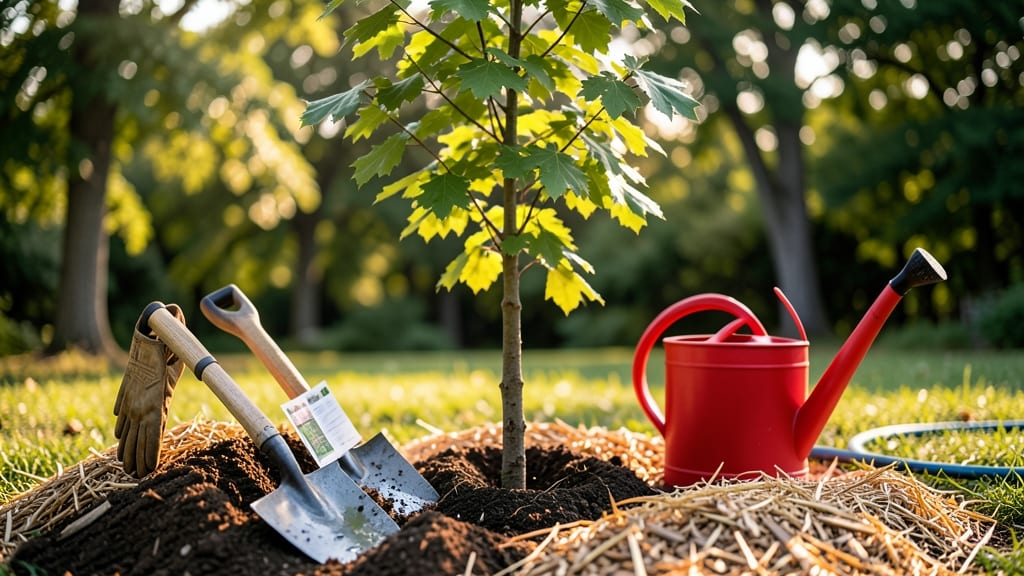
Planting a tree in Wisconsin isn’t just about grabbing a sapling and sticking it in the ground—it’s about timing it perfectly to give your 🌳 the best shot at thriving through brutal winters and short growing seasons.
If you’ve ever wondered why some trees struggle while others grow strong, the answer often comes down to when they hit the soil.
Whether you’re in the chilly 4a zone or the slightly milder 6b, the ideal windows are late April to early June or September to October—but getting it wrong can mean years of disappointment.
I’ve seen firsthand how a well-timed planting can transform a bare spot into a towering shade provider in just a few years. The key? Understanding your zone’s frost patterns, soil prep, and whether your tree is bare-root or container-grown. Let’s break it down so you can plant with confidence.
From avoiding frost heave to choosing the right species for your region, I’ll walk you through every step to ensure your new tree takes root—and stays that way for decades. Ready to get started?
Wisconsin hardiness zones: best planting months by tree type for maximum root establishment
Wisconsin spans USDA Hardiness Zones 3-6, meaning your planting window depends heavily on where you live. Northern regions like Zone 3-4 (e.g., Superior, Rhinelander) face shorter growing seasons, while southern areas like Zone 5-6 (e.g., Madison, Milwaukee) enjoy longer springs and falls.
This variance means a maple tree in Zone 4 might thrive planted in May, while the same tree in Zone 6 could wait until April.
For deciduous trees (like oaks, maples, and birches), the ideal window is late April to early June or September to October. However, coniferous trees (pines, spruces, firs) prefer fall planting to establish roots before winter dormancy.
Fruit-bearing trees, such as apple or cherry, benefit from early spring planting to align with their natural bloom cycle.
Soil temperature is critical—roots need 40°F+ soil to grow actively. In northern Wisconsin, wait until after the last frost (typically mid-May), while southern regions can plant 2-3 weeks earlier. Fall planting should end by early October to allow roots to harden before first frost (usually mid-October).
Here’s how to align your planting with Wisconsin’s zones and tree types for optimal root growth:
| Zone | Tree Type | Best Planting Months | Soil Temp Requirement | Notes |
|---|---|---|---|---|
| 3-4 (North) | Deciduous (Oak, Maple) | Late May - Early June | 45°F+ | Wait for soil thaw; avoid frost heave. |
| 3-4 (North) | Coniferous (Pine, Spruce) | September - October | 50°F+ | Fall roots harden before winter. |
| 5-6 (South) | Fruit-Bearing (Apple, Cherry) | April - Early May | 40°F+ | Plant before bud break. |
| 5-6 (South) | Shade Trees (Linden, Elm) | April or September | 45°F+ | Avoid drought stress in summer. |
Bare-root trees are best planted in early spring or fall when they’re dormant, while container-grown trees offer more flexibility—plant them anytime the ground isn’t frozen. Amend your soil with compost or peat moss to improve drainage, especially in clay-heavy northern soils.
In Zone 5-6, you can even plant in late fall (November) if the ground isn’t frozen, but avoid disturbing roots in freezing temperatures.
For fastest root establishment, prioritize fall planting in Zones 3-4—cooler temps reduce stress, and roots grow until frost. In Zones 5-6, spring planting gives trees a full growing season to establish before winter. Always water deeply after planting to eliminate air pockets and encourage root spread.
Local nurseries like Johnson’s Nursery (Madison) or Lake States Nursery (Superior) stock trees prepped for Wisconsin’s climate. Ask for zone-specific varieties—like autumn blaze maple for Zone 4 or sugar maple for Zone 5—to ensure success. Mulch heavily (3-4 inches) to retain moisture and regulate soil temperature.
If you’re unsure about your zone, use the USDA Plant Hardiness Zone Map or check with your local Extension Office. Timing isn’t just about months—it’s about soil warmth, moisture, and avoiding frost. Get it right, and your tree will reward you with decades of shade and beauty.
🌳
Spring vs. fall planting: which offers better survival rates for Wisconsin trees?
Wisconsin’s cool climate and variable frost dates create a unique challenge for tree planting. Both spring and fall offer advantages, but the best choice depends on your tree type and local microclimate. Let’s break down which season gives your trees the best shot at thriving.
Fall planting—typically from late September to October—lets trees establish roots before winter. The cooler temperatures reduce stress, while consistent moisture from autumn rains encourages growth. This is especially ideal for bare-root trees, which benefit from a dormant season to harden off.
Spring planting, however, offers a longer growing season for root development. Aim for late April to early June, after the last frost but before summer heat sets in. Container-grown trees often do better in spring because their roots aren’t as vulnerable to frost heave as bare-root varieties.
⚠️ Pros & Cons: Spring vs. Fall Planting in Wisconsin
- ✅ Longer growing season for root establishment
- ✅ Less frost risk for container-grown trees
- ✅ Easier soil work (thawed ground)
- ✅ Cooler temps reduce transplant shock
- ✅ Roots grow before dormancy
- ✅ Better for bare-root trees
- ❌ Limited window before summer heat
- ❌ Drought stress risk if planted late
- ❌ Frost heave risk for shallow roots
- ❌ Limited time before winter sets in
For northern Wisconsin (zones 3-4), fall planting is often the safer bet because the growing season is shorter. In southern Wisconsin (zones 5-6), spring planting can work well, especially for heat-loving species like hickory or walnut.
Pro tip: If you’re planting in late fall (November), choose hardy species like oak, maple, or birch. These trees can tolerate early winter better than tender varieties like magnolia or crape myrtle.
Always check your local frost dates—Wisconsin’s can vary by 1-2 weeks between north and south. For the most accurate timing, consult your county extension office or use the USDA Plant Hardiness Zone Map.