
Plants
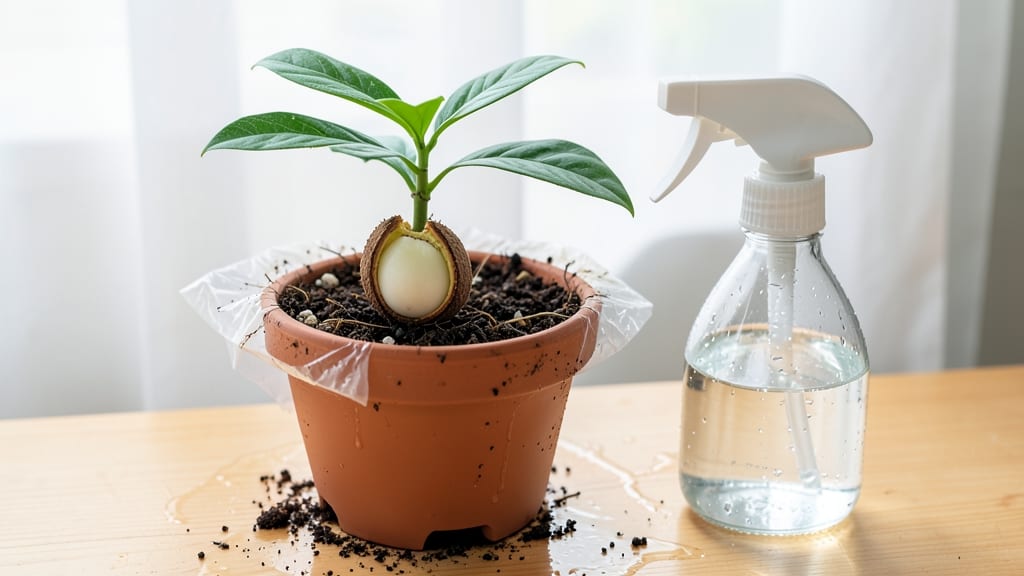
Planting an avocado seed 🥑 in soil at the wrong time can mean the difference between a thriving seedling and a sad, rotting pit. The key isn't just about sticking it in dirt—it's about waiting for the perfect moment when roots are strong enough to handle transplant shock.
Most gardeners make the mistake of rushing this step, but patience pays off. You'll want to start by sprouting your seed indoors first—this usually takes 2-4 weeks—before you even think about moving it to soil.
The goal is to get those roots to reach 2-3 inches before you make the transition.
Once your seedling has developed a sturdy root system, the best time to plant it in soil is during spring, specifically after your last frost date. In USDA Zone 6a, that typically means waiting until March or April when temperatures consistently stay above 50°F.
I'll walk you through every step—from prepping your seed to choosing the right soil and container—to ensure your avocado seedling gets off to the strongest start possible. Let's get those roots growing the right way from day one.
Optimal germination timeline for avocado seeds before soil planting
Before you can plant your avocado seed in soil, it needs to develop strong roots and a sturdy stem. This pre-soil stage is where most beginners struggle—rushing it leads to weak seedlings, while waiting too long risks overgrowth.
Here’s my proven 4-week timeline to prepare your seed for successful transplantation.
Start by cleaning your avocado pit thoroughly. Scrub off any remaining fruit flesh with a brush, then let it dry for 24 hours. This prevents mold, which can kill your seed before it even sprouts.
I always use a paper towel to gently wipe away residue—it’s a small step that saves hours of frustration later.
Next, place your cleaned pit in a glass of water, ensuring only the bottom third is submerged. Change the water every 2-3 days to prevent bacterial growth. You’ll see roots emerging in 2-4 weeks, but don’t rush to plant yet—wait until they reach 2-3 inches long.
Patience here is key to a healthy transplant.
🌱 Step-by-Step Germination Timeline
- Week 1: Clean pit, soak in water (roots begin forming)
- Week 2: Roots reach 1 inch; monitor water levels daily
- Week 3: Roots grow to 2 inches; prepare soil mix
- Week 4: Roots hit 3 inches—ready for soil transplant!
Once your roots hit 2-3 inches, it’s time to introduce your seedling to soil. But don’t just plop it in! First, dip the roots in a rooting hormone (optional but helpful) to boost survival rates.
I use a small pot with well-draining soil—a mix of potting soil and perlite works wonders for avocado seedlings.
The stem should sit just above the soil line, never buried. If you bury it too deep, you risk stem rot, which is a silent killer for young seedlings.
After planting, water lightly and place the pot in bright, indirect light for the first week. This gradual adjustment prevents shock.
After 7-10 days in the pot, your seedling is ready for its final home—whether that’s a larger container or your garden bed. But timing matters here too: spring planting (after last frost) gives your avocado the best shot at thriving. More on that in the next section!
Pro tip: If your seedling’s leaves turn yellow, it’s often a sign of overwatering. Avocados hate soggy roots—let the top inch of soil dry out between waterings. A healthy seedling will have dark green leaves and steady growth, not wilted or spotted foliage.
🌿
Best time of year to transplant avocado seedlings into soil
Timing your avocado seedling’s move to soil is just as critical as the germination stage. Planting too early risks frost damage or root rot, while waiting too long can stunt growth.
In most USDA Zones 9-11, aim for spring planting after the last frost date—typically March-April in warmer climates. For cooler zones (6-8), wait until late April to May when soil temperatures consistently stay above 60°F.
If you’re growing indoors first, transplant outdoors only after your seedling develops 2-3 inch roots and 4-6 inches of stem. This ensures it’s strong enough to handle outdoor conditions.
Check your local frost-free dates—planting too soon can kill tender new growth. For example, in Zone 7, avoid transplanting before May 15.
⚠️ Common Mistakes to Avoid
- Planting in cold soil: Roots need warmth to establish; wait for 60°F+ soil temps.
- Overwatering after transplant: Avocado seedlings hate soggy roots—water deeply but let soil dry slightly between waterings.
- Skipping hardening off: Move seedlings outdoors gradually (1-2 hours daily) for 7-10 days before full transplant.
Pro tip: Use a thermometer to check soil temp before planting—cold soil = stressed roots.
For container growers, you can transplant anytime after roots fill the pot, but spring still offers the best growth window. Place containers in full sun (6+ hours daily) and protect from wind, which can dry out young seedlings.
If you miss spring, fall planting (September-October) works in mild climates, but avoid transplanting near first frost dates.
Regional differences matter: In Florida or California, you can plant year-round, but in New England, wait until June to avoid late-spring frosts. Always monitor your seedling’s leaf color—healthy dark green leaves mean it’s ready; yellowing signals stress from transplant shock.
After transplanting, mulch around the base with 2-3 inches of organic mulch (like wood chips) to retain moisture and regulate soil temperature. This step is non-negotiable in hot climates where soil can dry out quickly. Water deeply at transplant time, then reduce frequency to every 7-10 days once established.
Patience pays off: Your avocado seedling may take 2-3 weeks to adjust to its new home. Avoid fertilizing for 4-6 weeks post-transplant—let roots establish first. Once it’s thriving, feed lightly with a balanced 10-10-10 fertilizer in spring and summer.