
Companion Plants
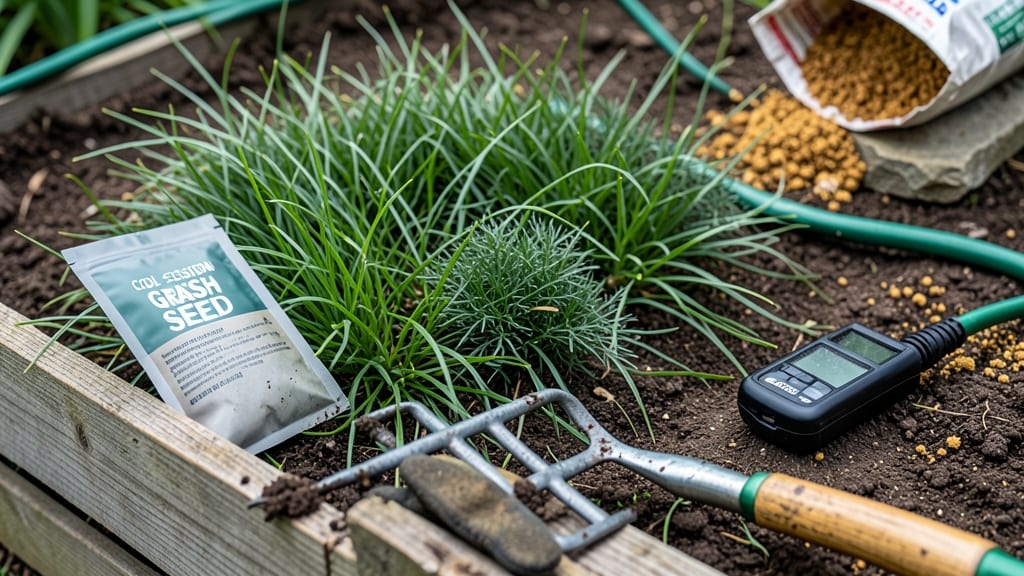
Planting grass seed at the wrong time in spring can leave you staring at a patchy lawn all summer—so timing isn't just important, it's the foundation of success.
The difference between a vibrant 🌱 carpet of grass and a struggling starter lawn often comes down to two factors: soil warmth and frost risk.
In Zone 6a, where early frosts linger until mid-April, waiting until soil reaches 50-65°F is critical. This typically lands in early to mid-spring, but cooler climates may need to push planting into late April. The key is avoiding late-spring planting, which can stress young grass before summer heat arrives.
I've learned the hard way that rushing the process leads to weak germination and stunted growth. What you'll discover here are the exact windows for planting—plus soil prep secrets and post-planting care—that turn your lawn from "meh" to "wow" in just a few months.
Whether you're seeding a new lawn or patching bare spots, these actionable steps will help you time your planting perfectly. Let's get your grass off to the best possible start this season.
Optimal soil temperature & frost-free timeline for spring grass seed planting
Planting grass seed in spring requires precision—timing it right ensures your seeds germinate properly and establish strong roots before summer heat arrives. The ideal window is when soil temperatures consistently reach 50-65°F (10-18°C), and frost risk has passed.
This balance gives seeds enough warmth to sprout while avoiding the stress of early heat or late frosts.
For most regions in the U.S. (USDA Zones 5-8), this typically falls between mid-March and mid-April, but local frost dates and soil conditions can shift this by weeks.
Cool-season grasses like Kentucky bluegrass and fescue thrive in these conditions, while warm-season grasses like Bermuda or Zoysia prefer later planting when soil is warmer.
To pinpoint your perfect planting window, check your last frost date (usually 4-6 weeks before planting) and monitor soil temps with a soil thermometer. Planting too early risks frost damage, while waiting too long may expose young grass to summer drought stress.
Here’s how regional climates affect timing:
| Climate Zone | Ideal Planting Window | Soil Temp Requirement | Key Consideration |
|---|---|---|---|
| Northern (Zones 3-5) | Late April to early May | 50-55°F (10-13°C) | Wait for consistent warmth; frost risk lingers. |
| Mid-Atlantic (Zones 6-7) | Mid-March to April | 55-60°F (13-16°C) | Plant 4-6 weeks before last frost; avoid late spring heat. |
| Southern (Zones 8-10) | Late August to September | 65-75°F (18-24°C) | Spring planting risks summer dormancy; opt for fall instead. |
| Mountain/High Altitude | May to early June | 45-50°F (7-10°C) | Cooler soils delay germination; use cool-season blends. |
If you’re unsure about your local frost dates, use the National Weather Service or your local cooperative extension office for data.
For example, in Zone 6, planting in late March (when soil hits 55°F) often yields the best results, while Zone 9 gardeners should skip spring entirely and plant in fall.
Once you’ve nailed the timing, prepare your soil by removing debris, aerating compacted areas, and adding 1-2 inches of compost to improve drainage and nutrient retention. This step is critical—poor soil prep leads to uneven germination and weak grass growth.
After planting, keep the soil consistently moist (not soggy) by watering lightly twice daily for the first 2 weeks. Avoid heavy watering, which can wash seeds away or cause disease. A light mulch (like straw) helps retain moisture and protect seeds from crusting.
By following these soil temperature and frost-free guidelines, you’ll give your grass seed the best chance to establish a thick, resilient lawn before summer arrives. The key is patience—rushing the process often backfires, so wait for the perfect conditions.
Optimal soil temperature & frost-free timeline for spring grass seed planting
Spring is the perfect time to plant grass seed, but timing is everything. The ideal window is when soil temperatures consistently reach 50-65°F (10-18°C), and the risk of frost has passed.
This balance ensures seeds germinate quickly without being damaged by late frosts—critical for cool-season grasses like Kentucky bluegrass or fescue. For warm-season grasses like Bermuda, wait until soil is at least 65°F (18°C), typically later in spring.
Your last frost date is your best guide. Plant grass seed 4-6 weeks before the average last frost date in your region. For example, in USDA Zone 6a, this usually means mid-March to early April.
Check local weather forecasts or use the National Gardening Association’s frost calculator to pinpoint your exact window. Missing this timing can lead to seeds rotting in cold soil or struggling to establish before summer heat arrives.
Regional differences matter. In northern climates (Zones 3-5), aim for late April to early May when soil warms steadily. In southern climates (Zones 7-10), you can plant as early as February, but avoid late spring—summer heat stress can kill young seedlings.
Always prioritize soil temperature over calendar dates; a soil thermometer is your best tool for accuracy.
| Factor | Cool-Season Grasses | Warm-Season Grasses |
|---|---|---|
| Soil Temp for Planting | 50-65°F (10-18°C) | 65-75°F (18-24°C) |
| Best Planting Window | 4-6 weeks before last frost | After last frost, soil warm |
| Frost Risk | Avoid planting if frost is forecasted | Not frost-sensitive |
| Germination Time | 7-21 days | 14-30 days |
| Establishment Time | 6-8 weeks | 8-12 weeks |
Don’t let late spring planting fool you into thinking it’s safe. Planting grass seed in May or June exposes seedlings to summer heat stress, drying out soil and slowing germination.
If you miss the spring window, opt for fall planting (4-6 weeks before first frost) instead—it’s the second-best time for cool-season grasses. For warm-season grasses, late spring is fine as long as soil is warm and moisture is consistent.
Test your soil’s readiness with a simple paper towel test. Press a damp paper towel against the soil; if it takes 30-60 seconds to dry, the moisture level is ideal.
Pair this with a soil thermometer reading of 55°F+ (13°C+) for cool-season grasses or 70°F+ (21°C+) for warm-season types. This two-step check eliminates guesswork and ensures your seeds get the perfect start.
Once you’ve nailed the timing, focus on soil prep. Loosen the top 4-6 inches of soil, remove debris, and level the area. Adding compost or starter fertilizer boosts nutrients, while a light mulch (like straw) retains moisture.
With the right timing and prep, your grass seed will sprout in 7-21 days, setting the stage for a thick, healthy lawn by summer.