
Companion Plants
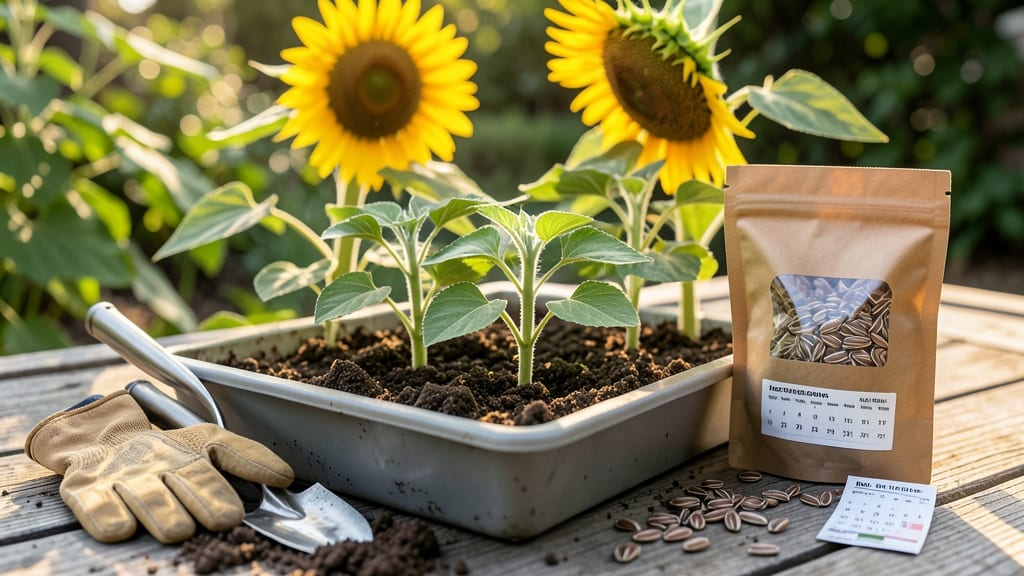
Planting sunflower seeds at the wrong time in Ohio could mean the difference between a 14-foot giant and a sad, stunted 🌻 struggling to stand. The key isn't just waiting for spring—it's timing it with your specific microclimate, whether you're near Lake Erie's humidity or the drier Appalachian hills.
Most gardeners in USDA Zone 6a reach for their seeds between mid-April and early June, but that window shifts dramatically depending on where you live in the state. Too early, and frost will nip your seedlings; too late, and you'll miss the summer heat needed for those towering stems.
I've tested the best planting strategies across Ohio's regions, and what works in Columbus won't necessarily work in Toledo or Athens. Let me show you exactly when to plant for maximum height and blooms, plus which sunflower varieties handle Ohio's unpredictable weather best.
From soil temperature tricks to succession planting hacks, you'll discover how to beat Ohio's climate quirks and grow sunflowers that make your neighbors jealous. Ready to unlock the secrets to sunflower success in your backyard?
Ohio’s best sunflower planting dates by region (with frost-free deadlines)
Ohio’s last frost dates vary wildly—from early April in southern counties to mid-May near Lake Erie—so timing your sunflower seeds is critical for those 10-foot giants you’re dreaming of.
I’ve broken down the optimal planting windows by Ohio’s five key microclimates, including soil temperature thresholds and frost-free deadlines to ensure your sunflowers bolt on schedule.
For northern Ohio (USDA Zones 5-6), where frosts linger until May 15, aim to plant after May 1 when soil warms to 55°F+.
Southern Ohio (Zones 7-8) can start as early as mid-April, but watch for late spring frosts—especially near the Ohio River Valley. Appalachian regions often see earlier last frosts (late April), while Lake Erie’s coastal areas may wait until mid-May due to delayed warming.
Here’s the region-by-region breakdown you need to avoid stunted growth or bolting too early:
Pro tip: Use a soil thermometer to confirm 55°F+ soil temps—cold soil delays germination and can lead to leggy seedlings. If you’re in doubt, wait until mid-May for a safer bet, especially in northern Ohio’s Zone 5 areas where late frosts are common.
For succession planting, sow a second batch 4–6 weeks after your first planting to extend your harvest window into early fall. Just be sure to finish by June 15 in most regions to avoid overwintering issues—sunflowers are annuals and won’t survive Ohio’s winters.
If you’re growing Mammoth sunflowers (the 12-foot giants), give them 8–10 weeks of warm weather to reach their full height. Plant them by May 1 in northern Ohio and by April 15 in southern Ohio for the best results.
Smaller varieties like Teddy Bear can handle a later start (up to June 1) but may bolt faster in hot summers.
Remember: Sunflowers hate cold soil. If you plant too early and hit a late frost, your seeds may rot or sprout too slowly. Always check your local Cooperative Extension Service for updated frost dates—Ohio’s climate shifts yearly! 🌱
For container growing, plant 2–3 weeks later than your in-ground schedule since pots warm up faster but also dry out quicker. Use black pots to absorb heat and accelerate germination in cooler springs. 🪴
Sunflower varieties that thrive in Ohio’s short vs. long seasons
Ohio’s USDA Zones 5–8 create a unique challenge for sunflower growers—northern gardens face shorter growing seasons, while southern areas deal with hot, humid summers.
The right variety can mean the difference between stunted stems and towering giants reaching 12+ feet. Let’s match your location to the perfect sunflower type.
For northern Ohio (Zones 5–6), prioritize early-maturing varieties that bolt quickly before frost. In southern Ohio (Zones 7–8), heat-tolerant types shine, thriving even when temperatures hit 90°F+. Don’t overlook dwarf varieties for containers or small spaces—they’re just as rewarding!
🌱 Pro Tip: Check your last frost date (typically April 15 in most of Ohio) and count backward—sunflowers need 70–100 days to maturity. If your season is short, opt for 50–60-day varieties like Autumn Beauty.
| Variety | Height | Days to Mature | Best For | Ohio Zone Fit |
|---|---|---|---|---|
| Mammoth Russian | 10–14 ft | 85–100 days | Tallest stems, cut flowers | 6–8 (long seasons) |
| Teddy Bear | 3–5 ft | 50–60 days | Containers, early blooms | 5–8 (all zones) |
| Autumn Beauty | 5–6 ft | 60–70 days | Short seasons, bouquets | 5–6 (northern Ohio) |
| ProCut | 5–7 ft | 75–85 days | Florist-quality stems | 6–8 (all but shortest) |
| Russian Giant | 12–16 ft | 90–120 days | Showstopper height | 7–8 (long, hot summers) |
If you’re in Zone 5 or 6, avoid late-blooming varieties like Russian Giant—they’ll struggle to mature before frost. Instead, pair Autumn Beauty with Teddy Bear for a two-tiered harvest: early blooms for cutting and late-season seeds for birds.
For southern Ohio gardeners, heat-tolerant varieties like ProCut or Russian Giant handle humidity better than delicate types. Just ensure well-draining soil to prevent root rot in heavy clay areas.
🌻 Remember: Even the best variety needs full sun (6+ hours daily) and consistent moisture during germination. Skip the shortcuts—your sunflowers will thank you with bold blooms and record-breaking stems!