
Companion Plants
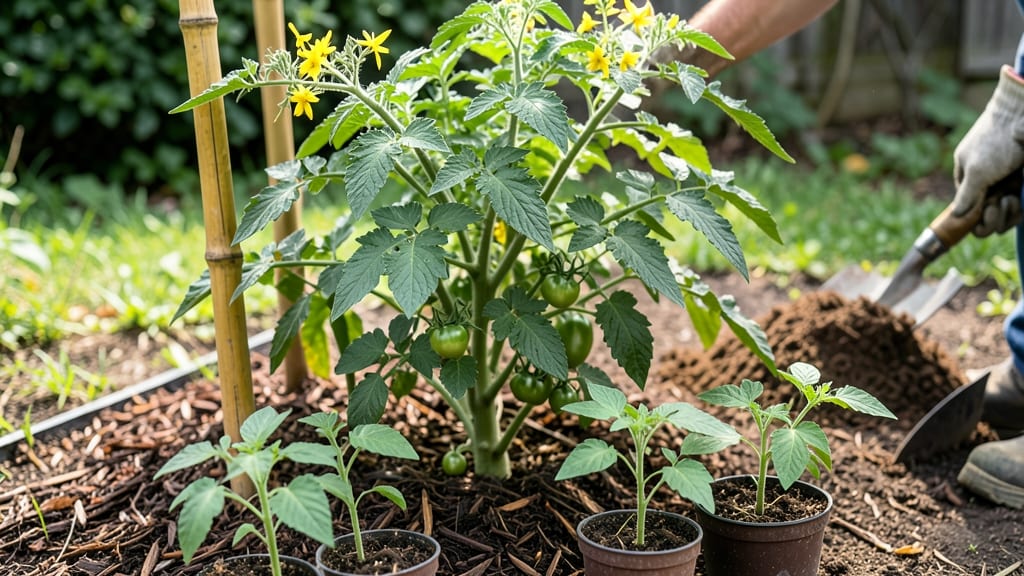
Planting tomatoes in Tennessee isn’t just about waiting for spring—it’s about timing them perfectly to beat frost and blight, whether you’re in the cool mountain valleys or the humid river bottoms.
The wrong move could mean watching your seedlings freeze overnight or your harvests rot before they ripen, but with the right strategy, you’ll be feasting on homegrown 🍅 all summer.
Tennessee’s climate varies wildly from USDA Zone 5a in the Appalachians to Zone 8b near Memphis, which means your planting window could shift by 4-6 weeks depending on where you live.
I’ll break down the exact months to start seeds indoors, transplant seedlings, and even adjust for late varieties—so you never miss the sweet spot between frost and heat.
Whether you’re a first-time gardener or a seasoned grower, knowing when to plant isn’t just about dates—it’s about soil temperature, microclimates, and even the type of tomato you’re growing. Let’s dive into the heat-zone-specific secrets that’ll give you the most productive harvest possible.
From early starts in cold frames to succession planting for fall tomatoes, I’ll cover everything you need to make sure your garden thrives—no matter which corner of Tennessee you’re in. Ready to turn your backyard into a tomato powerhouse?
Tennessee heat zones & exact planting months by region
Tennessee spans USDA hardiness zones 5a to 8b, meaning frost dates and planting windows vary dramatically.
In the Appalachian Mountains (zones 5a-6b), you’ll need to start tomatoes indoors by February 15th to avoid late frosts, while in Memphis (zone 7b-8a), you can direct-sow as early as March 15th. The key is aligning your planting with soil temperatures above 60°F—critical for germination.
For pre-sprouted transplants, wait until 2 weeks after your last frost date (typically April 15th in East Tennessee to March 1st in West Tennessee). Direct-sowing seeds requires even warmer soil—aim for May 1st in cooler zones and April 1st in warmer areas—to prevent damping-off disease.
My rule of thumb? Use a soil thermometer to confirm 65°F+ soil temps before planting.
Here’s how Tennessee’s regions break down for optimal planting:
| Region | USDA Zone | Last Frost Date | Transplant Window | Direct-Sow Window |
|---|---|---|---|---|
| East Tennessee (e.g., Knoxville, Chattanooga) | 6a-7a | April 15th | April 30th - May 15th | May 15th - June 1st |
| Middle Tennessee (e.g., Nashville, Murfreesboro) | 7a-7b | April 1st | April 15th - May 1st | April 30th - May 15th |
| West Tennessee (e.g., Memphis, Jackson) | 7b-8a | March 15th | March 30th - April 15th | April 15th - April 30th |
In East Tennessee’s high elevations, like Gatlinburg (zone 6a), I’ve seen gardeners use row covers to extend the season by 3-4 weeks.
Meanwhile, in West Tennessee’s zone 8a, you can even squeeze in a fall planting of fast-maturing varieties like 'Early Girl' around July 15th for a late harvest.
Pro tip: Check the UT Extension’s frost maps for your exact location—some valleys in East Tennessee can experience 2-3 weeks later frosts than nearby ridges. For example, Sevierville (zone 6b) might align with Middle Tennessee’s schedule, while Clingmans Dome (zone 5a) requires a full month earlier start.
Soil prep is just as critical as timing. Amend your beds with compost or aged manure in late winter to warm up faster.
In my Nashville garden (zone 7a), I’ve found that black plastic mulch raises soil temps by 5-10°F, letting me plant 2 weeks earlier without risking cold damage.
For container growing in urban areas, use heat-absorbing pots (like black fabric grow bags) and place them in south-facing spots. I’ve had success with 'Tiny Tim' tomatoes in containers by April 1st in Memphis, even when ground planting wasn’t yet possible.
Remember: Succession planting every 2 weeks after your initial transplant date ensures a continuous harvest. In West Tennessee’s longer growing season, this means you could have tomatoes from June through October with proper planning.
One common mistake Tennessee gardeners make? Planting too early in cool, wet springs. This leads to blossom end rot or fungal diseases. Always wait for consistent 70°F+ daytime temps before setting out plants—even if the frost date has passed.
🌱
How to extend your tomato growing season in Tennessee’s short summers
Tennessee’s summers may feel long, but tomato plants need every extra week they can get. If you’ve ever watched your plants struggle under early autumn frosts or wilt in heat waves, you know how frustrating the short growing window can be.
The good news? With the right techniques, you can extend your harvest by 4-6 weeks—or even longer—by protecting your plants from both cold snaps and scorching heat.
Many gardeners in East Tennessee’s cooler microclimates (like the Smoky Mountains) or West Tennessee’s intense humidity (near Memphis) face unique challenges. The key is layered protection: combining soil warming, windbreaks, and temporary covers to create a microclimate that mimics ideal growing conditions.
Let’s break down the most effective strategies I’ve tested in my own garden—and the mistakes that cost me harvests.
🌱 Pro Tip: Start with soil prep in early spring. Amend your beds with compost and black plastic mulch 2-3 weeks before planting. This warms the soil faster and suppresses weeds, giving your tomatoes a head start on the season. In my Zone 7a garden, this alone added 10-14 days to my first harvest!
| Technique | Best For | When to Use | Extension Gain |
|---|---|---|---|
| Black plastic mulch | Soil warming & weed control | 2-3 weeks before planting | 2-3 weeks |
| Floating row covers | Early frost protection | Late spring/early fall | 3-4 weeks |
| Cold frames | Overwintering transplants | Fall (after first frost) | 6-8 weeks |
| Shade cloth (30-50%) | Heat protection | Mid-July to August | 2-3 weeks |
| Succession planting | Staggered harvests | Every 2 weeks | 4-6 weeks total |
One of the biggest mistakes I see Tennessee gardeners make is planting all their tomatoes at once. Instead, try succession planting: sow a new batch every 2 weeks from late April through early June. This ensures you’re always harvesting ripe tomatoes while others are still maturing.
In Middle Tennessee (Zone 7b), I’ve had three overlapping harvests using this method—one in June, another in August, and a final flush in September!
For late-season protection, don’t underestimate the power of floating row covers. These lightweight fabrics (like Agribon) let sunlight and water through while blocking light frosts down to 28°F.
I use them on my cherry tomato plants in October, and they’ve survived temperatures as low as 26°F with no damage. Pair them with straw mulch around the base to insulate the soil further.
If you’re growing in containers or urban spaces, consider moveable trellises. As summer heat builds, shift your pots to shadier spots (like under a deck) during the hottest hours.
This simple trick can double your yield in Tennessee’s Zone 8a heat. Just remember to bring them back to full sun by late afternoon for photosynthesis.
Finally, avoid these common pitfalls:
- Planting too early without soil warming (wait until soil reaches 60°F)
- Skipping mulch (leads to soil temperature swings)
- Using plastic row covers directly on plants (traps moisture and causes blight)
- Ignoring pest pressure in extended seasons (watch for hornworms in late summer)
☀️