
Planting
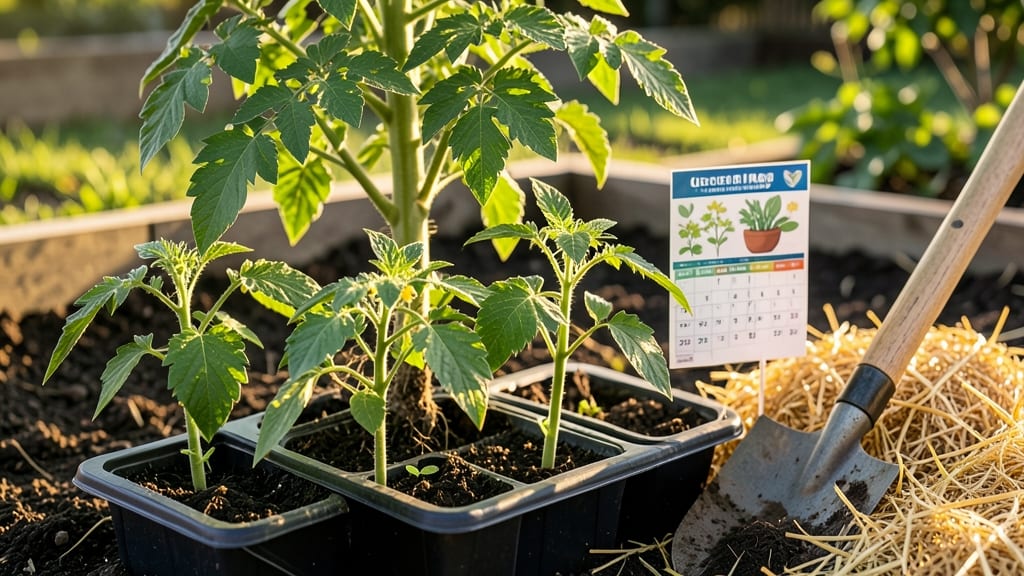
Planting a garden in Ohio isn’t just about grabbing seeds and sticking them in the dirt—it’s about mastering the perfect timing to beat unpredictable frost and maximize your harvest.
With USDA zones 6a-6b and microclimates that can shift planting windows by weeks, getting it wrong means wasted effort or stunted growth.
I’ve seen Ohio gardeners struggle when they plant too early and lose seedlings to late frosts—or too late and miss the best growth window.
The key is knowing your last frost date (usually mid-April) and adjusting for your specific corner of the state, whether you’re near Lake Erie’s cooling breezes or in Columbus’s urban heat.
In this guide, I’ll break down the exact planting deadlines for your zone, plus pro tips to stretch your season with row covers and cold frames. You’ll learn which crops thrive in Ohio’s spring soil and how to time everything—from spinach to tomatoes—like a local pro.
Ready to turn your Ohio garden into a thriving 🌱 success? Let’s get started with the dates and strategies that actually work for your backyard.
Ohio planting deadlines by USDA zone: exact dates for cool-season vs. warm-season crops
Ohio spans USDA zones 5a through 6b, meaning your planting schedule can vary by 2-3 weeks depending on where you live. The average last frost date shifts from April 15 in northern Ohio (zone 5a) to May 1 in southern Ohio (zone 6b).
These dates separate success from failure for seedlings, so let’s break it down by zone and crop type.
For cool-season crops like lettuce, spinach, and peas, you can start planting 4-6 weeks before your last frost date. In zone 5a (northwest Ohio), that means mid-March, while zone 6b (southern Ohio) gardeners can wait until late March.
These crops thrive in 50-65°F soil and can even handle light frosts.
Warm-season crops like tomatoes, peppers, and basil, however, must wait until after your last frost and until soil temperatures reach at least 60°F. In zone 5a, that’s typically May 15, while zone 6b can start as early as April 20.
Planting too early risks stunted growth or death from cold soil.
🌱 PRO TIP: Use a soil thermometer to confirm temperatures before planting warm-season crops. Ohio’s spring can be deceptive—cool nights can keep soil cold even when air temperatures rise.
| USDA Zone | Average Last Frost | Cool-Season Planting Window | Warm-Season Planting Window | Soil Temp Requirement |
|---|---|---|---|---|
| 5a (Northeast Ohio) | April 15 | Mid-March to April 15 | May 15 | 50°F (cool crops) / 60°F (warm crops) |
| 5b (Central Ohio) | April 20 | Late March to April 20 | May 1 | 50°F (cool crops) / 60°F (warm crops) |
| 6a (Southwest Ohio) | April 25 | Late March to April 25 | April 25 | 50°F (cool crops) / 60°F (warm crops) |
| 6b (Southern Ohio) | May 1 | Late March to May 1 | April 20 | 50°F (cool crops) / 60°F (warm crops) |
🌱 Note: Adjust dates by 1-2 weeks for urban areas (warmer) or rural valleys (cooler).
Fall planting is just as critical in Ohio. For cool-season crops, aim to plant 60-90 days before your first frost (typically August 15 in zone 5a to September 1 in zone 6b). This gives plants time to mature before winter sets in.
Ohio’s first frost dates range from October 15 in southern Ohio (zone 6b) to October 30 in northern Ohio (zone 5a). If you’re growing warm-season crops like peppers or eggplants, use row covers or cold frames to extend your harvest window by 2-4 weeks.
Don’t forget about perennials and bulbs! Plant spring-blooming bulbs (like tulips and daffodils) in fall (October-November) to give them time to establish roots before winter. Summer-blooming perennials (like coneflowers) can go in early spring (March-April) or fall (September-October).
For container gardening, you can push planting dates by 1-2 weeks because containers warm up faster than in-ground soil. Just be prepared to move pots indoors if frost threatens. My herbs like basil and cilantro thrive in containers, letting me enjoy fresh flavors 2 weeks longer than in-ground plants.
🌿 REMEMBER: Always check Ohio State University Extension’s local frost date maps for the most current data. Weather patterns shift yearly, and being 1-2 weeks off can mean the difference between a bountiful harvest and a sad, wilted garden.
How Ohio microclimates affect your planting schedule: urban heat islands, lake effects, and valley frost zones
Ohio’s diverse geography creates microclimates that can shift planting dates by 1-3 weeks—even within the same USDA zone. A garden in Toledo near Lake Erie might experience cooler temperatures due to lake-effect winds, while Columbus’s urban heat island can push spring planting 2 weeks earlier than rural areas.
Understanding these variations helps you avoid late frosts or heat stress in delicate seedlings.
For example, northwest Ohio (zone 5b) often sees later last-frost dates (mid-May) compared to southeast Ohio (zone 6b), where frost typically retreats by early April. Even within cities, valley gardens in Appalachian regions can experience frost pockets long after surrounding areas warm up.
These differences mean your neighbor’s successful tomato harvest might not translate to your garden without adjustments.
🌱
| Microclimate Type | Key Characteristics | Planting Adjustments | Example Ohio Locations |
|---|---|---|---|
| Urban Heat Islands | Concrete and buildings trap heat; 5–10°F warmer than rural areas | Plant heat-loving crops (peppers, okra) 2 weeks earlier; use shade cloth for leafy greens | Columbus, Cincinnati, Cleveland |
| Lake-Effect Cooling | Lakes (Erie, Huron) delay spring warming and extend frost risk | Wait 1–2 weeks longer for cool-season crops; use row covers for early plantings | Toledo, Sandusky, Cleveland shorelines |
| Valley Frost Zones | Cold air settles in low-lying areas; frost lingers 7–10 days later | Start hardy crops (kale, spinach) in containers for flexibility; monitor local frost alerts | Hocking Hills, Zaleski |
| Rural Open Fields | Faster warming; minimal temperature extremes | Follow standard zone deadlines; ideal for succession planting | Wayne County, Auglaize County |
If you’re unsure about your microclimate, track local data for 2–3 years. The Ohio State University Extension provides free frost date maps and historical records by county.
For example, Lima (zone 6a) might see its last frost on April 15, while nearby Delaware (zone 6b) could be frost-free by April 1. These differences matter when choosing warm-season crops like tomatoes or peppers, which won’t tolerate frost at any stage.
For urban gardeners, consider vertical gardening or container plants to move crops closer to your home’s heat or away from cold drafts. In rural areas, use windbreaks (like hedges or fences) to protect seedlings from late-spring winds, which can dry out soil and stunt growth.
Even a 5-foot-tall fence can create a 1–2°F warmer microclimate behind it, extending your planting window by days.
Pro tip: Test your soil temperature with a soil thermometer before planting. Most cool-season crops (like lettuce or peas) thrive in soil 40–50°F, while warm-season crops (tomatoes, cucumbers) need 60–70°F.
In northern Ohio, this might mean waiting until late May for peppers, even if your neighbor in southern Ohio planted theirs in early April.
🌡️