
Plants
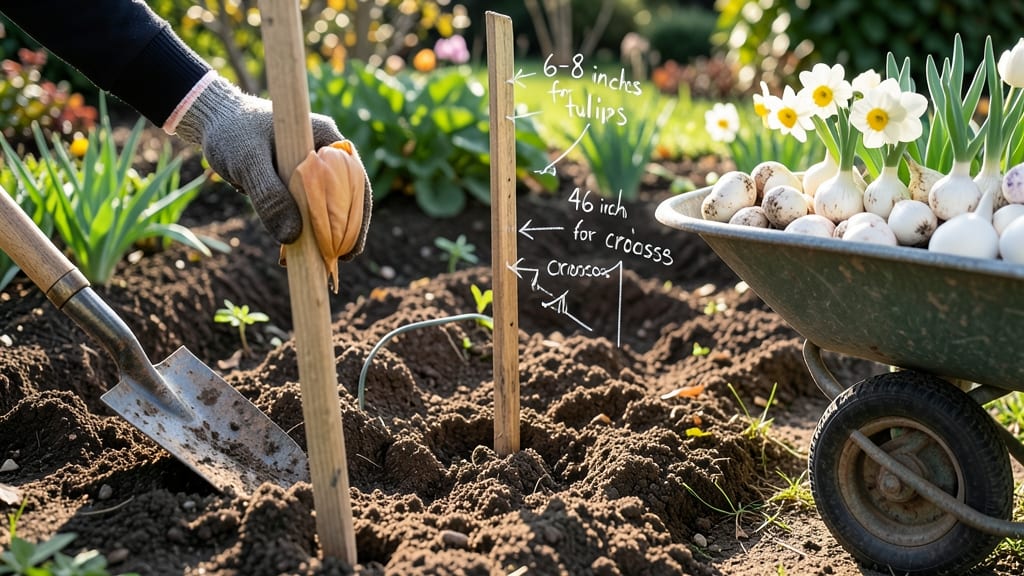
Planting bulbs in the ground at the wrong time can mean the difference between a garden bursting with 🌷 Spring Flowering Bulbs like tulips and daffodils and a sad, wasted investment.
The key to success isn't just when you plant—it's understanding how your local climate and USDA zone shape that perfect window.
For most gardeners in Zone 6a, the ideal time falls between September and November, giving bulbs 6-8 weeks to establish roots before winter sets in. But what if you're in a warmer zone or face unpredictable frost?
That's where the real strategy comes in—adjusting your schedule based on soil temperature and regional quirks.
In this guide, I'll break down the exact months for your zone, plus how to tweak timing for early frosts or late winters. You'll discover which bulbs thrive in your area and how to protect them from common pitfalls, so you can enjoy vibrant blooms every spring without the guesswork.
Whether you're a seasoned gardener or just starting, mastering the timing will transform your bulb planting from a gamble into a guaranteed success. Let's get those roots growing right—your future garden will thank you!
Best planting months for bulbs by USDA Hardiness zones
Planting bulbs at the right time ensures they establish strong roots before winter or summer dormancy. Most bulbs—like tulips, daffodils, and hyacinths—thrive when planted in fall, while others, like calla lilies or gladiolus, prefer spring or summer.
Your USDA hardiness zone determines the exact window, but generally, aim for 6-8 weeks before the ground freezes for fall planting.
For Zone 3-5 (cold climates), plant bulbs in September or early October to give roots time to harden before winter. In Zone 6-8 (moderate climates), extend planting to October or November.
Gardeners in Zone 9-10 (mild winters) can plant as late as December, but avoid soggy soil to prevent rot.
Spring-flowering bulbs like tulips and crocuses need cold stratification to bloom, so fall planting is critical. Summer bulbs, such as dahlias or canas, should go in spring after the last frost to avoid winter damage.
🌱 Summary Table: Bulb Planting by Zone
| Zone | Fall Planting (Fall Bulbs) | Spring Planting (Summer Bulbs) | Key Tip |
|---|---|---|---|
| 3-5 | September-October | April-May | Plant early; mulch after frost. |
| 6-8 | October-November | March-April | Avoid planting after first frost. |
| 9-10 | December (or next fall) | February-March | Use shade cloth in summer heat. |
Soil temperature is just as important as calendar dates. Use a soil thermometer to confirm 60°F or cooler before planting fall bulbs. In Zone 7-8, where winters are mild, bulbs may sprout too early, so plant deeper (8-10 inches) or use shade cloth to delay growth.
For high-altitude gardens (e.g., Colorado, Utah), plant bulbs 4-6 weeks earlier than your zone suggests, as frost arrives sooner. Coastal areas with milder winters (e.g., California, Oregon) can extend planting into late November, but watch for rainfall, which can cause rot.
If you miss the fall window, don’t panic! Many bulbs, like daffodils or alliums, can handle late planting as long as the ground isn’t frozen. Just add extra mulch (3-4 inches) to insulate them.
For spring planting, focus on summer bulbs like dahlias or canna lilies, which thrive in warm soil.
Pro tip: Mark your planting dates on a calendar and set reminders. I always plant tulips in October and dahlias in May—this routine ensures I never forget! Use biodegradable markers or a garden journal to track varieties and bloom times.
Remember, bulb size matters. Larger bulbs (like 12-inch tulips) need deeper planting (6-8 inches), while small bulbs (like crocuses) only need 2-3 inches of soil. Follow the "two-times-the-height" rule for most varieties.
Finally, don’t overcrowd bulbs—space them 3-6 inches apart depending on the type. Overcrowding leads to smaller blooms and weaker stems. After planting, water deeply to settle the soil and encourage root growth.
With the right timing and a little preparation, your bulbs will reward you with vibrant blooms for years to come. Happy planting! 🌷
Best planting months for bulbs by USDA Hardiness zones
Understanding your USDA Hardiness Zone is the first step to planting bulbs successfully. Most spring-flowering bulbs like tulips and daffodils need 6-8 weeks before the ground freezes to establish roots.
For example, in Zone 6a, aim for September through November, while warmer Zone 10 can plant until January. Summer-flowering bulbs, like dahlias, have different timelines—plant them after the last frost in spring.
Soil temperature is just as critical as the calendar. Bulbs need 60°F soil to start growing, but below 50°F can stunt root development. Use a soil thermometer to check—plant when temps consistently stay above 50°F at a 4-inch depth.
In colder zones, this might mean waiting until late fall, while warmer zones can plant earlier.
| Zone | Ideal Planting Window | Soil Temp Goal | Bulb Examples |
|---|---|---|---|
| Zones 3-5 | September-October | 50-60°F | Tulips, Hyacinths |
| Zones 6-8 | October-November | 55-65°F | Daffodils, Crocuses |
| Zones 9-10 | November-January | 60-70°F | Lilies, Alliums |
Regional variations matter, too. Coastal areas with mild winters (like Zone 7b in California) can plant tulips in December, while inland zones may need to plant by late October.
High-altitude gardens (Zone 5 at 5,000 ft) often have earlier frosts, so plant 2-3 weeks earlier than coastal zones. Check your local frost dates—the USDA Plant Hardiness Zone Map is a great resource.
Don’t forget summer-flowering bulbs, which follow a different schedule. Plant dahlias and cannas after the last frost in spring (typically April-May in most zones) and dig them up before frost in fall. These bulbs need warmth to thrive, so they’re not suited for early planting like their spring counterparts.
Pro tip: Mark your planting dates on a garden calendar and set reminders. Some bulbs, like snowdrops, can handle early fall planting, while others, like gladiolus, need warm soil to sprout. Adjust based on your microclimate—shady spots may need 2-3 weeks later than sunny areas.
If you’re unsure about your zone, use the USDA Zone Finder tool or ask your local cooperative extension office. They can provide hyper-local advice tailored to your soil type and weather patterns.
With the right timing, your bulbs will reward you with bold, reliable blooms for years to come! ☀️