
Plants
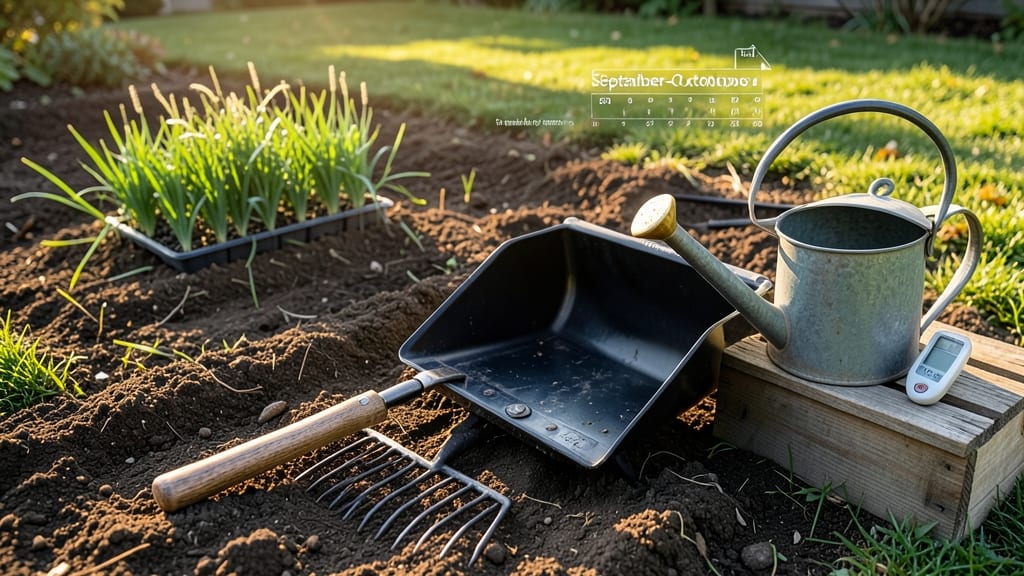
Planting grass seed in the fall isn't just a seasonal task—it's the smartest move for a lawn that thrives year-round. When you time it right, your grass gets a head start on root growth before winter, giving you a stronger, greener yard by spring.
But figuring out the perfect window can feel overwhelming, especially with regional differences and unpredictable weather.
For most of the U.S., including USDA Zone 6a, the ideal time to plant grass seed is 4-6 weeks before your first frost—typically late August through early October.
This timing lets the grass establish deep roots while taking advantage of cooler temperatures and consistent rainfall, which are perfect for germination. Missing this window? You might end up with weak growth or wasted seed.
What makes fall planting so effective? Cool-season grasses, like Kentucky bluegrass and fescue, grow faster and stronger in these conditions, while weeds struggle to compete. Plus, fewer pests and less stress from heat mean your grass seed stands a better chance of success.
Let’s break down exactly how to nail your planting schedule, no matter where you live.
Whether you're a first-time gardener or a seasoned lawn enthusiast, getting the timing right is the key to a thicker, healthier lawn next spring. I’ll walk you through the steps—from soil prep to post-planting care—so you can avoid common mistakes and set your lawn up for long-term success.
Ideal fall planting windows by region: when cool-season grass seed thrives
Planting grass seed in the fall gives your lawn a head start before winter, but timing varies dramatically by region. Cool-season grasses like tall fescue and Kentucky bluegrass thrive when soil temperatures hover between 60°F and 75°F—ideal for most fall windows.
In northern climates, aim for late August to early October, while southern regions can plant as late as November before frost risks increase.
The key is planting 4-6 weeks before your first frost date. This window ensures seeds germinate, establish roots, and harden off before winter dormancy. Check your USDA hardiness zone—zones 3-5 should plant earlier, while zones 7-9 have more flexibility.
For example, in Zone 5, late September is perfect, but in Zone 8, October or even early November works.
Here’s how to adjust for your region:
| Region | USDA Zones | Ideal Planting Window | Soil Temp Threshold | Frost Risk |
|---|---|---|---|---|
| Northern (Cold Climates) | 3-5 | Late August - Early October | 60°F - 70°F | High (early frost) |
| Mid-Atlantic (Temperate) | 6-7 | Mid-September - Mid-October | 65°F - 75°F | Moderate |
| Southern (Mild Winters) | 8-9 | October - Early November | 70°F - 80°F | Low (late frost) |
| Mountainous (High Altitude) | 4-6 | Early September - Late September | 55°F - 65°F | Very High |
If you’re unsure about your frost date, check the National Weather Service or local agricultural extension office. For example, in Chicago (Zone 5), planting in late September ensures seeds germinate before a mid-October frost.
Meanwhile, in Atlanta (Zone 7b), early November is still safe for germination before winter sets in.
Watch for soil temperature trends, not just air temperature. Use a soil thermometer to confirm conditions—ideal germination occurs when soil stays above 55°F for at least 5-7 days. If nights dip below 40°F, cover seeds with straw mulch to protect them until roots establish.
Pro tip: Late fall plantings (November) can still work in mild climates, but growth slows dramatically. If you miss the ideal window, wait until early spring—planting in March or April avoids summer heat stress but may struggle with weed competition.
Regardless of your region, always choose cool-season grass seed like tall fescue or ryegrass for fall plantings. These varieties thrive in cooler temperatures and establish roots before winter dormancy, giving you a thicker, greener lawn next spring.
Timing is everything—plant too early, and weeds take over; too late, and frost halts germination. But with the right window, your lawn will reward you with deep roots and year-round resilience.
How to prepare your lawn for fall grass seed success: soil, weather, and pre-planting checks
Preparing your lawn for fall grass seed planting is the secret weapon behind a thick, lush lawn by spring. Skipping this step means weaker roots, patchy growth, and wasted seed.
The best time to start is 4-6 weeks before planting, when soil temperatures drop below 80°F but stay above 50°F—ideal for germination without stressing your new grass.
First, check your soil pH using a test kit (available at garden centers). Most cool-season grasses thrive in pH 6.0-7.0. If your soil is too acidic, add lime; if alkaline, mix in sulfur or peat moss.
This adjustment takes 4-6 weeks, so don’t wait until the last minute.
Next, clear the area of weeds and debris. Use a broadleaf herbicide (like 2,4-D) 2-3 weeks before planting to kill weeds without harming the grass seed.
For stubborn weeds, hand-pull them after a light rain when the soil is soft. A clean slate ensures your grass seed gets the nutrients it needs.
✅ Fall Lawn Prep Checklist
- ☑️ Test soil pH (aim for 6.0-7.0)
- ☑️ Remove weeds with herbicide or hand-pulling
- ☑️ Aerate compacted soil (rent a core aerator or use a garden fork)
- ☑️ Loosen top 2-3 inches of soil with a rake or tiller
- ☑️ Choose the right seed (cool-season types like fescue or bluegrass)
- ☑️ Check weather forecasts for 7-10 days of rain or plan irrigation
Don’t overlook aeration, especially if your lawn has compacted soil. Rent a core aerator or use a garden fork to poke holes 3-4 inches deep, spaced 3-4 inches apart.
This lets roots penetrate deeper and improves water absorption. After aerating, rake the soil lightly to create a fine, crumbly texture—like a well-prepared garden bed.
Selecting the right grass seed is just as critical as timing. Cool-season grasses like tall fescue, Kentucky bluegrass, and perennial ryegrass are ideal for fall planting.
If you’re unsure which to choose, check your local cooperative extension service for region-specific recommendations. Mixing seed types can also improve resilience against pests and diseases.
Finally, monitor the weather forecast for the week leading up to planting. Aim for consistent moisture—either natural rainfall or your watering schedule. If a dry spell is predicted, set up a light irrigation system (like sprinklers) to keep the soil evenly moist.
Overwatering can wash away seed, while underwatering leads to poor germination.
With these prep steps complete, your lawn will be ready for planting by the ideal fall window. The key is patience—rushing through prep often leads to disappointment. Take the time now, and you’ll reap the rewards with a vibrant, healthy lawn next spring. 🌱