
Plants
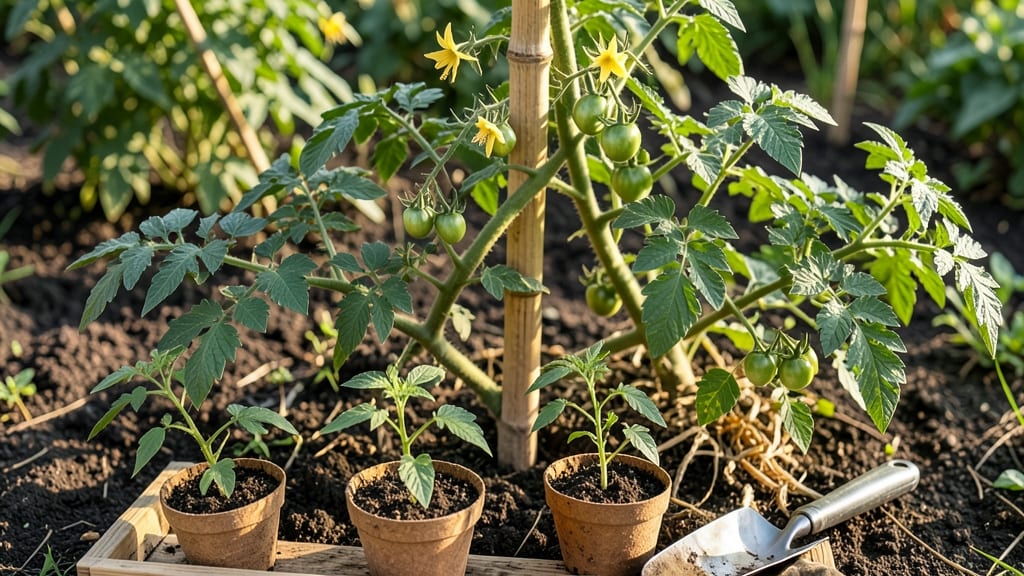
Planting tomatoes in Florida at the wrong time can turn your lush 🍅 vines into sad, bolted stalks before they even bear fruit.
Unlike northern states, Florida’s frost-free zones and year-round growing season mean timing isn’t just about avoiding frost—it’s about nailing soil temperatures and avoiding the brutal summer heat that stunts growth.
Most gardeners assume "spring" is the only window, but Florida’s subtropical climate lets you plant tomatoes almost any month—with the right strategy. The key? Waiting until soil reaches 60°F for seedlings and avoiding transplanting when temperatures creep above 90°F, which triggers bolting (when plants flower prematurely).
I’ve grown tomatoes in Florida’s 8a-11 zones for years, and the difference between a bountiful harvest and a disappointing one often comes down to these exact soil temp rules.
Whether you’re in North Florida’s cooler pockets or the Keys’ tropical heat, I’ll break down the best months, heat-tolerant varieties, and how to stretch your harvest for months.
Ready to skip the guesswork? Let’s dive into the exact planting schedule—plus common mistakes that even experienced Florida gardeners make. Your tomato game will never be the same.
Florida tomato planting calendar: exact soil temps to avoid bolting
Florida’s tomato planting success hinges on soil temperatures, not just calendar dates. Unlike northern states, Florida’s microclimates create shifting windows—North Florida’s USDA Zone 8a differs drastically from the tropical Zone 11 of the Keys.
The magic number? 60°F soil temps for transplanting, but 50°F–60°F for germination. Plant too early, and your seedlings bolt (flower prematurely) from heat stress.
Here’s the golden rule: Wait until nighttime temps stay above 55°F consistently. In North Florida, this means March–April for spring plantings, while South Florida gardeners can start as early as January–February. The fall window (August–September) is equally critical—avoid late-summer heat spikes that trigger bolting before fruiting.
Florida’s frost-free growing season is year-round, but heat tolerance varies by variety. Heat-lovers like ‘Solar Fire’ or ‘Heatmaster’ thrive in summer, while ‘Celebrity’ or ‘Roma’ prefer cooler spring/fall temps. Your planting window should align with both soil warmth and variety tolerance.
| Region | Best Planting Window | Soil Temp Threshold | Heat Tolerance Tip |
|---|---|---|---|
| North Florida (Zone 8a) | March–April (spring) / August–September (fall) | 60°F+ (wait for nighttime 55°F+) | Use row covers for 2–3 weeks post-transplant to protect from late frosts. |
| Central Florida (Zone 9a) | January–February (spring) / August (fall) | 62°F+ (soil) / 58°F+ (air) | Stagger plantings every 2 weeks for continuous harvest. |
| South Florida (Zone 10a–11) | Year-round (avoid peak summer: June–July) | 65°F+ (minimum for germination) | Choose heat-tolerant varieties like ‘Solar Fire’ for summer plantings. |
For container gardening, soil warms faster—ideal for South Florida’s USDA Zone 11. Start seeds indoors in January and transplant when soil hits 65°F. North Florida’s Zone 8a gardeners should wait until mid-April to avoid early heat stress, which causes blossoms to drop.
Florida’s humidity and intense sunlight demand extra care. After transplanting, mulch heavily to retain moisture and prune suckers aggressively to focus energy on fruit production. Drip irrigation in the morning prevents fungal diseases like early blight, which thrives in Florida’s damp air.
Don’t let Florida’s long growing season fool you—succession planting is key. Plant heat-tolerant varieties in late summer (August) for a fall harvest, then repeat in January for spring. This strategy lets you harvest tomatoes year-round without overlapping bolting risks.
If you’re new to Florida gardening, seed-starting indoors gives you a head start. Begin seeds 6–8 weeks before your target transplant date (e.g., January for spring, June for fall). Use grow lights to supplement Florida’s short winter daylight and ensure strong seedlings.
Remember: Florida’s heat tolerance isn’t just about the plant—it’s about your soil prep. Amend beds with compost and aged manure to improve drainage, and avoid fresh nitrogen, which burns roots in 90°F+ soil. A balanced fertilizer (5-10-10) applied at transplanting sets the stage for vigorous growth.
Finally, monitor your plants daily for signs of heat stress: curled leaves, yellowing, or blossom drop. If you see these, provide afternoon shade with shade cloth (30–50%) and increase watering frequency.
With the right soil temps and variety choices, you’ll avoid bolting and enjoy tomatoes from spring to fall.
3 Critical mistakes that make Florida gardeners plant tomatoes too early
Planting tomatoes too early in Florida is a common mistake that leads to stunted growth, blossom drop, or even plant death. Unlike northern states, Florida’s year-round growing season means timing isn’t just about frost—it’s about soil temperatures and heat tolerance.
Here are the top 3 mistakes I see Florida gardeners make and how to avoid them.
First, many gardeners ignore soil temperature thresholds. Tomatoes need soil that’s at least 60°F for germination and 65°F+ for healthy growth. If you plant too early, seeds may rot or seedlings will struggle.
I’ve seen this happen in North Florida when gardeners rush to plant in January without checking soil temps.
Another mistake is misreading seed packets. Some packets suggest planting dates that work for cooler climates, not Florida’s heat. For example, a packet might say “plant after last frost,” but Florida has no frost in most areas. Instead, focus on heat tolerance and soil warmth.
Finally, gardeners often overlook local microclimates. South Florida’s Zone 11 can handle tomatoes year-round, while North Florida’s Zone 8a needs staggered plantings to avoid summer heat stress. Without adjusting for these differences, you risk bolting (premature flowering) or poor fruit set.
⚠️ Callout Warning: Don’t Plant Before Soil Hits 60°F!
Planting too early when soil is below 60°F causes seeds to rot or seedlings to weaken. Actionable fix: Use a soil thermometer (costs ~$10) to check temps before planting. For North Florida, aim for March-April for spring plantings.
✅ Pro Tip: If you must plant early, use row covers for 2–3 weeks to protect seedlings from cool nights and windburn.
To avoid these mistakes, always test soil temperature and adjust planting dates based on your USDA zone.
For example, in Central Florida (Zone 9), I plant my first tomatoes in February, while in South Florida (Zone 11), I can plant year-round with heat-tolerant varieties like ‘Solar Fire’ or ‘Heatmaster.’
Remember, Florida’s humidity and heat can also stress young plants. If you plant too early, your tomatoes may wilt or develop blossom end rot from inconsistent watering. Always water deeply in the morning and mulch to retain moisture and regulate soil temperature.
By avoiding these common mistakes, you’ll give your tomato plants the best start for a bountiful harvest. Next, we’ll cover how to stagger plantings for a continuous supply of tomatoes all year long! 🌱