
Plants
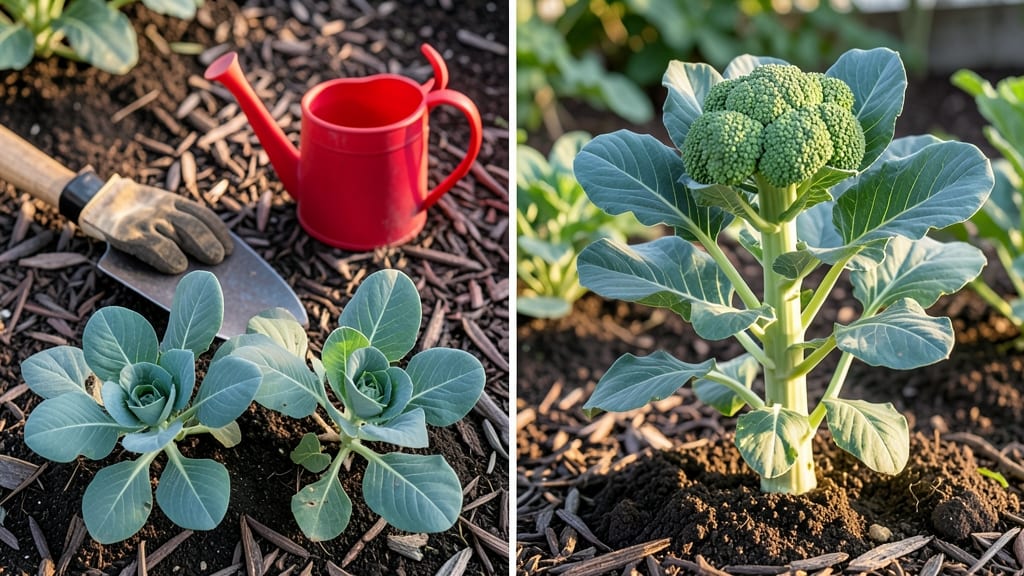
Planting broccoli 🥦 in North Florida at the wrong time means watching your hard work turn into bitter, bolted greens instead of tender florets.
The key to success lies in precise timing—fall and spring windows where temperatures stay mild enough to prevent stress, but not so late that pests or heat ruin your crop.
Most gardeners in zones 8a-9a focus on two critical planting periods: late summer for fall harvests and early spring for spring crops. But getting those dates wrong can mean the difference between a bumper crop and a wasted season.
I’ll show you exactly when to start seeds indoors or transplant seedlings to maximize your yield while avoiding common Florida pitfalls like heat stress or cabbage worms.
What makes North Florida’s climate tricky is the long, humid summers that push broccoli into bolting mode. The solution? Strategic planting schedules that align with temperature shifts and regional microclimates—whether you’re near the coast or inland.
Let’s break down the science-backed windows that work here, so you can enjoy fresh, homegrown broccoli from October through May.
You’ll also discover how to adjust for local conditions, like using shade cloth to extend the season or choosing heat-tolerant varieties that thrive in Florida’s heat. With these exact start dates and pro tips, you’ll skip the guesswork and grow broccoli like a local—no more wasted seeds or frustrated gardeners!
North Florida broccoli planting calendar: exact start dates by season
North Florida’s USDA zones 8a-9a create a unique challenge for broccoli growers—heat and humidity can cause plants to bolt prematurely if planted at the wrong time. The key is strategic timing to align with cooler seasons when broccoli thrives.
For fall crops, aim to plant 4-6 weeks before your first frost (typically mid-December), while spring plantings should happen 2-3 months before your last frost (around mid-February).
Broccoli is a cool-season crop, meaning it prefers temperatures between 60°F-70°F for optimal growth. In North Florida, this translates to August-September for fall plantings and February-March for spring.
Planting outside these windows risks heat stress or bolting, where the plant focuses on flowering instead of producing edible heads. Let’s break down the exact start dates and methods for each season.
📅 North Florida Broccoli Planting Calendar
| Season | Planting Window | Method | Ideal Soil Temp | Harvest Window |
|---|---|---|---|---|
| Fall | August 15 - September 15 | Direct sow or transplant | 60°F-75°F | October - November |
| Winter | October (succession) | Direct sow only | 55°F-65°F | December - January |
| Spring | February 1 - March 15 | Transplant only | 60°F-70°F | April - May |
⚠️ Note: Avoid planting broccoli in summer months (June-July) due to extreme heat and humidity, which causes bolting.
For fall plantings, start seeds indoors 6-8 weeks before your target outdoor date (around mid-July) or buy healthy transplants from a local nursery. Direct sowing outdoors is also effective if you’re planting between August 15 and September 15.
The goal is to have mature plants ready to harvest before temperatures drop below 50°F, which can stunt growth.
If you’re aiming for a spring harvest, transplant 4-6 week old seedlings into your garden between February 1 and March 15. Spring plantings benefit from North Florida’s warming soil, but avoid transplanting too early—soil temperatures below 55°F can delay germination and lead to poor root development.
Use a soil thermometer to monitor conditions; ideal soil temps for transplanting are between 60°F-70°F.
Succession planting is another smart strategy for North Florida growers. After your initial fall planting, sow a second batch in early October for a winter harvest. This works because North Florida’s cooler winter temps (especially in inland areas) create ideal conditions for broccoli.
Just be prepared to protect young plants from light frosts with row covers or mulch.
One common mistake in North Florida is overestimating the heat tolerance of broccoli varieties. While some modern hybrids like 'De Cicco' or 'Belstar' handle heat better than older varieties, they still struggle when daytime temps exceed 85°F.
To extend your growing season, consider using shade cloth (30-50%) during peak summer months or planting in partial shade near taller plants or structures.
Finally, always harden off seedlings before transplanting, especially if you’re moving them from a protected indoor environment to your garden. Hardening off takes 7-10 days and involves gradually exposing seedlings to outdoor conditions (sun, wind, and temperature fluctuations) to reduce transplant shock.
This step is critical in North Florida’s humid, unpredictable climate.
By following these exact planting windows and soil temperature guidelines, you’ll avoid the #1 mistake of North Florida broccoli growers—planting too late and ending up with bitter, bolted plants. With the right timing, you’ll enjoy crisp, flavorful heads twice a year, even in the heat! 🥦
How to adjust planting dates for North Florida’s microclimates
North Florida’s climate isn’t uniform—coastal areas like Jacksonville experience milder winters and higher humidity, while inland zones near Gainesville face sharper temperature swings. These microclimate differences can shift your broccoli planting window by 2-4 weeks, so knowing your zone is critical.
For example, coastal regions can start fall transplants in early August, while inland areas should wait until mid-August to avoid heat stress.
Soil temperature is another game-changer. Broccoli seeds need soil temps below 75°F to germinate properly. Use a soil thermometer to check—if readings hit 80°F+, delay planting until nighttime temps drop. In North Florida, this often means waiting until late August for fall crops or early March for spring.
🌱 Pro Tip: Extend your growing season with shade cloth (30-50%) during peak summer heat. This can push your fall planting window into early September while preventing bolting. Just remove the cloth by mid-October to allow full sun for head formation.
⚠️ Heat Stress Warning
Watch for these symptoms: Yellowing leaves, stunted growth, or premature flowering (bolting) mean your broccoli is overheated. Act fast: Move pots to shade immediately or thin seedlings to reduce competition. Coastal areas hit 90°F+ earlier—adjust planting dates 1-2 weeks later than inland zones.
Inland growers should also account for frost risks. While coastal Florida rarely dips below 35°F, inland areas can see light frosts in December. Protect your late fall crops with row covers or move containers indoors if temps drop below 40°F.
This extends your harvest window by 3-4 weeks compared to unprotected plants.
For spring planting, coastal gardeners can start seeds indoors by mid-January, while inland growers should wait until February 1st. The key is aligning your transplant date with soil warming trends—aim for 60°F+ soil temps before setting out seedlings.
Use black plastic mulch to warm soil faster in cooler inland areas.
💧 Watering Hack: Inland microclimates dry out faster. Use drip irrigation on a timer (early morning) to maintain 1-2 inches of water weekly. Coastal areas with high humidity may need less frequent watering but still require consistent moisture during head formation.
Finally, monitor your local USDA zone variations. Zone 8a (coastal) has a 30-day longer growing season than Zone 9a (inland). Adjust your planting calendar accordingly—coastal gardeners can squeeze in two broccoli crops per year, while inland growers typically manage one fall crop unless using season-extending tools.