
Plants
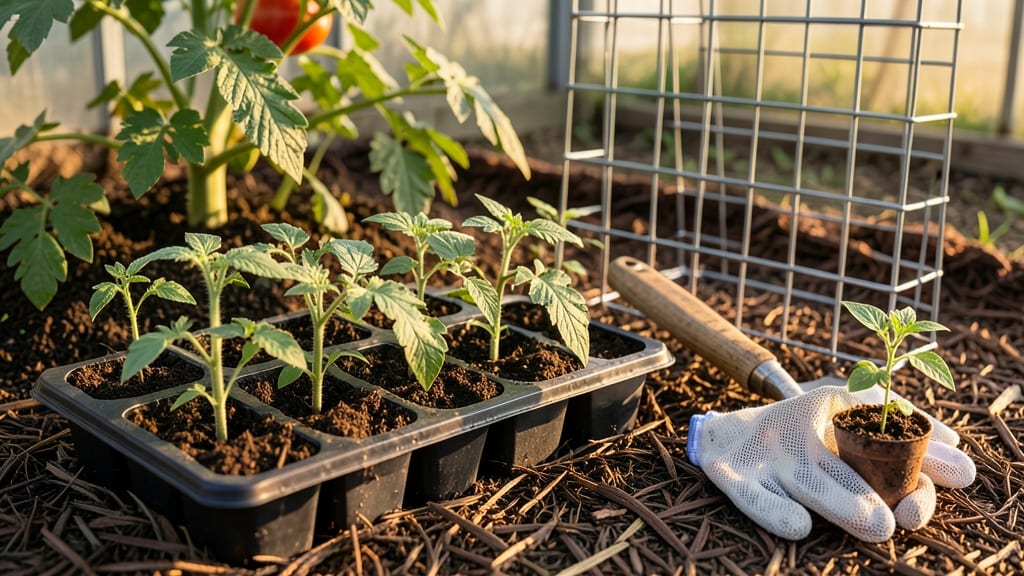
Planting tomatoes in Ohio isn’t just about grabbing seeds and sticking them in the ground—timing is everything, and getting it wrong can mean the difference between a bountiful harvest of juicy 🍅 and a sad, frost-nipped failure.
With Ohio’s 6a/6b climate, last-frost dates can shift from mid-April in southern regions to early May in the north, leaving gardeners stuck between "too soon" and "too late."
I’ve learned the hard way that even a single late frost can wipe out weeks of progress, so knowing your microclimate’s patterns is the key to success.
In this guide, I’ll break down the exact windows for planting—whether you’re starting seeds indoors or transplanting seedlings—and share backup strategies to protect your plants from Ohio’s unpredictable spring surprises.
You’ll discover how to check your local frost dates, which tomato varieties thrive in short seasons, and even how to extend your growing window with simple (and affordable) tools. Let’s get those tomatoes in the ground the right way!
Ohio’s last-frost dates by region: when to plant tomatoes safely
Ohio’s last-frost dates vary dramatically—sometimes by weeks—between its southern and northern regions. For tomatoes, which cannot tolerate frost, timing is everything.
In southern Ohio (e.g., Cincinnati, Lexington), the average last frost falls around April 15, while northern Ohio (e.g., Cleveland, Toledo) often waits until May 1 or later.
These dates aren’t set in stone, though. Historical data shows frost can linger past these averages—especially in microclimates like valleys or near large bodies of water. Always check the USDA Plant Hardiness Zone Map (Ohio spans Zone 5b to 6b) and local weather forecasts for real-time updates.
To verify your local frost date, use resources like the National Oceanic and Atmospheric Administration (NOAA) or your local cooperative extension office. For example, Columbus (central Ohio) averages its last frost on April 22, but 2022 saw frost as late as May 5.
Planning for late frosts is just as critical as tracking the average.
Here’s a region-by-region breakdown of Ohio’s last-frost dates, including safe planting windows for tomatoes and key risk factors to watch for:
| Region | Average Last Frost | Safe Planting Window | Risk Factors | Soil Temp Threshold |
|---|---|---|---|---|
| Southern Ohio (e.g., Cincinnati, Dayton) | April 15 | April 20–May 1 | Late frosts in valleys | 60°F+ |
| Central Ohio (e.g., Columbus, Mansfield) | April 22 | April 25–May 5 | Unpredictable swings | 60°F+ |
| Northern Ohio (e.g., Cleveland, Toledo) | May 1 | May 5–May 15 | Lake-effect delays | 60°F+ |
Beyond frost dates, soil temperature is your second critical marker. Tomatoes won’t germinate well in soil colder than 60°F. Use a soil thermometer to confirm readiness—especially in northern Ohio, where cooler springs delay planting.
If your soil isn’t warm enough by the average last frost, consider starting seeds indoors 6–8 weeks earlier for a head start.
Another pro tip: Monitor nighttime temperatures. Tomatoes thrive when nights stay above 50°F. If frost warnings pop up after planting, act fast with row covers or cloche protection.
In my garden, I’ve lost entire seedling batches to a late-April frost—a painful lesson that taught me to always have a backup plan.
For container gardening, timing shifts slightly. Potted tomatoes can be moved outside 2–3 weeks earlier than in-ground plants because containers warm up faster. However, they’re also more vulnerable to temperature swings, so keep them near a sunny wall or under row covers at night.
Finally, don’t overlook microclimates in your area. A south-facing slope might warm up 1–2 weeks earlier than a shady valley. Observe your yard’s patterns for a few years to refine your planting schedule.
Over time, you’ll spot trends—like how my backyard’s low spot always gets frost 5–7 days later than the front yard.
With these regional guidelines and local adjustments, you’ll avoid the heartbreak of frost-nipped tomato plants. Next, we’ll cover 5 backup strategies to shield your seedlings from late frosts—because even the best-laid plans need a safety net.
5 Backup strategies to protect your tomato plants from late frost
Ohio’s last frost can sneak up even after your tomato seedlings are in the ground. I’ve learned the hard way that waiting for the "official" last-frost date isn’t always enough—especially in Northern Ohio where surprises happen.
The key is having a multi-layered protection plan to extend your growing season without sacrificing your plants.
Start by hardening off your seedlings properly. This means exposing them to outdoor conditions gradually over 7-10 days before planting. Begin with 2-3 hours of sunlight and increase daily.
Use a shade cloth on sunny days to mimic natural stress without shock. This toughens their stems and leaves, making them more resilient to unexpected cold snaps.
Here’s where things get practical: I’ve tested these five backup strategies in my garden, and they’ve saved my tomato plants more times than I can count.
Low-cost, DIY-friendly. Use clear plastic or glass lids to trap heat. Works for 3-4 weeks after last frost.
Lightweight fabric that raises temps by 5-8°F. Secure edges with bricks or soil to prevent wind damage.
Individual plant covers (glass or plastic) for critical first 2 weeks. Remove during the day for pollination.
Warms soil by 3-5°F and speeds up germination. Lay it down 2 weeks before planting.
Start seeds 6-8 weeks before last frost indoors. Use grow lights if natural light is limited.
My favorite combo? Row covers during the day paired with black plastic mulch underneath. The mulch keeps roots warm, while the covers protect tender foliage. For high-value varieties, I’ve even used DIY cold frames made from wooden boxes and plexiglass—costs under $20 and lasts for years.
Pro tip: Always monitor your local weather forecasts and have a 24-hour emergency plan. If frost is predicted, cover plants before sunset and remove covers afternoon of the next day to prevent overheating. Your tomatoes will thank you with earlier harvests and healthier plants.
Remember, even the most experienced gardeners in Southern Ohio face late frosts. The difference? We’re prepared. Start with one or two of these strategies this year, and you’ll be harvesting juicy tomatoes weeks ahead of your neighbors. 🌱